
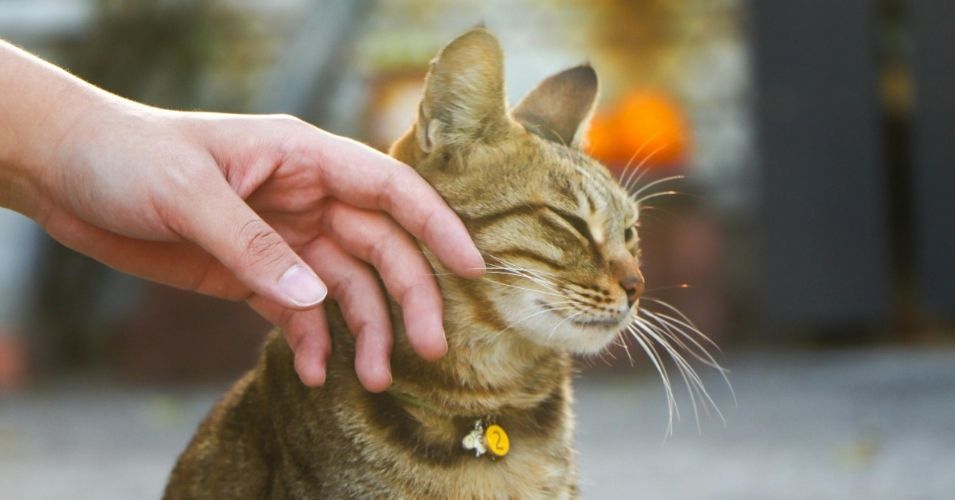
Cats have a funny way of showing affection. Some race to the door when you walk in, while others quietly curl up beside you and stay there for hours. Their love is often softer and harder to notice than a dog’s excitement, which is why many cat owners wonder if their pet truly feels attached to them.
The truth is that cats form deep emotional bonds with the people they trust. They may not always show it in loud or obvious ways, but their daily habits often reveal how much they care. Once you learn what those signs look like, you begin to notice loving behavior in moments that once seemed ordinary.
A gentle blink across the room can mean more than most people realize. A cat sleeping near your feet can also say a lot about how safe and loved they feel around you.
Slow Blinks Filled With Trust
One of the sweetest signs of feline affection happens quietly and lasts only a few seconds. Your cat may sit across the room, look directly at you, and slowly close both eyes before opening them again. Many cat owners call this a “cat kiss” because it often appears when a cat feels completely safe and relaxed.
Cats do not close their eyes around people they distrust. In the animal world, shutting your eyes even briefly can leave you vulnerable. When your cat gives you a slow blink, they are showing that they feel no need to stay guarded around you.
Some cats do this often during peaceful moments in the house. You may notice it while sitting on the couch, reading in bed, or talking softly to them from another room. The blink itself may seem tiny, but it carries a strong emotional message.
Many cats even wait for you to return the gesture. If you slowly blink back at them, they may respond with another relaxed blink or soften their entire posture. Their ears may loosen, their whiskers may relax, and they may settle down comfortably nearby.
This behavior becomes even more meaningful with shy or rescued cats. A nervous cat that once hid from people may slowly begin offering these quiet eye blinks after learning that your home is a safe place. It often marks the beginning of deep trust.
Some owners expect affection to look dramatic or playful, but cats often communicate love in calm and delicate ways. Slow blinking is one of the clearest examples of that gentle communication style.
Over time, these little exchanges can become part of your daily routine. Your cat may blink at you before dinner, while curled up on a chair, or after climbing into bed beside you. These repeated moments create a quiet emotional connection that feels comforting to both pet and owner.
A cat that slow blinks at you is not simply relaxed. They are showing that your presence brings them peace, security, and comfort inside their world.
Gentle Head Bumps And Face Rubs
Cats have scent glands around their cheeks, forehead, and chin, which is why they often rub those areas against people they love. When your cat presses their head against your hand or gently bumps your leg, they are doing far more than asking for attention. They are marking you as someone important to them.
This behavior is one of the strongest social signs cats display. In homes with multiple cats, bonded companions often rub against each other to share scent and strengthen familiarity. When your cat does this to you, they are treating you like part of their trusted circle.
Some cats greet their owners this way every single day. They may walk toward you with their tail raised high before pressing their forehead against your arm or face. Others rub along your ankles while you prepare food or move through the house.
The action may seem playful, but it is deeply affectionate. Cats rely heavily on scent to understand their environment, and sharing their scent with you creates a feeling of closeness and comfort.
You may also notice face rubbing during emotional moments. A cat that senses you are upset might rub against your hand repeatedly or stay close while nudging your shoulder. Many owners describe this behavior as surprisingly comforting because it feels intentional and warm.
Some especially loving cats will gently tap their forehead against yours. This soft movement, often called “head bunting,” usually happens only when a cat feels extremely safe around someone. It is a vulnerable and trusting action.
Face rubbing can also become part of your cat’s daily rituals. They may greet you with a head bump every morning or rub against you before settling down for a nap. Those repeated routines help strengthen the bond between you over time.
Not every cat shows affection loudly. Some rarely meow or demand cuddles, yet they constantly brush against the people they love. Those tiny touches often say more than dramatic behavior ever could.
When your cat rubs their face against you, they are not simply passing by. They are claiming you in the gentlest way possible and showing that you belong inside the safe and familiar world they treasure.
Quiet Moments Spent Close To You
Cats do not always show love through loud behavior or constant attention. In many cases, their strongest signs of affection appear during calm and ordinary parts of the day. A cat that chooses to stay close to you without asking for anything is often showing deep emotional comfort.
Some cats quietly follow their owners from room to room without making a sound. They may settle nearby while you cook dinner, work at a desk, or watch television late at night. Even if they are not sitting directly on your lap, their decision to remain near you speaks volumes.
Cats are naturally careful animals that prefer safe environments. Choosing to relax beside someone means they trust that person completely. They feel no need to stay alert or search for danger when they are close to you.
You may notice your cat sleeping near your feet, curling beside your pillow, or resting on the arm of the couch while you relax. Sleep is one of the most vulnerable states for an animal, which is why cats reserve these peaceful moments for places and people they trust deeply.
Some affectionate cats barely interact during busy hours but become especially attached during quiet evenings. They may hop onto the bed once the house settles down or sit silently beside you during calm mornings. Those peaceful routines often become some of the strongest bonding moments between cats and owners.
Cats also enjoy simply sharing space with the people they love. A cat stretched across the floor nearby may look uninterested at first glance, but their closeness is intentional. They could choose countless hiding spots around the house, yet they continue returning to your side.
This behavior becomes especially meaningful with independent cats. Some felines dislike being picked up or cuddled tightly, but they still show affection by remaining close throughout the day. Their version of love often feels subtle yet incredibly sincere.
Over time, these quiet habits create a comforting rhythm inside the home. Your cat learns your routines, waits for familiar moments, and finds comfort in your presence. Even silence can become a form of connection.
A cat that chooses to stay close during peaceful moments is showing that your company alone makes them feel safe, relaxed, and emotionally secure.
Little Habits That Show Deep Attachment
Some of the clearest signs of feline love appear in tiny daily routines that are easy to overlook. Cats often create small habits around the people they trust most, and these repeated actions slowly reveal how emotionally connected they feel.
A loving cat may greet you at the door every day without fail. Even if they seem sleepy moments earlier, they suddenly appear when they hear your footsteps or recognize the sound of your voice. That excitement shows they notice your presence and genuinely enjoy your return.
Other cats display affection through soft vocal sounds. Gentle chirps, quiet trills, and short meows are often ways cats communicate warmly with people they care about. These sounds usually feel different from demanding cries because they sound relaxed and conversational.
Some cats bring their favorite toys to their owners as a sign of trust. A toy dropped beside your chair may not seem important, but many cats treat it as a gift or invitation to connect. They want to include you in something that feels valuable to them.
You may also notice your cat exposing their belly while stretching nearby. Contrary to popular belief, this is not always an invitation for belly rubs. In many cases, it simply means your cat feels safe enough to reveal one of the most vulnerable parts of their body around you.
Affectionate cats also develop routines centered around their favorite person. They may wait outside the bathroom door, sit beside you during meals, or climb onto the couch at the exact same hour every evening. These repeated habits become part of the emotional structure of their day.
Some cats even mirror the mood of their owners. They stay close during stressful moments, become playful when you are energetic, or settle quietly when the house feels calm. That emotional awareness can make the bond between cat and owner feel surprisingly deep.
Every cat expresses love differently, which is why these little behaviors matter so much. One cat may constantly purr and cuddle, while another quietly follows you everywhere without demanding attention. Both are forms of attachment.
The longer you live with a cat, the easier it becomes to recognize these small signs. What first seemed random slowly begins to feel personal, intentional, and full of affection.
The Special Ways Cats Choose Their Favorite Person
Cats may love several people inside a home, but many eventually form an especially strong bond with one person in particular. That connection often develops slowly through trust, routine, and emotional comfort rather than loud excitement. Over time, their favorite person becomes the individual they seek out most often.
Some cats choose the person who feeds them daily, while others become attached to whoever offers the calmest energy. Cats are highly observant animals that notice tone of voice, body language, and predictable habits. They usually feel safest around people who make them feel relaxed and understood.
A cat’s favorite person often becomes their preferred sleeping companion. They may curl up beside that person every night or wait outside the bedroom door until they arrive. This choice carries emotional weight because cats reserve their most vulnerable moments for people they trust deeply.
Many cats also become more talkative around their chosen human. They greet them with soft meows, answer when spoken to, or follow them through the house while making tiny conversational sounds. These interactions create a relationship that feels personal and emotionally close.
Some affectionate cats display protective behavior toward their favorite person. They stay nearby when that person feels sick, upset, or tired. Even normally independent cats may become unusually attentive during difficult moments.
Body language also changes around a beloved human companion. A cat may lift their tail high, knead blankets nearby, purr more frequently, or stretch comfortably across that person’s lap. These relaxed actions show emotional safety and complete trust.
Interestingly, cats do not always choose the loudest or most playful person in the house. Many prefer individuals who respect their space and allow affection to happen naturally. Quiet patience often strengthens the bond more than constant attention.
Over months and years, these small preferences become obvious. Your cat begins waiting for you specifically, seeking you out during quiet hours, and relaxing most fully in your presence. Those patterns reveal a level of attachment that feels incredibly meaningful.
When a cat chooses you as their favorite person, the connection often feels calm, steady, and deeply genuine.
Final Thoughts
Cats express love in ways that can seem subtle at first, but their affection becomes easier to recognize once you understand their behavior. A slow blink, a gentle head bump, or a quiet nap beside you can carry enormous emotional meaning in the feline world.
Unlike some animals, cats rarely force affection. Their love usually appears through trust, comfort, and the desire to stay close to the people who make them feel safe.
Every cat has a unique personality, which means their signs of attachment may look slightly different from another cat’s behavior. Some are playful and vocal, while others show love through calm companionship and silent routines.
The most important thing to remember is that cats do form deep emotional bonds. When your cat chooses to share their space, habits, and peaceful moments with you, they are showing a kind of loyalty that is quiet but incredibly sincere.