
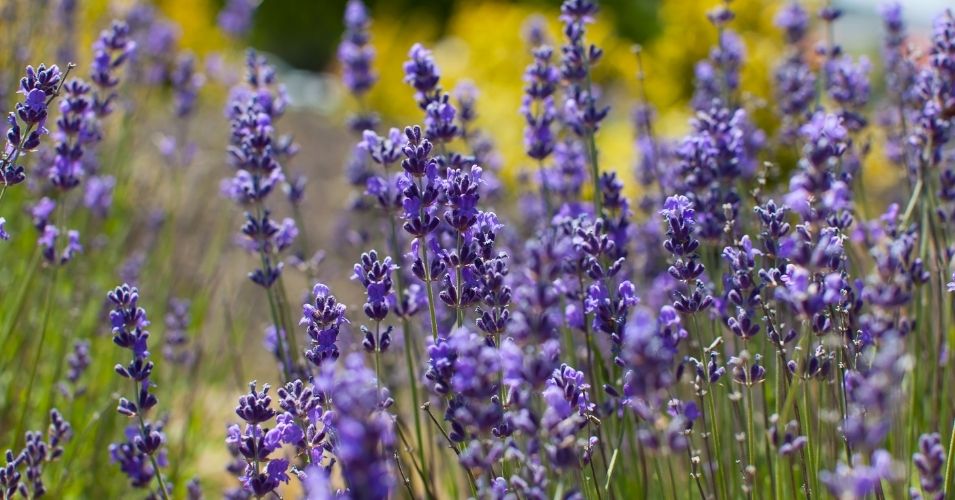
Lavender is one of the most popular plants in the garden, but it is not always the easiest to grow. Some varieties struggle in humid climates, others dislike heavy soil, and many gardeners become frustrated when plants fail to thrive after just a few seasons. The good news is that there are plenty of beautiful alternatives that can provide color, fragrance, texture, and pollinator appeal without the challenges lavender sometimes brings.
Whether you want a plant with aromatic foliage, long lasting flowers, or drought tolerance, there are many options worth considering. Some offer a similar appearance, while others bring completely different qualities that may suit your landscape even better. Exploring alternatives can help you create a garden that feels fresh, vibrant, and easier to maintain.
If lavender has disappointed you or you simply want something new, these plants deserve a closer look. Many of them attract bees and butterflies, flourish in sunny locations, and provide months of visual interest.
Russian Sage Creates A Lavender Like Display
If you love the soft purple look of lavender but struggle to keep it alive, Russian sage may be the answer. This hardy perennial produces airy spikes of lavender blue flowers that sway gracefully in the breeze. From a distance, many people mistake it for lavender because of its similar color palette and silvery foliage.
One of the biggest advantages of Russian sage is its toughness. Once established, it handles heat, drought, and poor soil with remarkable ease. It often thrives in locations where lavender struggles, especially in areas with heavier soil or fluctuating weather conditions.
The finely textured leaves create an elegant backdrop for neighboring flowers. Even before the blooms appear, the plant contributes beauty through its soft gray green foliage. When flowering begins, entire sections of the garden can take on a hazy purple glow that lasts for weeks.
Pollinators are especially fond of Russian sage. Bees frequently visit the flowers throughout the growing season, turning the plant into a lively gathering place for beneficial insects. Butterflies also appreciate the abundant nectar supply.
Another appealing feature is the plant’s size. Russian sage can reach several feet tall, making it useful for adding height to borders and mixed perennial beds. The tall stems bring movement and texture without appearing heavy or crowded.
Maintenance requirements are refreshingly simple. Most gardeners only need to cut the plant back in late winter or early spring before fresh growth emerges. Beyond that, Russian sage largely takes care of itself.
The flowers pair beautifully with ornamental grasses, coneflowers, black eyed Susans, and other sun loving perennials. Together they create a landscape that feels natural, colorful, and full of life.
For gardeners searching for the calming color of lavender without the same level of fuss, Russian sage offers a dependable and eye catching alternative. Its combination of resilience, long bloom time, and soft beauty makes it one of the best substitutes available.
Catmint Offers Color Without The Fuss
Catmint is often overlooked, yet it may be one of the most rewarding alternatives to lavender. This easygoing perennial produces waves of blue, purple, or violet flowers that brighten the garden for months. Its soft appearance creates the same relaxed cottage garden charm that many people seek when planting lavender.
One reason gardeners appreciate catmint is its adaptability. Unlike lavender, which can become particular about soil drainage and humidity, catmint tolerates a wider range of growing conditions. It performs well in many climates and often flourishes with minimal attention.
The fragrant foliage adds another layer of appeal. Brushing against the leaves releases a pleasant herbal scent that makes garden paths and seating areas more enjoyable. The gray green leaves also provide attractive texture throughout the season.
Blooming usually begins in late spring and can continue well into summer. After the first major flush of flowers, a quick trim often encourages another round of blooms. This extended display helps keep garden beds colorful for a much longer period.
Pollinators find catmint irresistible. Bees, butterflies, and other beneficial insects frequently gather around the flowers, creating constant movement in the landscape. This makes catmint a valuable addition for gardeners hoping to support local pollinator populations.
Its compact growth habit allows it to fit into many garden designs. Catmint works beautifully along walkways, near patios, or tucked between larger perennials. The gently spreading shape softens hard edges and blends seamlessly with surrounding plants.
Another advantage is its resistance to many common garden problems. Deer and rabbits often leave it alone, which can be a significant benefit in areas where browsing animals are a concern.
The relaxed nature of catmint is perhaps its greatest strength. It asks for very little while providing months of color and fragrance in return. For gardeners who admire lavender’s appearance but want a plant that is more forgiving, catmint offers an excellent combination of beauty, durability, and ease.
Fragrant Herbs Bring Beauty And Purpose
Lavender is often chosen for its fragrance, but it is far from the only herb capable of filling a garden with delightful scents. Several aromatic herbs offer beauty, usefulness, and reliable performance while bringing their own distinct character to the landscape. Many of these plants can be harvested for cooking, teas, or homemade crafts, making them valuable additions beyond their ornamental appeal.
Rosemary is one of the best alternatives for gardeners who enjoy fragrant foliage. Its evergreen needles release a rich scent whenever touched, and the plant’s tidy growth habit adds structure to beds and borders. In warm climates, rosemary can become a striking shrub that remains attractive throughout the year.
Sage offers another appealing option. The soft, textured leaves come in shades ranging from gray green to purple, creating visual interest even when flowers are absent. When blooming season arrives, spikes of colorful blossoms attract bees and other pollinators in impressive numbers.
For a softer appearance, thyme creates low growing mats that spread gently across sunny spaces. The tiny leaves carry a pleasant aroma, and the delicate flowers provide extra seasonal color. Thyme works particularly well along pathways where its fragrance can be enjoyed up close.
Lemon balm introduces a fresh citrus scent that feels bright and refreshing. The vibrant foliage stands out among traditional garden plants and can be harvested regularly for teas and culinary uses. Its cheerful appearance makes it a favorite in herb gardens and mixed borders alike.
One of the greatest advantages of fragrant herbs is their ability to engage multiple senses. They offer visual appeal through foliage and flowers while also filling the air with pleasant aromas. This combination creates a more immersive garden experience.
Many herbs are surprisingly drought tolerant once established. They often thrive in sunny locations and require relatively little maintenance compared to fussier ornamental plants. Their resilience makes them practical choices for gardeners seeking dependable performers.
By mixing several fragrant herbs together, you can create a garden space that feels vibrant, useful, and inviting. The result is a landscape that delivers far more than color alone while offering many of the qualities that make lavender so beloved.
Flowering Perennials Fill Beds With Charm
If your goal is to replace lavender’s colorful blooms, flowering perennials provide countless possibilities. These dependable plants return year after year, gradually creating fuller displays that bring lasting beauty to garden beds. Many offer extended bloom periods, ensuring the landscape remains lively throughout much of the growing season.
Salvia is one of the closest alternatives in appearance. Its upright flower spikes rise above attractive foliage and produce shades of blue, purple, pink, or red. The blossoms attract pollinators while delivering the vertical accents that many gardeners appreciate in lavender plantings.
Coneflowers bring a completely different shape but provide equally impressive visual impact. Their large daisy like blooms create bold splashes of color and continue flowering through much of summer. Birds often visit the seed heads later in the season, extending their value beyond the blooming period.
For a softer look, Russian anemones add graceful movement and delicate flowers that seem to float above the foliage. Their elegant appearance pairs beautifully with other perennials and creates a relaxed garden atmosphere.
Yarrow offers clusters of blooms in shades ranging from white and yellow to pink and red. Its fernlike foliage adds texture, while the flat flower heads provide a pleasing contrast to taller plants nearby. Yarrow is also known for tolerating heat and dry conditions.
Another excellent choice is bee balm, which produces unique blossoms that instantly attract attention. The colorful flowers draw hummingbirds, butterflies, and bees, creating a garden filled with activity and movement.
Flowering perennials also allow for greater creativity in design. Different heights, colors, and bloom shapes can be combined to produce layered displays that change throughout the season. This variety helps prevent the garden from feeling repetitive.
Many of these plants require only basic care once established. Occasional watering during dry periods and seasonal cleanup are often enough to keep them performing well. Their reliability makes them especially appealing for gardeners who prefer low maintenance landscapes.
By choosing a mix of flowering perennials, you can achieve the color, pollinator appeal, and seasonal beauty often associated with lavender while creating a garden that feels uniquely your own. The result is a display rich with personality, texture, and enduring charm.
Drought Tolerant Favorites Thrive In Tough Conditions
Not every garden receives regular rainfall, and not every gardener has time for frequent watering. Fortunately, many drought tolerant plants can provide beauty and resilience while serving as excellent alternatives to lavender. These dependable choices often flourish in hot, sunny locations where other plants struggle to survive.
Blanket flower is one standout option. Its bright red, orange, and yellow blooms bring cheerful color to the landscape for months. Once established, it tolerates dry conditions remarkably well and continues flowering even during challenging weather.
Another reliable performer is sedum, particularly the taller varieties. The thick, succulent leaves store moisture efficiently, allowing the plants to handle periods of drought with ease. Late season flower clusters add interest when many other plants begin to fade.
Agastache, sometimes called hummingbird mint, combines fragrance, colorful blooms, and impressive toughness. The flower spikes attract hummingbirds, butterflies, and bees while standing up well to heat and limited rainfall. Its long bloom period keeps gardens lively throughout much of the growing season.
For gardeners seeking bold texture, yucca offers a striking solution. The sword shaped foliage creates year round structure, while tall flower stalks add dramatic seasonal interest. Yucca thrives in difficult locations where many traditional ornamentals would fail.
Coreopsis is another excellent choice for dry gardens. Its bright flowers seem to glow in the sunlight and continue blooming through long stretches of summer. The plant asks for little in return and rewards gardeners with dependable color.
These drought tolerant selections do more than conserve water. They also reduce maintenance requirements, making it easier to maintain an attractive landscape during busy periods. Many continue looking healthy and vibrant even when rainfall becomes scarce.
Combining several drought resistant plants can create a garden that remains colorful despite heat and dry conditions. Different flower shapes, foliage textures, and bloom times work together to provide lasting visual appeal.
Lavender may be famous for thriving in sunny, dry environments, but it is far from the only option. These resilient plants prove that a water wise garden can still be filled with color, fragrance, pollinator activity, and year round interest.
Final Thoughts
Lavender has earned its popularity for good reason, but it is not the perfect plant for every garden. Soil conditions, humidity levels, climate challenges, and maintenance preferences can all influence whether it succeeds. Fortunately, there are many attractive alternatives that offer similar benefits while bringing their own unique strengths.
Russian sage and catmint provide the soft purple tones many gardeners love. Fragrant herbs add beauty along with practical uses, while flowering perennials deliver months of colorful blooms. Drought tolerant favorites offer dependable performance when growing conditions become difficult.
The best replacement for lavender ultimately depends on your garden’s needs and your personal style. By exploring a wider range of plants, you may discover options that perform better, bloom longer, or require less effort. Sometimes the perfect substitute turns out to be an even better fit than the original favorite.