
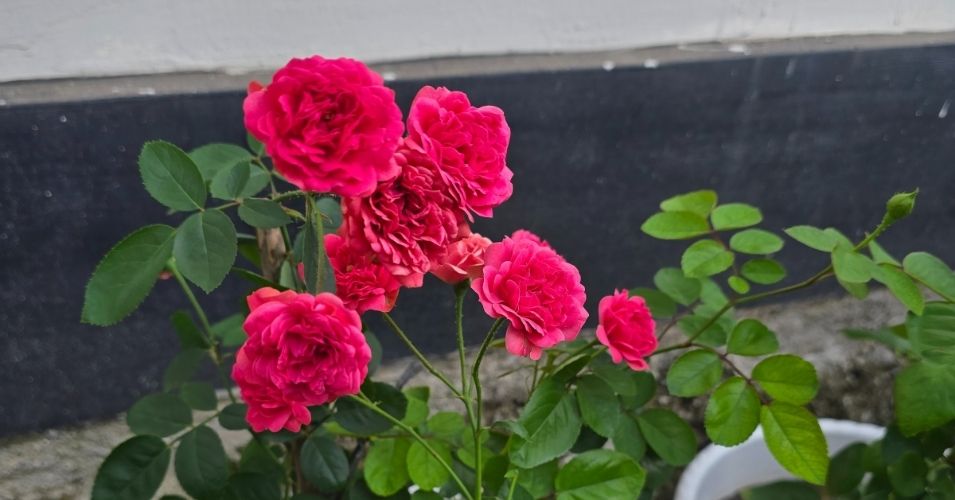
Roses are beloved for their beauty, fragrance, and timeless appeal. They have decorated gardens for centuries and continue to be one of the most popular flowering plants in the world. Yet for many gardeners, roses can also bring challenges that require time, patience, and ongoing care.
Fortunately, roses are not the only way to create a colorful and eye catching landscape. Many plants offer spectacular flowers, attractive foliage, and long seasons of interest while demanding much less attention. Some bloom for months, some attract pollinators in large numbers, and others provide impressive displays year after year with minimal effort.
If you love the idea of a beautiful garden but want alternatives that are easier to manage, these plants can help you create a landscape that is every bit as stunning. From bold flowering shrubs to fragrant perennials, there are many wonderful choices that deserve a place in the spotlight.
Hydrangeas Offer Colorful Garden Impact
If you want a plant that can rival the visual appeal of roses, hydrangeas deserve a close look. Their enormous flower clusters create a dramatic display that immediately draws attention, making them one of the most rewarding shrubs for home landscapes. A mature hydrangea can become a focal point all on its own, filling a space with color and texture from summer into fall.
Unlike many roses, hydrangeas generally require less attention throughout the growing season. Once established, they often thrive with routine watering and occasional pruning. Many gardeners appreciate the fact that they can enjoy spectacular blooms without constantly battling pests or monitoring every new stem.
One of the most appealing features of hydrangeas is their variety. Some produce large globe shaped flowers, while others display elegant cone shaped blooms. Colors range from white and pink to blue and purple, creating plenty of opportunities to match your garden’s style.
Hydrangeas also bring changing beauty throughout the season. Many blooms gradually shift in color as they age, creating layers of interest that keep the plant attractive for months. Even after the flowers fade, the dried blooms can remain decorative well into autumn.
These shrubs work beautifully along foundations, beside patios, or as part of mixed garden beds. Their lush foliage helps create a full, established look that roses often take years to achieve. The broad leaves provide a rich backdrop that helps nearby flowers stand out even more.
Another advantage is the plant’s adaptability. Many hydrangea varieties perform well in partial shade, allowing gardeners to brighten areas where roses may struggle. This flexibility opens up more planting possibilities and helps create colorful displays throughout the landscape.
For gardeners who want a strong visual impact without constant maintenance, hydrangeas offer an appealing balance of beauty and practicality. They provide the kind of memorable display that turns ordinary garden spaces into something special while asking for far less effort than many traditional rose varieties.
Peonies Provide Long Lasting Elegance
Peonies have a reputation for producing some of the most breathtaking flowers found in any garden. Their large blooms often appear almost too perfect to be real, unfolding into layers of soft petals that create an unmistakably luxurious appearance. When peonies bloom, they command attention in a way few other plants can.
One reason gardeners love peonies is their remarkable longevity. A healthy plant can thrive for decades, sometimes outliving the people who originally planted it. Instead of replacing aging shrubs or dealing with declining performance, many gardeners enjoy the same peony plants year after year.
Their flowers arrive in a wide range of shades, including white, pink, coral, red, and deep burgundy. Some varieties also offer a delightful fragrance that drifts through the garden on warm spring days. The blooms also make exceptional cut flowers, bringing beauty indoors for days at a time.
While peonies do not bloom continuously throughout the season, their spectacular floral display often makes up for the shorter flowering period. The anticipation leading up to bloom time becomes part of their charm, and when the flowers finally open, the reward feels well worth the wait.
Even after blooming ends, peonies continue contributing to the landscape. Their attractive foliage remains neat and appealing throughout much of the growing season, helping fill garden beds with rich green texture. This allows them to continue serving a purpose long after the flowers have faded.
Peonies are especially effective in cottage gardens, border plantings, and traditional landscapes. Their timeless appearance blends beautifully with many other perennials and flowering shrubs. They bring a sense of permanence and history that few plants can match.
For gardeners looking for an alternative to roses that combines elegance, durability, and surprisingly low maintenance needs, peonies offer a compelling solution. Their ability to provide decades of beauty from a single planting makes them one of the most valuable additions to almost any garden.
Lilacs Bring Fragrance And Beauty
For gardeners who love the scent of roses, lilacs offer an equally memorable experience. When their flowers open in spring, the air can become filled with a sweet fragrance that travels surprisingly far across the landscape. A blooming lilac shrub often becomes one of the most cherished features in a garden.
Lilacs are known for producing large clusters of flowers that cover branches in shades of purple, lavender, pink, white, and even soft blue. The sheer number of blooms can create a striking display that rivals many rose bushes. During peak bloom, the shrub seems almost hidden beneath its flowers.
Another reason gardeners appreciate lilacs is their durability. Once established, these shrubs can live for many decades with relatively little intervention. Many historic homes still feature lilacs planted generations ago, continuing to bloom each spring with impressive reliability.
The arrival of lilac flowers often signals the true beginning of the gardening season. Their blossoms attract butterflies, bees, and other pollinators, bringing movement and life to the yard. Watching pollinators move from flower to flower adds another layer of enjoyment to the experience.
Lilacs also fit comfortably into a variety of landscape styles. They look equally at home in formal gardens, cottage gardens, and naturalized settings. Whether planted as a specimen shrub or grouped together to create a flowering screen, they provide substantial visual impact.
Unlike roses that may require frequent deadheading and careful monitoring for disease, lilacs are generally straightforward to grow. Providing sunlight and occasional pruning is often enough to keep them thriving year after year. Their dependable nature appeals to gardeners who want beauty without constant maintenance.
A mature lilac shrub becomes more impressive with age. As it expands and produces more blooms each season, it develops a presence that few plants can match. For those seeking fragrance, color, and long term value, lilacs offer a rewarding alternative that brings character and charm to the landscape.
Coneflowers Add Reliable Summer Color
Coneflowers are proof that a garden does not need high maintenance plants to look spectacular. These hardy perennials produce cheerful blooms for weeks during the warmest months of the year, creating a colorful display that continues when many spring flowers have already faded.
Their daisy like flowers feature prominent centers surrounded by bright petals. While purple varieties are the most familiar, modern selections come in shades of pink, orange, yellow, red, and white. This wide range of colors allows gardeners to create vibrant combinations throughout flower beds and borders.
One of the greatest strengths of coneflowers is their toughness. They tolerate heat, drought, and a variety of soil conditions better than many traditional garden favorites. Once established, they often require little more than occasional watering during extended dry periods.
Pollinators are especially fond of coneflowers. Bees frequently visit the blooms, while butterflies seem drawn to them throughout summer. Later in the season, birds often feed on the seed heads, extending the plant’s value beyond its flowering period.
The upright growth habit of coneflowers helps create structure in garden beds. Their sturdy stems rarely need support, even during windy weather. This dependable performance makes them a practical choice for gardeners who prefer plants that can largely take care of themselves.
Coneflowers also combine beautifully with ornamental grasses, black eyed Susans, salvias, and many other perennials. Their relaxed appearance helps create natural looking plantings filled with movement and seasonal interest. They contribute color without overwhelming nearby plants.
Another appealing feature is their long blooming season. While some flowers make a brief appearance and disappear, coneflowers continue producing blooms for much of summer and often into early autumn. This extended show keeps the garden looking lively for months.
For gardeners searching for a rose alternative that offers resilience, pollinator appeal, and dependable color, coneflowers are difficult to beat. Their ability to thrive in challenging conditions while producing a steady stream of flowers has made them a favorite in gardens across many climates.
Lavender Creates Charm And Simplicity
Lavender has long been admired for its soothing fragrance and graceful appearance. While it may not produce the large blooms associated with roses, it offers a different kind of beauty that feels relaxed, welcoming, and timeless. Its soft purple flowers and silvery foliage can instantly give a garden a sense of warmth and character.
One of lavender’s greatest advantages is its low maintenance nature. Once established, it thrives in sunny locations and tolerates dry conditions remarkably well. Gardeners who grow tired of constantly watering and caring for demanding plants often find lavender to be a refreshing alternative.
The fragrance is another major attraction. Walking past a lavender plant on a warm day releases a pleasant scent that can make an outdoor space feel peaceful and inviting. Many people plant it near patios, walkways, and seating areas so they can enjoy its aroma throughout the season.
Lavender also attracts beneficial pollinators. Bees and butterflies frequently visit the flowers, helping bring activity and life into the garden. Watching these visitors move among the blooms adds an extra layer of enjoyment to the landscape.
The plant’s neat growth habit makes it useful in many settings. Lavender works beautifully as a border plant, along pathways, or as part of a mixed perennial bed. It can also be planted in groups to create striking drifts of color that stand out against green foliage.
Unlike roses that may require frequent pruning, disease monitoring, and deadheading, lavender asks for very little in return for its beauty. A simple trim after flowering is often enough to keep plants looking tidy and healthy.
Another benefit is its year round appeal. Even when flowers are not present, the attractive foliage continues adding texture and interest to the garden. This ensures that the plant contributes something valuable during every season.
For gardeners who want elegance without complication, lavender is an excellent choice. Its combination of fragrance, durability, and understated beauty makes it one of the best alternatives to roses for creating a welcoming and attractive landscape.
Final Thoughts
Roses will always have their admirers, but they are far from the only plants capable of creating a beautiful garden. Many alternatives offer impressive flowers, delightful fragrance, and lasting appeal while requiring less time and effort to maintain.
Hydrangeas provide dramatic displays, peonies bring timeless elegance, lilacs fill the air with fragrance, coneflowers deliver dependable color, and lavender offers simple beauty that fits almost any landscape. Each plant brings something unique while avoiding many of the challenges that can come with growing roses.
The best garden is not necessarily the one filled with the most demanding plants. It is the one that matches your lifestyle and allows you to enjoy the beauty around you. By choosing alternatives that thrive with less fuss, you can spend more time appreciating your garden and less time working in it.