
Most horse breeds have changed dramatically over time or vanished altogether. Yet a handful have managed to survive for centuries, and in some cases, thousands of years.
These horses lived through the rise and fall of empires, crossed deserts and mountains, and carried people long before roads, railways, or cars existed.
Some helped conquer vast territories. Others survived in remote corners of the world, largely untouched by outside influences.
Their histories are filled with mystery, resilience, and remarkable journeys. The fact that they still exist today is nothing short of extraordinary.
How the World’s Oldest Horse Breeds Survived
Many horse breeds have appeared and disappeared throughout history. Wars, changing transportation methods, and shifting breeding preferences have caused countless bloodlines to fade away. Yet some breeds managed to survive for thousands of years, preserving traits that connect them directly to the ancient world.
Their survival was rarely a matter of chance. Most of the world’s oldest horse breeds developed in environments that demanded toughness and adaptability.
In deserts, horses needed to travel long distances with limited food and water. In mountains, they had to navigate steep terrain and unpredictable weather. On isolated islands, they evolved with little influence from outside bloodlines.
Horses that could not meet these challenges disappeared, while the strongest and most resilient passed their traits to future generations.
Human communities also played a crucial role. Long before modern breeding organizations existed, people carefully selected horses that excelled at the tasks they needed most. Some prized endurance, while others valued speed, intelligence, or strength. Over centuries, these preferences helped shape distinctive breeds that became closely tied to local cultures and traditions.
As trade routes expanded and empires rose and fell, many horse populations mixed with others, making their original bloodlines difficult to trace. A handful of breeds, however, retained enough of their historic characteristics to stand out as living links to the past. Their stories reveal not only how horses evolved, but also how deeply they influenced human civilization.
Today, these ancient breeds offer a fascinating glimpse into history. Whether they carried warriors across deserts, helped build powerful empires, or survived in remote corners of the world, each has endured where many others vanished.
Their continued existence is a testament to both nature’s demands and humanity’s enduring partnership with the horse.
The Arabian Horse and Its Lasting Influence
Few horse breeds have had a greater impact on the equine world than the Arabian Horse. Widely considered one of the oldest horse breeds in existence, the Arabian developed on the Arabian Peninsula, where survival depended on endurance, toughness, and a close partnership between horse and rider.
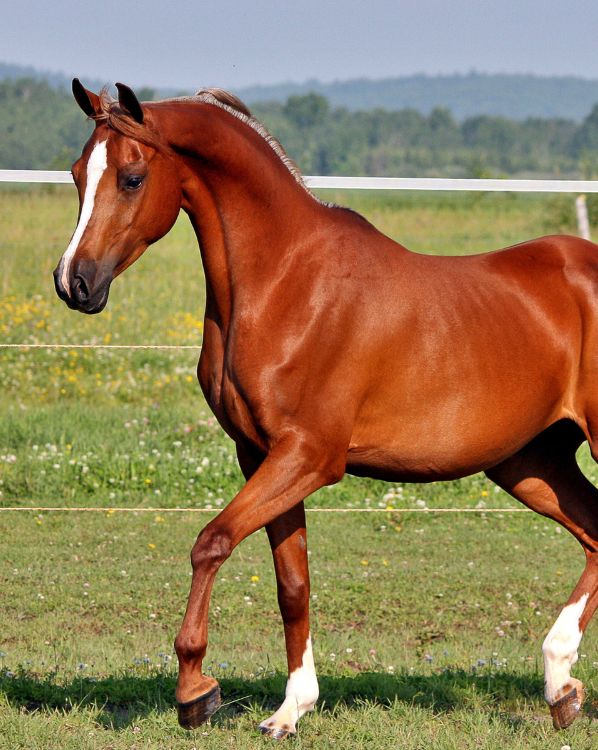
Life in the desert was demanding. Water sources could be separated by great distances, temperatures often soared during the day, and food was not always plentiful. Horses that thrived under these conditions became invaluable to the Bedouin tribes who depended on them for travel, trade, and protection.
Over generations, careful breeding helped preserve desirable traits, resulting in a horse renowned for stamina and intelligence.
The Arabian’s appearance is instantly recognizable. Its refined head, large eyes, arched neck, and distinctive tail carriage set it apart from most other breeds. Yet its true significance extends far beyond physical beauty. Arabian horses possess remarkable endurance and an energetic but willing temperament that has made them successful in a variety of disciplines.
Perhaps the breed’s greatest contribution is the influence it has had on countless other horses around the world. Arabian bloodlines played a major role in the development of breeds such as the Thoroughbred and many modern sport horses. Breeders valued the Arabian’s stamina, athleticism, and refinement, incorporating those qualities into new breeding programs across Europe and beyond.
Even today, Arabian horses dominate endurance competitions, demonstrating abilities that mirror those of their desert ancestors. Their continued success highlights why the breed has remained respected for thousands of years.
Horses That Carried Civilizations Forward
Throughout history, certain horse breeds became closely tied to the rise of powerful cultures and empires. These horses were more than transportation. They were strategic assets that allowed people to travel farther, trade more effectively, and wage war across enormous distances.
One of the oldest surviving examples is the Akhal-Teke, a breed originating in present-day Turkmenistan. Many historians believe its ancestry stretches back more than 3,000 years.
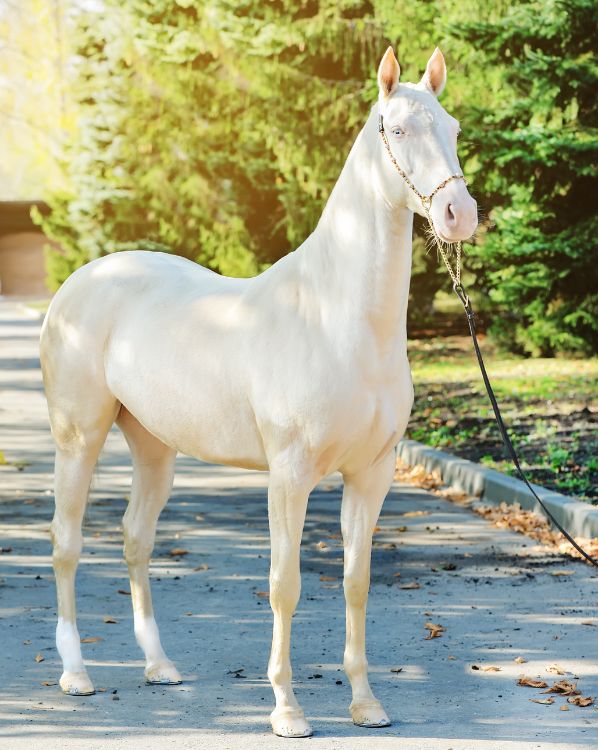
Developed in a region marked by harsh desert conditions, the Akhal-Teke became known for extraordinary endurance and efficiency. Many possess a metallic sheen that creates a golden or silver glow in sunlight, but their athletic ability is just as impressive as their appearance.
Farther east, the Mongolian Horse helped shape the course of world history. Smaller than many modern riding horses, these animals were exceptionally tough and capable of surviving harsh climates with minimal care.

They played a crucial role in the expansion of the Mongol Empire, carrying warriors across vast distances that stretched from Asia into Europe. Their stamina and resilience allowed armies to move with remarkable speed, helping create one of the largest empires the world has ever seen.
In North Africa, the Barb Horse earned a reputation for speed, agility, and reliability. Developed in regions that are now Morocco, Algeria, Tunisia, and Libya, the breed became highly valued by Berber tribes and later influenced horse breeding throughout Europe.
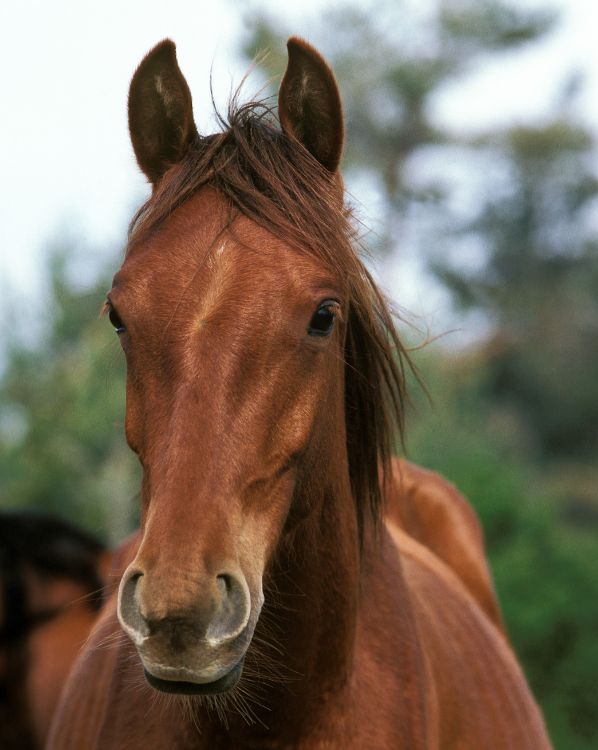
Military leaders admired the Barb’s endurance and responsiveness, while breeders sought its qualities to improve other horses. Its legacy can still be found in several modern breeds.
These horses did more than carry riders. They helped move armies, connect cultures, and shape the development of entire civilizations.
Isolation Preserved Some of History’s Oldest Bloodlines
While some ancient breeds spread across continents, others survived because they remained isolated from outside influences. Geographic separation often protected unique bloodlines, allowing certain horses to retain characteristics that might otherwise have disappeared.
The Icelandic Horse provides one of the best examples. Brought to Iceland by Norse settlers more than a thousand years ago, these horses became isolated from the rest of the world.
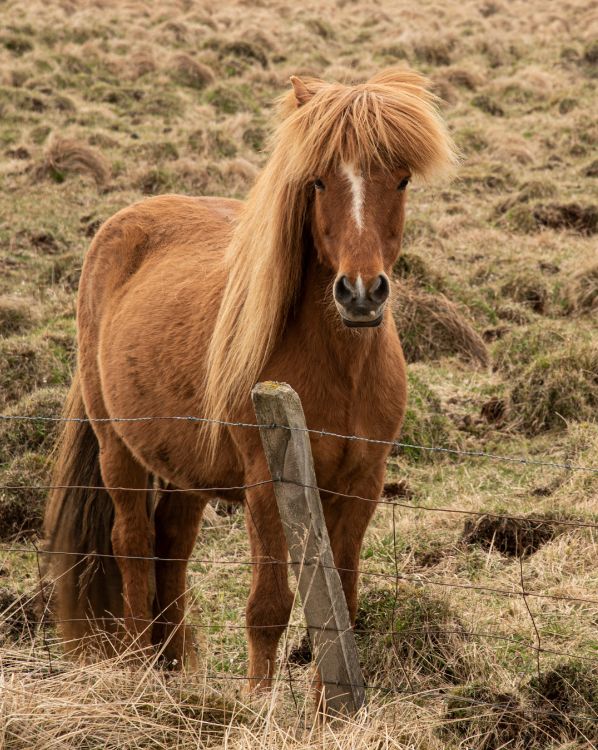
Because no new horses were introduced, the breed evolved with very little outside influence. Modern regulations continue to protect this genetic heritage by restricting horse imports.
Although smaller than many riding horses, the Icelandic horse is exceptionally strong and versatile. It is famous for unique gaits, particularly the smooth tölt, which allows riders to travel comfortably over long distances. Combined with a calm temperament and impressive resilience, these traits have helped the breed remain popular for centuries.
The Andalusian Horse represents another important chapter in equine history. Originating on the Iberian Peninsula, the breed’s roots extend deep into the ancient past. Horses resembling modern Andalusians appear in artwork and historical accounts dating back thousands of years.
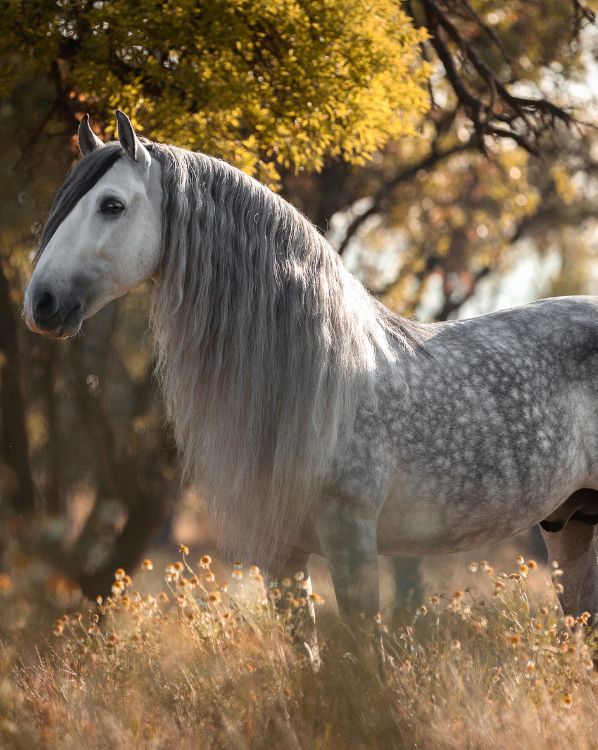
The Andalusian became highly prized throughout Europe for its combination of power, elegance, and intelligence. During the Renaissance, royal courts actively sought these horses, and many rulers considered them among the finest mounts available.
Their graceful movement and athletic ability made them equally valuable for warfare, ceremonial events, and classical riding traditions.
The breed’s influence extended far beyond Spain. Andalusian blood contributed to the development of numerous European horse breeds, helping shape the equestrian traditions that continue today. Their enduring popularity reflects both their beauty and their historical significance.
Rare Survivors From the Ancient World
Not every ancient horse breed became famous across continents or helped build powerful empires. Some survived quietly in remote regions, protected by geography, tradition, or sheer luck. These horses may be less familiar to modern readers, but their histories are every bit as fascinating as those of their better-known relatives.
One remarkable example is the Caspian Horse. Native to areas surrounding the Caspian Sea, this elegant breed is believed to have ancient roots in Persia. Despite its small size, the Caspian possesses many of the qualities associated with larger horses, including speed, agility, and intelligence.

For a time, experts thought the breed had vanished entirely, only for surviving populations to be discovered in the twentieth century. That rediscovery turned the Caspian into one of the most extraordinary comeback stories in the equine world.
Far to the southeast, the Marwari Horse developed in the arid landscapes of India’s Rajasthan region. Historical records suggest the breed has existed for centuries, serving local rulers and warriors who valued its endurance and loyalty.
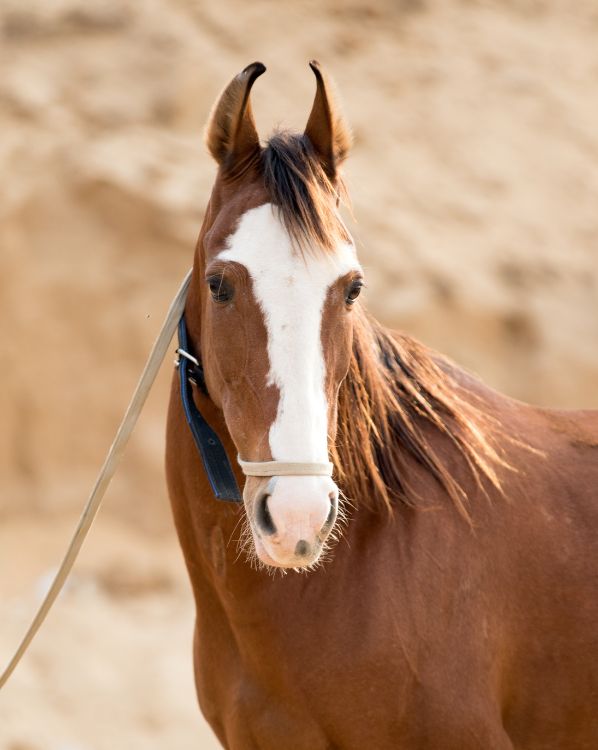
The Marwari is instantly recognizable thanks to its distinctive inward-curving ears, which often touch at the tips. Beyond its unusual appearance, the breed became known for courage in battle and an ability to navigate difficult terrain. Even today, it remains a symbol of Rajasthan’s rich cultural heritage.
Another ancient survivor is the Sorraia Horse of Portugal. Considered one of Europe’s most primitive horse breeds, the Sorraia retains characteristics that may resemble those of horses that lived on the Iberian Peninsula thousands of years ago.
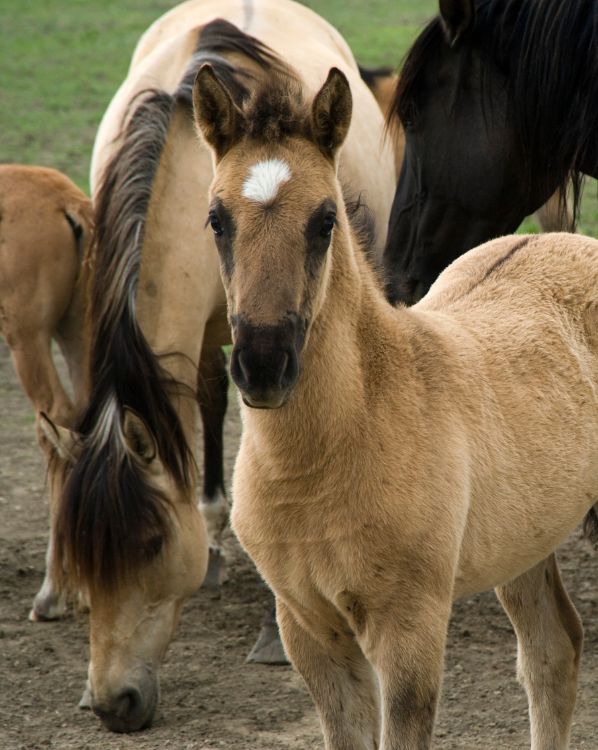
Its modest appearance hides a remarkable history. By the early twentieth century, the breed had become extremely rare, raising fears that it might disappear forever. Conservation efforts helped stabilize the population, allowing this living piece of European equine history to endure.
What connects these breeds is not fame or influence, but survival. Each faced periods when its future was uncertain. Yet through a combination of dedicated preservation efforts and enduring local traditions, they managed to avoid extinction.
Today, they serve as valuable reminders that the history of horses is not only told through the world’s most famous breeds. Sometimes, the most remarkable stories belong to those that quietly survived against the odds.
Final Thoughts
The world’s oldest horse breeds are living reminders of humanity’s shared past. They have crossed deserts, climbed mountains, carried warriors into battle, and helped build civilizations. Through thousands of years of change, they have retained qualities that made them indispensable to the people who relied upon them.
Breeds such as the Arabian Horse, Akhal-Teke, Mongolian Horse, Barb Horse, Icelandic Horse, Andalusian Horse, Caspian Horse, Marwari Horse, and Sorraia Horse each tell a unique story. Some emerged from harsh deserts, others from isolated islands or ancient kingdoms, yet all survived because they possessed exceptional traits that allowed them to endure where others could not.
In an age dominated by technology, there is something remarkable about standing beside a horse whose ancestors may have carried travelers and warriors thousands of years ago.
These ancient breeds remind us that history is not always confined to books and museums. Sometimes it is alive, breathing, and still running across the landscape, just as it did centuries ago.