
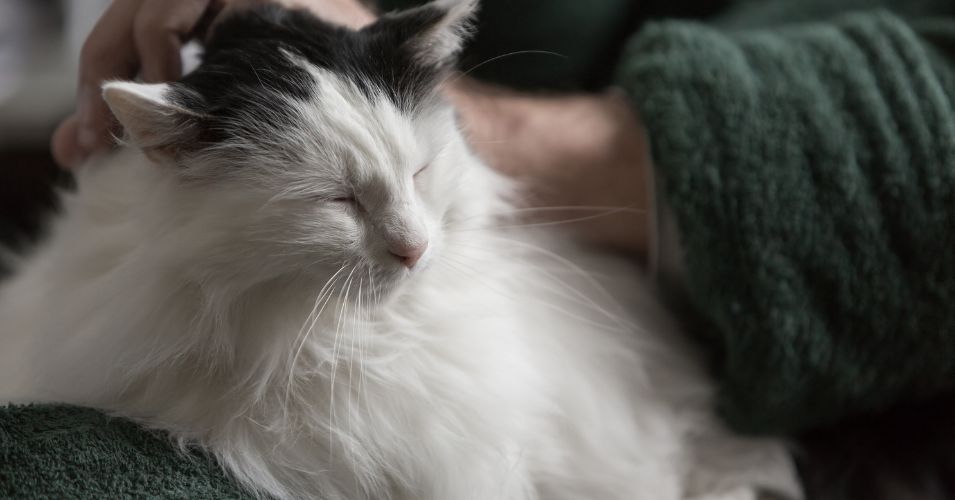
Living with a cat as a senior can be one of life’s greatest comforts. A familiar purr, a warm lap, and a loyal companion often bring peace that is difficult to find elsewhere. Yet behind those joyful moments are challenges that many people rarely discuss. Everyday tasks can become harder, unexpected expenses may appear, and planning for the future takes on new importance.
These struggles are often quiet and deeply personal.
Understanding them does not make life with a cat less rewarding. Instead, it helps older adults prepare, adapt, and continue enjoying the special bond they share with their feline friend for as long as possible.
When Everyday Cat Care Becomes More Demanding
Caring for a cat may seem simple at first glance, especially for someone who has owned pets for many years. Feeding, cleaning the litter box, brushing the coat, and scheduling vet visits often become second nature. However, these familiar routines can become more demanding during your senior years. Changes in strength, balance, and energy can turn once effortless tasks into daily challenges.
Bending down to scoop a litter box every day may place extra strain on the back and knees.
Lifting heavy bags of cat litter or large sacks of food can also become difficult. Even carrying water bowls from the sink to the floor may feel less comfortable than it once did. These small jobs often add up, making cat care more tiring than many people expect.
Mobility changes can create new concerns around the home as well. Cats love to weave between their owner’s feet, especially when they know mealtime is approaching. While this behavior is usually harmless, it can become a serious tripping hazard for older adults. A single fall has the potential to affect independence for months or even years.
Regular veterinary care presents another challenge. Driving may no longer feel comfortable for everyone, and carrying a frightened cat inside a travel carrier requires both strength and balance. If family members live far away, arranging transportation to appointments can become an added source of stress.
Financial pressures may also grow over time. Veterinary costs continue to rise, and many senior pet owners live on fixed incomes. A sudden illness or emergency surgery can force difficult decisions that no loving owner wants to face. Even routine expenses such as food, medication, grooming supplies, and flea prevention require careful budgeting.
Despite these obstacles, many older adults continue providing excellent care for their cats by making thoughtful adjustments. Lightweight litter, elevated feeding stations, automatic feeders, and help from family, neighbors, or local pet services can make everyday responsibilities much easier. Accepting assistance is not a sign of weakness. Instead, it is often the best way to ensure both owner and cat continue enjoying a safe and happy life together.
The Emotional Weight Few People Talk About
The physical demands of owning a cat are only part of the story. For many seniors, the emotional side of pet ownership is far more complicated, even if they rarely speak about it. The love shared with a cat brings enormous comfort, but it can also create quiet worries that stay hidden beneath the surface.
Many older adults spend more time at home than they once did. Children may have moved away, close friends may no longer live nearby, and retirement often changes daily routines. During these quieter years, a cat becomes much more than a pet. It becomes a companion that offers comfort without asking for anything in return. The gentle sound of purring or the simple presence of a familiar face can ease feelings of loneliness in ways that words cannot.
This close bond also creates a deep sense of responsibility.
Some owners worry about becoming sick or needing a hospital stay. Their first concern is often not themselves, but who will feed their cat, clean the litter box, or provide the affection the animal depends on. These thoughts may appear suddenly after a minor illness or doctor’s appointment, reminding them that life can change without much warning.
There is also the quiet fear of outliving independence before outliving a beloved pet. Many seniors hesitate to adopt another cat because they wonder whether they will be able to care for it throughout its entire life. It is a heartbreaking question that has no easy answer, yet countless animal lovers wrestle with it every year.
Grief can also begin long before a cat passes away. As pets grow older, owners often notice slower movements, health problems, or changes in personality. Watching a longtime companion age can be emotionally draining because every new change serves as a reminder that time moves forward for both owner and pet.
Even with these emotional challenges, the rewards often outweigh the worries. A cat provides unconditional companionship, daily purpose, and moments of joy that brighten ordinary days. While the concerns are real, so is the comfort. For many seniors, that quiet friendship remains one of the most meaningful relationships in their lives.
Finding New Ways to Keep Both You and Your Cat Safe
Growing older does not mean giving up the joy of sharing life with a cat. Instead, it often means looking at everyday routines through a different lens. Small changes around the home can make life safer for both owner and pet while allowing that special bond to continue for many happy years.
The first step is reducing the risk of falls. Cats naturally like to follow their owners from room to room, especially when food is involved. Being aware of where your cat is walking can prevent unexpected accidents. Taking an extra moment before turning around or stepping backward may seem minor, but it can make a meaningful difference.
The home itself can also be adjusted to support safer movement. Keeping walkways clear, securing loose rugs, and making sure rooms are well lit can lower the chance of tripping. If a cat enjoys sleeping in favorite spots, placing a comfortable bed away from busy pathways encourages the pet to rest somewhere less likely to cause an accident.
Cat care can also become easier with the right equipment. Lightweight litter boxes are simpler to move, while long handled scoops reduce the need to bend down repeatedly. Raised food and water stations may lessen strain on the back, and automatic feeders can provide meals on schedule if an owner is delayed or feeling unwell.
Health planning deserves attention as well. Keeping an up to date list of the cat’s medications, veterinarian information, and feeding routine makes it easier for someone else to step in if needed. A trusted neighbor, family member, or friend who knows the cat can provide valuable support during unexpected situations.
Safety is not only about preventing problems. It is also about creating peace of mind. Knowing that the home is arranged thoughtfully and that there is a backup plan allows owners to relax and enjoy the companionship their cat offers. These practical adjustments protect both lives while making everyday moments feel less stressful and far more enjoyable.
Preparing for the Future Without Fear
Thinking about the future is rarely easy, especially when it involves a beloved pet. Many people avoid the subject because it brings uncomfortable emotions. Yet making a few simple plans today can replace uncertainty with reassurance and provide comfort for both owner and family.
One of the most important questions is who would care for the cat if circumstances suddenly changed. A trusted relative, close friend, or neighbor may already have a relationship with the pet, making the transition less stressful if help is ever needed. Having an honest conversation before an emergency occurs removes uncertainty and allows everyone to understand the owner’s wishes.
Writing down important details can also make a lasting difference. Information about feeding schedules, favorite foods, medications, veterinary records, and daily habits gives future caregivers the knowledge they need to provide consistent care. Cats often find comfort in familiar routines, especially during periods of change.
Financial planning may also become part of the conversation. Setting aside savings for future veterinary care or leaving a small amount to help cover the cat’s ongoing expenses can reduce the burden on loved ones. While this may seem difficult to consider, it reflects the same sense of responsibility that has guided years of devoted pet ownership.
It is equally important to remember that planning ahead is not a sign of expecting the worst. Instead, it allows owners to focus on enjoying the present rather than worrying about what might happen tomorrow. Knowing that thoughtful arrangements are already in place can bring a surprising sense of relief.
The future will always hold uncertainties, but it does not have to be frightening. Careful preparation allows older cat owners to move forward with greater confidence, knowing their companion will continue to receive love and care no matter what life brings. That peace of mind becomes one of the greatest gifts they can give themselves and the faithful friend who has shared so many quiet moments by their side.
Why the Love Between Seniors and Cats Is Worth Every Challenge
Every meaningful relationship comes with responsibilities, and the bond between older adults and their cats is no exception. There are moments of worry, unexpected expenses, and physical challenges that may become more noticeable with age. Yet for countless seniors, none of these difficulties outweigh the comfort and happiness their feline companion brings into everyday life.
Cats have a remarkable way of making ordinary days feel special. A quiet morning becomes more enjoyable with a cat curled beside you. An evening spent reading feels warmer when a familiar purr fills the room. These simple experiences may seem small, but together they create a sense of routine and connection that many older adults deeply value.
A cat also provides a reason to stay active and engaged. Feeding times, play sessions, and regular grooming create gentle structure throughout the day. Having another living creature that depends on you offers a sense of purpose that can become even more meaningful after retirement or when family members live far away.
The companionship itself is difficult to measure. Cats do not care about age, appearance, or physical ability. They offer affection in quiet, consistent ways that often provide comfort during periods of loneliness, grief, or uncertainty. Their presence reminds owners that they are not facing each day alone.
Many seniors also discover that caring for a cat encourages them to care for themselves. Keeping medical appointments, maintaining a comfortable home, and staying physically capable become important not only for personal well being but also for the pet waiting at home. This shared journey benefits both lives.
The challenges discussed throughout this article are real, but they should never overshadow the joy of the relationship itself. With thoughtful planning, practical adjustments, and support from loved ones when needed, many older adults continue to enjoy years of rewarding companionship. The love shared between a senior and a cat is built on trust, loyalty, and countless quiet moments that become treasured memories. Those moments often prove that the greatest rewards in life are found in the simplest connections.
Final Thoughts
Growing older brings changes that affect nearly every part of life, including pet ownership. Daily routines may require adjustments, and future planning becomes more important than ever. Even so, these realities do not lessen the value of sharing life with a beloved cat.
By recognizing potential challenges early and making practical changes along the way, seniors can continue providing a safe, loving home while protecting their own well being. A little preparation today can prevent unnecessary stress tomorrow.
Most importantly, remember that the bond between a person and a cat is about far more than daily care. It is built on companionship, comfort, and unconditional affection that grows stronger with time. While there may be obstacles along the way, the memories, laughter, and quiet moments shared together often make every effort worthwhile. For many seniors, a faithful cat is not simply a pet. It is family.