
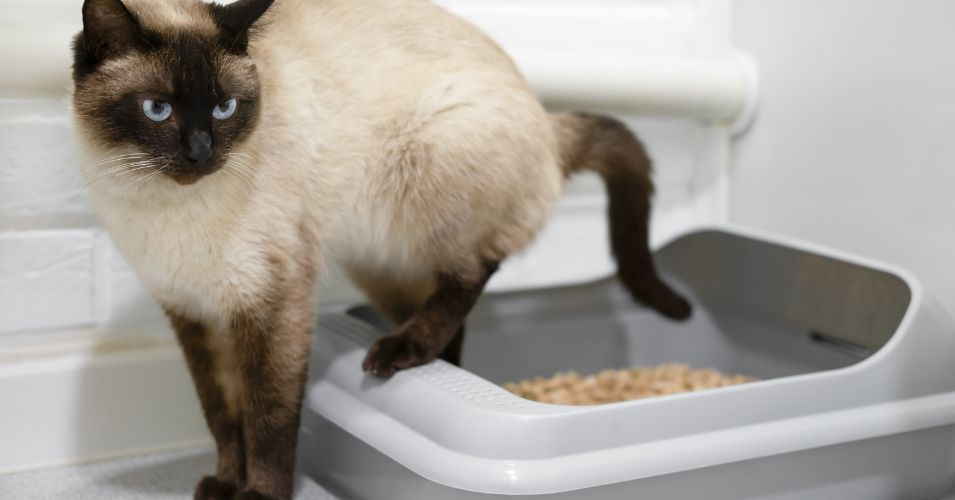
Most cat owners know they should scoop the litter box regularly, but knowing when to completely change the litter is not always as clear.
Change it too often, and you may waste time and money. Wait too long, and you could end up with unpleasant odors and an unhappy cat.
The right schedule depends on several factors, including the type of litter you use and how many cats share the box.
Here’s what you need to know to keep your cat comfortable and your home fresh.
Why a Clean Litter Box Matters
Imagine being expected to use the same bathroom every day without anyone flushing it.
That is essentially how many cats view a neglected litter box.
Cats are naturally clean animals. In the wild, they often bury their waste to hide their scent from predators and rivals. That instinct remains strong even in the most pampered house cat. Because of this, cleanliness matters far more to cats than many owners realize.
When a litter box becomes dirty, the first problem is usually odor. Humans may notice a faint smell and think it is acceptable, but a cat’s sense of smell is far more powerful. What seems mildly unpleasant to you may seem overwhelming to your pet.
A dirty box can also create behavioral issues. Some cats will continue using it no matter what. Others are much pickier. If conditions become unpleasant enough, they may start looking for cleaner alternatives around the house. Carpets, laundry piles, and quiet corners suddenly become tempting options.
There is also a health aspect to consider. Waste that sits for extended periods allows bacteria and ammonia odors to build up. While occasional delays are not usually a problem, regularly ignoring the litter box can create an environment that is neither comfortable nor hygienic.
The good news is that most litter box problems are preventable. A consistent cleaning routine keeps odors under control and helps your cat feel confident about using the box every time.
How Often Should You Scoop Cat Litter?
If there is one habit that makes the biggest difference, it is daily scooping.
Many people focus on how often they should replace litter completely, but scooping is what truly keeps a litter box fresh. Removing waste every day prevents odors from building up and stops clean litter from becoming contaminated.
For most households, once a day is the minimum. Twice a day is even better.
That might sound excessive at first, but the task usually takes only a few minutes. In return, you get a cleaner litter box, fewer smells, and a happier cat.
Daily scooping also helps you notice changes that could signal health issues. If your cat suddenly produces much larger urine clumps or has unusual stools, you are more likely to catch it early. Many owners first notice signs of illness while cleaning the litter box.
Multi-cat homes often require extra attention. Two or three cats can fill a box surprisingly quickly, especially if they all prefer the same one. In those situations, scooping morning and evening often works best.
Think of scooping as routine maintenance. It is the small task that prevents bigger problems later.
When to Completely Change the Litter
Even the most diligent scooping routine cannot keep litter fresh forever.
Over time, litter absorbs moisture, traps odors, and gradually loses its effectiveness. Eventually, it reaches a point where replacing the entire contents of the box is the only real solution.
For clumping litter, many owners can go two to four weeks between complete changes if they scoop consistently. Non-clumping litter usually needs to be replaced more often because urine remains in the box instead of being removed as clumps.
The type of litter makes a noticeable difference.
Some premium litters are designed to last longer and control odors more effectively. Others break down quickly and require more frequent replacement. This is one of the reasons litter recommendations vary so widely.
Changing the litter should also include cleaning the box itself.
After emptying the old litter, wash the box with warm water and mild soap. Dry it thoroughly before adding fresh litter. This removes residue that scooping alone cannot address.
Many owners skip this step and wonder why odors return so quickly. A freshly washed box combined with clean litter creates a much more pleasant environment for your cat.
Factors That Affect How Frequently You Should Change Litter
One reason there is no universal answer to this question is that every household is different.
The number of cats is often the biggest factor. More cats mean more waste, which naturally means litter becomes dirty faster. A schedule that works perfectly for one cat may be completely unrealistic for three.
The size of the litter box matters too. A larger box gives waste more room to spread out and keeps the area usable for longer. Small boxes can become crowded surprisingly quickly.
Diet can also influence how often litter needs attention. Cats that eat wet food usually produce more urine, which means the litter absorbs more moisture throughout the week.
Climate plays a role as well. In humid environments, litter may hold moisture and odors more readily than it would in a dry home.
Then there is the cat’s personality.
Some cats are tidy and predictable. Others seem determined to turn every litter box visit into a construction project. If your cat digs aggressively, scatters litter everywhere, or rarely covers waste, you may find yourself cleaning more often than average.
Signs It’s Time for Fresh Cat Litter
Sometimes the calendar says the litter should still be fine, but the litter box tells a different story.
One of the most obvious signs is lingering odor. If the box smells unpleasant even after scooping, the litter has probably reached the end of its useful life.
The appearance of the litter can also reveal a lot. Fresh litter usually looks loose and clean. Old litter often becomes darker, compacted, or damp in certain areas.
Pay attention to how the litter performs during scooping.
If clumps crumble apart instead of holding together, the litter may be saturated. Once that happens, keeping the box fresh becomes much more difficult.
Your cat may offer clues as well.
A cat that suddenly hesitates before entering the box, spends time sniffing around it, or starts choosing other locations in the house may be telling you something. While medical issues should never be ruled out, litter box cleanliness is often one of the first things worth checking.
In many cases, owners notice these signs before the scheduled change date arrives. That is why flexibility is important. The best litter routine is the one that responds to your cat’s needs rather than blindly following a calendar.
Final Thoughts
So, how often should you change cat litter?
For most cat owners, the sweet spot is simple: scoop at least once a day and replace all the litter every few weeks. From there, adjust based on the type of litter you use, the number of cats in your home, and how quickly the box becomes dirty.
The goal is not perfection. It is consistency. A clean litter box helps prevent odors, encourages good habits, and creates a healthier environment for both you and your cat. Pay attention to the condition of the litter, watch your cat’s behavior, and do not be afraid to adjust your routine when needed.
Your cat may never thank you for keeping the litter box clean. But they will almost certainly notice when you do not.