
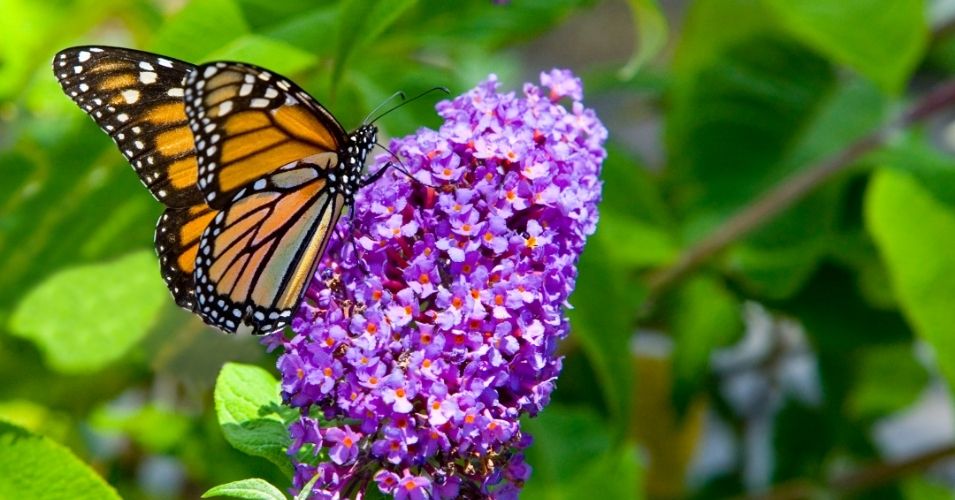
Butterfly bush became popular because it grows fast, blooms for a long time, and attracts butterflies with ease. Over time, though, many gardeners started looking for better choices.
Some butterfly bush varieties spread aggressively in certain regions, while others offer little support for pollinators beyond nectar alone. Many homeowners now want plants that provide richer habitats, longer seasonal interest, and more balanced garden beauty.
Thankfully, there are plenty of stunning alternatives that bring color, fragrance, texture, and pollinator activity without the drawbacks that often come with butterfly bush. Some bloom for months, while others provide berries, shelter, or dramatic foliage that keeps the garden lively far beyond summer.
Native Shrubs Bursting With Pollinator Activity
Many gardeners first plant butterfly bush because they want more butterflies in the yard, but several native shrubs can create an even livelier scene while supporting a wider range of pollinators.
Native plants often provide nectar, shelter, and food sources that local wildlife naturally depends on throughout the year. Once these shrubs settle into the landscape, they usually require less effort because they are already adapted to regional weather conditions.
Buttonbush is one of the most impressive choices for a pollinator friendly garden. Its round white blooms look almost like floating pincushions, and they quickly become covered with bees, butterflies, and hummingbirds during summer. The shrub also thrives in damp areas where many flowering plants struggle, which makes it useful for difficult corners of the yard.
New Jersey tea offers a completely different appearance but delivers just as much charm. Its clusters of tiny white flowers create a soft cloudlike effect that brightens borders and pathways during warm weather.
This compact shrub also attracts countless small pollinators that help keep the garden active from morning until evening. Many homeowners are surprised by how much texture native shrubs can bring into the landscape.
Spicebush becomes especially beautiful in spring when yellow flowers appear before the leaves fully emerge. Later in the season, its foliage creates a rich green backdrop that pairs beautifully with colorful perennials nearby. Some swallowtail butterflies even rely on this shrub as a host plant for their caterpillars, which adds another layer of life to the garden.
Native shrubs also tend to create a more balanced outdoor space that changes naturally with the seasons. Birds may stop by for berries, butterflies may rest on leaves during hot afternoons, and bees may return day after day to gather pollen.
Instead of a garden that only looks attractive for a few weeks, these shrubs help create an outdoor area that feels alive from spring through fall. Many gardeners eventually discover that replacing butterfly bush with native shrubs creates a healthier and more interesting landscape overall.
Long Blooming Perennials Full Of Color
Some gardeners hesitate to remove butterfly bush because they fear losing months of nonstop blooms, but many perennials can provide equally long displays while adding richer color combinations and softer textures. These plants often spread gradually over time, filling flower beds with waves of color that return year after year without much extra work.
Coneflowers are among the best replacements for butterfly bush because they bloom heavily through summer and continue well into early fall.
Their large daisy shaped flowers attract butterflies constantly, while seed heads later provide food for birds once cooler weather arrives. Shades of pink, orange, white, and deep red also allow gardeners to create more varied planting combinations.
Catmint offers another excellent option for nonstop color. Its soft purple blue blooms seem to float above silvery foliage, creating a relaxed and calming appearance in sunny gardens. Once established, this perennial handles drought surprisingly well and often blooms again after a light trim during midsummer.
Gardens filled with long blooming perennials usually feel more layered and welcoming than spaces dominated by a single large shrub.
Black eyed Susans bring strong golden color that instantly brightens garden beds during the hottest part of summer. Butterflies regularly gather around the flowers, while the upright stems help create structure among softer plants nearby. Their cheerful appearance also pairs beautifully with ornamental grasses and other prairie style plantings.
For gardeners who love bright colors, salvia can become an unforgettable addition to the landscape. Tall flower spikes in shades of purple, red, or blue attract hummingbirds and butterflies almost nonstop during warm months. The blooms also create vertical interest that keeps flower beds from looking flat or crowded.
Long blooming perennials offer another advantage that many homeowners appreciate over time. Instead of relying on one oversized shrub for color, gardeners can mix several plants together to create changing textures and bloom periods across the entire season.
One plant may begin flowering in late spring, while another reaches its peak in midsummer and another carries color into autumn. That constant shift keeps the garden fresh and exciting every time someone steps outside.
Fragrant Garden Favorites That Draw Butterflies
A garden filled with fragrance often feels more peaceful and memorable than one focused on color alone. Sweet scents drifting through the yard can completely change the atmosphere during warm evenings, especially when butterflies and hummingbirds begin fluttering from bloom to bloom.
Many fragrant plants also attract far more pollinators than gardeners expect, which makes them excellent replacements for butterfly bush.
Lavender remains one of the most reliable choices for both fragrance and pollinator activity. Its soft purple flower spikes release a calming scent that becomes even stronger on sunny afternoons.
Butterflies frequently gather around the blooms, while bees seem drawn to the plant from the moment flowers appear. Many gardeners also appreciate how tidy lavender looks throughout the growing season.
Bee balm creates a much bolder display with bright flowers in shades of red, pink, and purple. The scent of the leaves becomes noticeable whenever someone brushes past the plant, adding another layer of interest to pathways and garden borders. Hummingbirds especially love bee balm, and butterflies rarely stay away for long once the flowers open.
Sweet alyssum produces tiny clusters of flowers that release a surprisingly rich honeylike scent. Even though the blooms are small, they can blanket borders and containers with color for months. Butterflies often hover above the flowers during warm afternoons, especially in gardens with plenty of sunshine.
For larger garden spaces, phlox offers an impressive combination of fragrance and long lasting color. Its flower clusters create a soft cottage garden appearance while filling the air with a sweet scent during summer evenings. Modern varieties also come in many shades, allowing gardeners to create more personalized color palettes.
Fragrant gardens tend to encourage people to slow down and spend more time outdoors. Instead of simply walking past the flower beds, visitors pause to enjoy the scents, watch butterflies move through the blooms, and notice details they may have otherwise missed.
That experience creates a garden that feels welcoming in a deeper and more lasting way. Replacing butterfly bush with fragrant plants can transform the entire mood of the landscape.
Flowering Shrubs Offering Four Season Beauty
One common complaint about butterfly bush is that it often looks plain once flowering ends. Some shrubs, however, continue bringing beauty long after their blooms fade by offering colorful foliage, berries, textured bark, or strong winter structure.
Choosing shrubs with four season appeal helps create a garden that stays attractive through every part of the year instead of peaking for only a short time.
Oakleaf hydrangea stands out as one of the most rewarding shrubs for year round interest. Large white flower clusters brighten the garden in summer, while the leaves turn rich shades of burgundy and bronze during autumn.
Even in winter, the peeling bark and dried flower heads continue adding texture to the landscape. The shrub also blends beautifully into both formal and natural style gardens.
Virginia sweetspire offers another excellent alternative for gardeners who want more seasonal variety. Its fragrant white flowers appear in late spring, attracting butterflies and bees with ease. When cooler temperatures arrive, the foliage shifts into fiery red and orange shades that often remain vibrant for weeks. Some flowering shrubs become even more beautiful after the growing season ends.
Beautyberry creates soft pink flowers during warmer months, but its true show begins in fall when bright purple berries cover the branches. Those berries often remain well into winter, adding striking color when most gardens appear dull and empty. Birds also appreciate the fruit later in the season, which adds more wildlife activity to the yard.
Fothergilla deserves far more attention than it usually receives. Its bottlebrush shaped flowers appear in spring before the leaves fully develop, giving the shrub an airy and unusual appearance. During autumn, the foliage transforms into shades of yellow, orange, and deep red that rival many trees.
Gardens filled with four season shrubs feel more complete throughout the year. There is always something interesting to notice, whether it is fresh spring flowers, colorful summer foliage, glowing autumn leaves, or textured branches during winter. That steady rhythm creates a landscape that feels dynamic instead of temporary.
Many homeowners eventually realize that the best gardens are not built around one short flowering season. They are shaped by plants that continue giving something beautiful in every season.
Tough Low Maintenance Plants For Sunny Spaces
Sunny gardens can become difficult places during the hottest part of summer, especially when rainfall becomes scarce and temperatures remain high for weeks at a time.
Butterfly bush often survives those conditions, but many other plants handle heat just as well while bringing more texture, color, and seasonal variety into the landscape. Choosing hardy sun loving plants can also reduce watering, trimming, and overall maintenance throughout the year.
Russian sage is one of the toughest plants gardeners can grow in bright conditions. Its tall silvery stems and soft lavender blue flowers create an airy appearance that moves beautifully in the breeze.
Butterflies regularly visit the blooms, while the plant itself asks for very little once its roots become established. The soft color of Russian sage also pairs beautifully with bolder flowers nearby.
Yarrow offers another dependable choice for dry sunny areas. Flat clusters of flowers appear in shades of yellow, pink, orange, and white, bringing long lasting color to flower beds through much of summer. The fernlike foliage adds texture even before blooming begins, which helps keep the garden visually interesting early in the season.
Some low maintenance plants bring dramatic structure without demanding constant attention. Sedum thrives in poor soil, hot weather, and areas where many flowering plants struggle to survive.
Thick succulent leaves stay attractive throughout the season, while late summer blooms attract butterflies and bees in large numbers. Taller varieties also continue adding interest into fall as flower heads slowly deepen in color.
For gardeners who want bold color with minimal effort, blanket flower can become a standout addition. Its red and yellow blooms appear continuously through warm months and hold up remarkably well during dry weather. Deadheading helps encourage more flowers, but even neglected plants often continue blooming for weeks.
Low maintenance sunny gardens often feel more relaxed and enjoyable because they do not require endless upkeep to remain attractive.
Instead of constantly watering, pruning, or replacing struggling plants, gardeners can spend more time simply enjoying the movement of butterflies and the changing colors throughout the season. That balance between beauty and simplicity is what makes these plants such strong alternatives to butterfly bush.
Final Thoughts
Butterfly bush may still have a place in some gardens, but many homeowners now prefer plants that provide richer beauty, stronger pollinator support, and more seasonal interest. From fragrant perennials to native shrubs filled with wildlife activity, there are countless alternatives that can create a more balanced and rewarding landscape.
The best gardens rarely depend on a single plant for color or excitement. They combine texture, fragrance, movement, and changing seasonal displays that keep the yard lively from spring through winter.
By choosing a wider variety of plants, gardeners can create outdoor spaces that feel healthier, more welcoming, and far more memorable year after year.