
There is never enough time with a beloved dog.
While all dog owners eventually face the heartbreak of saying goodbye, some breeds are known for having much shorter lifespans than others. Many of these dogs are gentle giants and loyal companions that become cherished members of the family in what feels like no time at all.
In this article, we’ll explore why some breeds tend to live shorter lives and highlight the dogs that often leave their owners wishing they had just a few more years together.
Why Some Dog Breeds Have Shorter Lives Than Others
One of the first things many dog owners learn is that not all breeds age at the same pace.
A tiny dog can celebrate its fifteenth birthday and still have plenty of energy, while a giant breed may already be considered a senior before reaching double digits. It is a surprising difference, especially for people who assume bigger animals naturally live longer lives.
In the dog world, the opposite is often true.
Experts have spent years studying why this happens, and size appears to be a major piece of the puzzle. Large and giant breeds grow incredibly fast during puppyhood. In just a short time, they transform from clumsy bundles of fur into dogs that can weigh well over 100 pounds. That rapid growth places significant demands on the body from an early age.
Think about how much work goes into building a giant dog. Bones must grow larger, muscles have to support more weight, and vital organs need to keep up with a much bigger frame. Over time, that extra workload may contribute to faster aging compared to smaller breeds.
Genetics also plays an important role.
Every breed has its own history, shaped by generations of selective breeding. While that process created the unique dogs we know today, it also meant certain traits became deeply rooted within specific breeds. Along with those desirable characteristics sometimes came factors that can influence lifespan.
There is also the simple reality that larger dogs place more strain on their bodies throughout life. Carrying that much size day after day is no small task. Even healthy dogs can feel the effects as they get older.
Of course, averages only tell part of the story. Some dogs live well beyond what the statistics suggest, while others face challenges much earlier. Good nutrition, regular exercise, and consistent veterinary care can all help a dog enjoy the healthiest life possible.
Still, when it comes to longevity, some breeds start the race with less time on the clock. That may be difficult to hear, but it is also a reminder to appreciate every stage of a dog’s life while it is happening.
Giant Breeds That Often Face the Toughest Odds
Big dogs have a way of making a lasting impression.
Maybe it is the sight of a dog that can look you in the eye while standing on all fours. Maybe it is the contrast between their enormous size and their surprisingly gentle personalities. Whatever the reason, giant breeds tend to attract devoted fans. Unfortunately, they are also among the dogs that often have the shortest lives.
The Great Dane is a perfect example. These towering dogs are famous for their size, but people who live with them often talk more about their affectionate nature than their height.
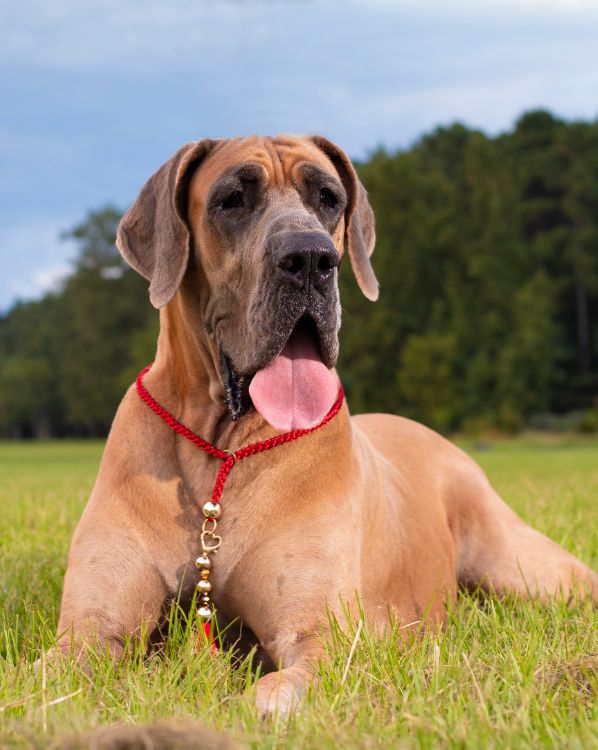
A Great Dane rarely realizes how large it is. Many will happily lean against their owners, curl up on furniture, or attempt to squeeze into spaces clearly meant for much smaller dogs.
Most live between seven and ten years, which means owners often feel like the puppy years disappear in the blink of an eye.
The Irish Wolfhound has a completely different look but faces a similar reality. Tall, shaggy, and dignified, this breed has an almost storybook appearance. Despite its history as a hunter, the modern Irish Wolfhound is typically calm and easygoing at home.
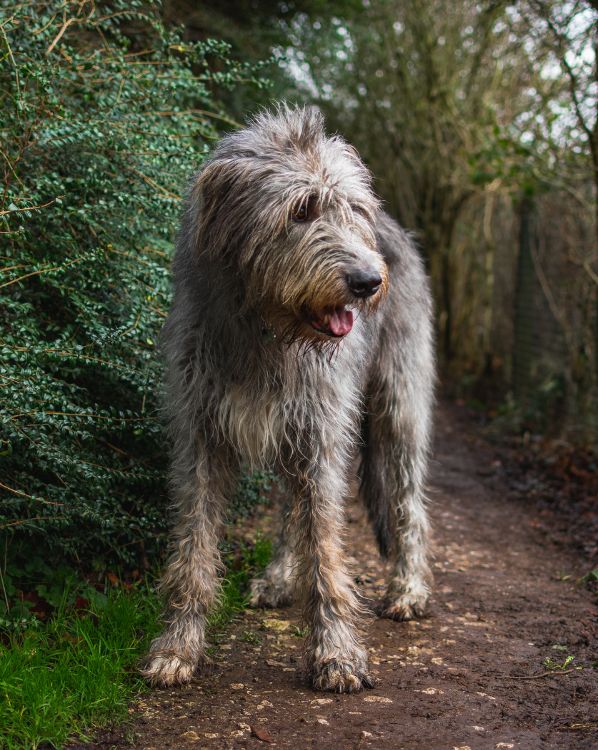
Their quiet loyalty is one of the reasons people become so attached to them. Sadly, they are often among the shortest-lived dogs, with many reaching only six to eight years of age.
Then there is the Bernese Mountain Dog, a breed that seems to collect admirers wherever it goes. Their striking coat and friendly expression make them instantly recognizable.
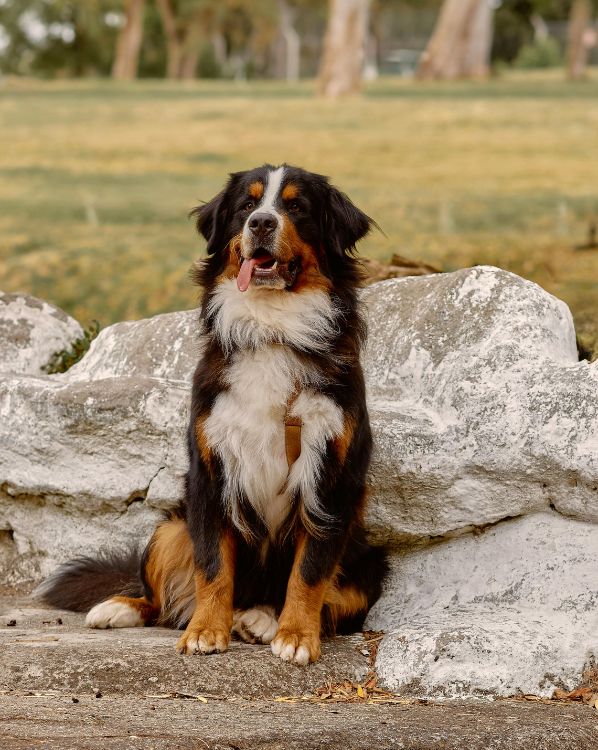
More importantly, they are known for wanting to be involved in family life. Whether it is a walk around the neighborhood or a lazy afternoon in the backyard, Berners prefer to be where their people are.
Most live around seven to ten years, a fact that many owners struggle to accept because these dogs bring so much warmth and joy into a home.
Loyal Companions Owners Wish They Had Longer
Not every dog leaves the same kind of mark.
Some become so intertwined with daily routines that it feels strange to remember what life was like before them. They are there for morning coffee, family movie nights, weekend adventures, and everything in between.
That is part of what makes it so difficult that some beloved breeds have less time than others.
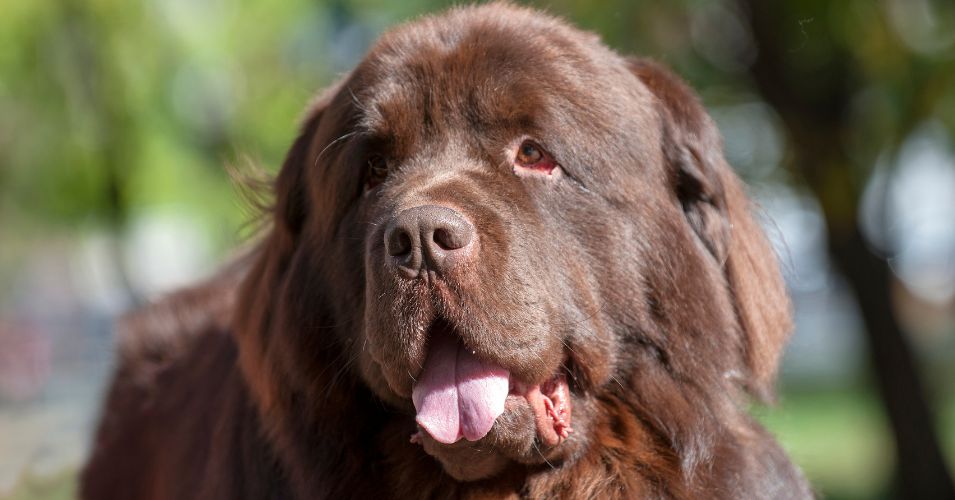
The Newfoundland is one of those dogs. Massive in size but famously gentle, this breed has earned a reputation as one of the kindest companions in the canine world. Owners often describe Newfoundlands as patient, steady, and incredibly devoted.

They are the type of dog that quietly stays close without demanding attention. Most live between eight and ten years, which rarely feels long enough for families who grow attached to their calm and dependable presence.
The Bullmastiff offers a different personality but inspires the same level of devotion. These dogs were originally bred to guard estates, and that protective instinct remains part of their character today.
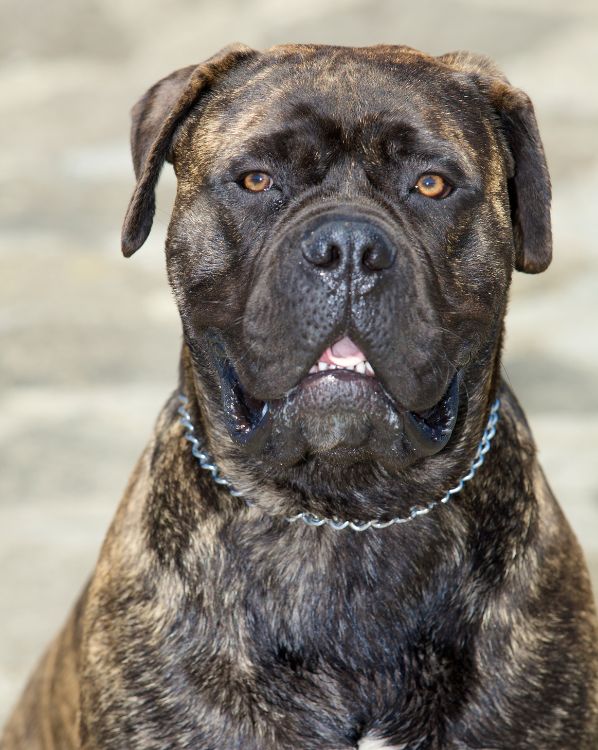
What surprises many people is how affectionate they can be at home. A Bullmastiff may look serious around strangers, yet become a complete softie around its family.
Their lifespan typically falls between seven and nine years, making them another breed that owners often lose sooner than expected.
The Leonberger is sometimes overlooked compared to more famous giant breeds, but it deserves a place in the conversation. With its lion-like appearance and friendly temperament, the Leonberger tends to attract attention wherever it goes.
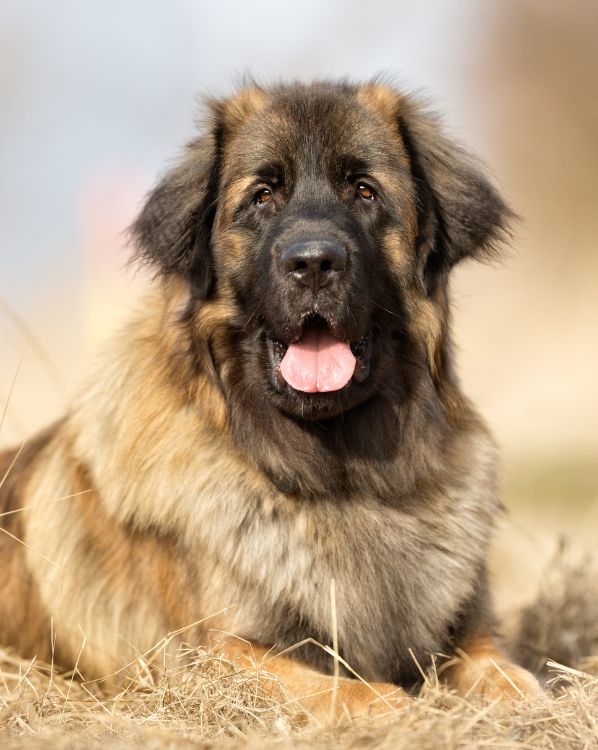
These dogs enjoy being included in family activities and generally thrive when they have plenty of interaction with people. Most live around seven to nine years. For a breed with such a vibrant personality, that can feel heartbreakingly brief.
The Dog Breeds With the Shortest Life Expectancies
When conversations turn to canine longevity, a handful of breeds appear again and again. Among them are two giants that have earned devoted followings despite their relatively short lifespans.
The Neapolitan Mastiff is impossible to ignore. Everything about this breed is oversized, from its broad frame to its unmistakable folds of skin.
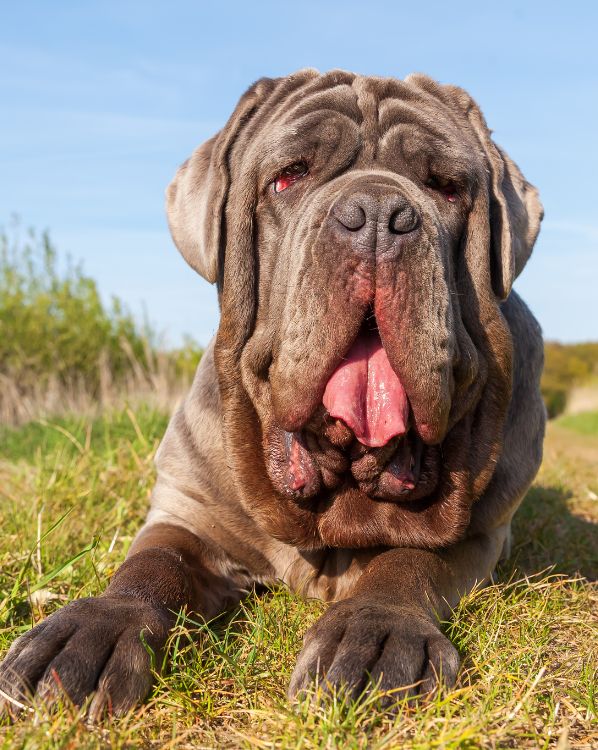
Yet behind that intimidating appearance is a dog that often forms deep attachments to its family. Many owners describe Neapolitan Mastiffs as loyal shadows that prefer staying close to the people they trust.
Most live between seven and nine years, placing them among the shorter-lived dog breeds.
The Saint Bernard has a reputation that stretches far beyond the dog world. Thanks to its history in mountain rescue work, it is one of the most recognizable breeds on the planet.
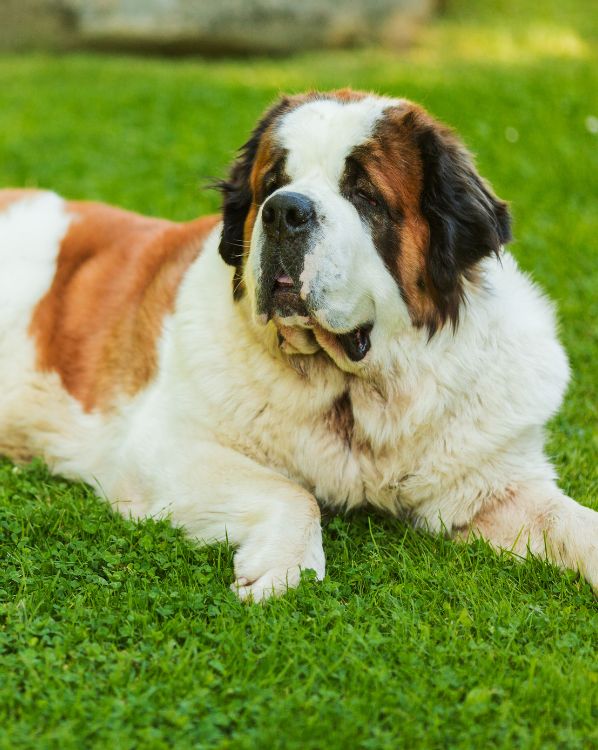
Today, however, most Saint Bernards are best known as affectionate family companions. They tend to be patient, calm, and surprisingly gentle considering their enormous size. Children are often especially drawn to them because of their friendly nature.
Even so, the average Saint Bernard lifespan usually falls between eight and ten years. While that may not sound dramatically short at first glance, it is considerably less than many smaller breeds enjoy.
What makes these breeds memorable is not how long they live but how much they manage to pack into the years they have. Owners do not remember them for lifespan statistics.
They remember the slobbery greetings, the muddy paw prints, the road trips, and the quiet moments when a giant head rested on their lap. Those are the memories that linger long after the numbers stop mattering.
Smaller Dogs That Break the Rule
Most dog lovers assume small dogs have longevity on their side.
For the most part, they are right. Many small breeds regularly reach their mid-teens, and some seem determined to stick around even longer. That is why it can come as a surprise to learn that not every little dog enjoys such a lengthy lifespan.
The French Bulldog is a good example. Over the last decade, the breed has exploded in popularity thanks to its compact size, expressive face, and easygoing personality. Frenchies are natural entertainers.
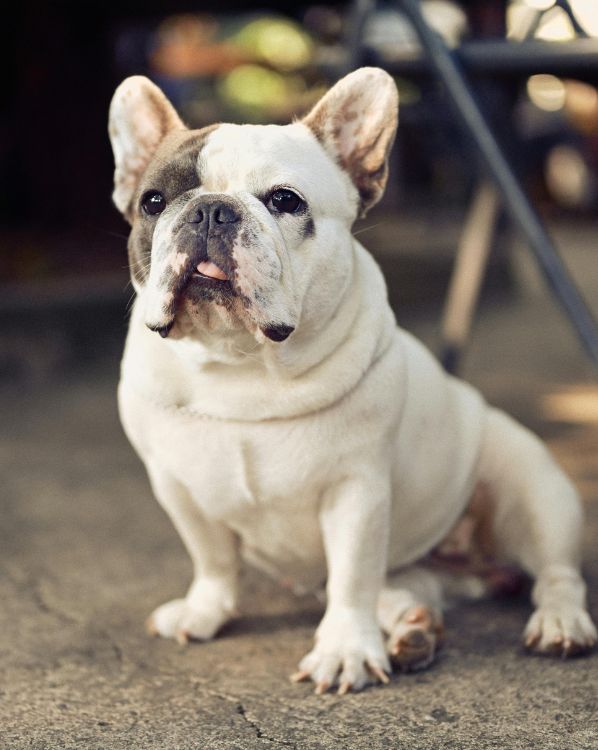
They have a way of making people laugh without even trying. Despite their small stature, however, they do not typically live as long as many other dogs in the same size category. Most reach around 10 to 12 years of age.
The Cavalier King Charles Spaniel often catches people off guard as well. With its soft expression and affectionate nature, it seems like the kind of dog that should be around forever.

Cavaliers are happiest when they are close to their families, whether that means joining a walk or claiming a spot on someone’s lap. While some live longer, the breed’s average lifespan is often shorter than many owners expect from a dog of its size.
Then there is the Boston Terrier, a breed with a personality that often feels larger than the dog itself. Curious, playful, and always ready to join the action, Boston Terriers have remained popular companions for generations.
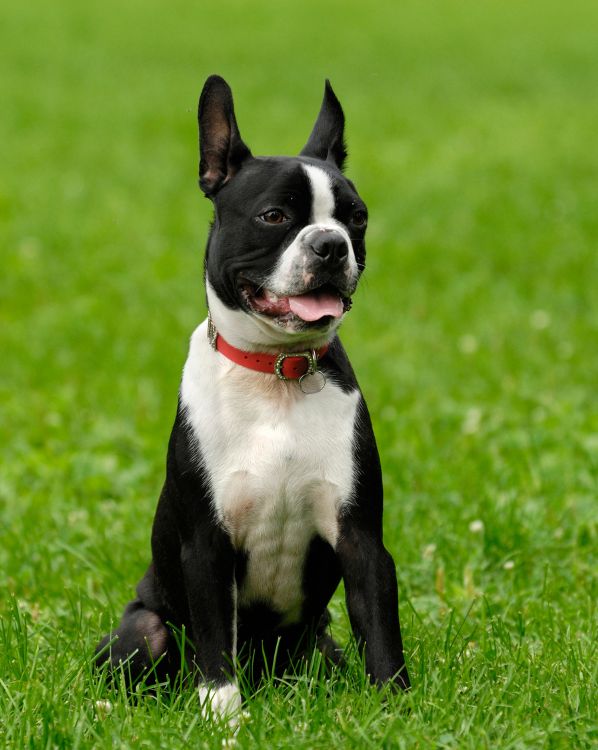
They generally live longer than the giant breeds featured in this article, but their lifespan still tends to fall below that of many other small dogs.
Compared to a Great Dane or Irish Wolfhound, these breeds may seem long-lived. Yet when placed beside other small dogs, they are reminders that size is only part of the longevity equation.
Sometimes the dogs we expect to have the most years ahead of them end up giving us less time than we imagined.
Final Thoughts
Choosing a dog is never just about lifespan. While it is important to understand the realities of certain breeds, most owners do not remember their dogs by the number of years they lived. They remember the companionship, the routines they shared, and the countless little moments that made life better.
Breeds like the Great Dane, Irish Wolfhound, Newfoundland, and Saint Bernard may not have the longest life expectancies, but they have a remarkable ability to leave lasting impressions on the people who love them. Their loyalty, affection, and larger-than-life personalities often make every year feel meaningful.
If you are considering one of these breeds, it is worth going in with realistic expectations. Understanding their typical lifespan can help you prepare for the commitment ahead and focus on giving them the best life possible.
At the end of the day, no amount of time with a beloved dog ever feels like enough. That is simply the price of sharing your life with a companion who gives so much of themselves. The years may be fewer for some breeds, but the memories they leave behind can last a lifetime.