
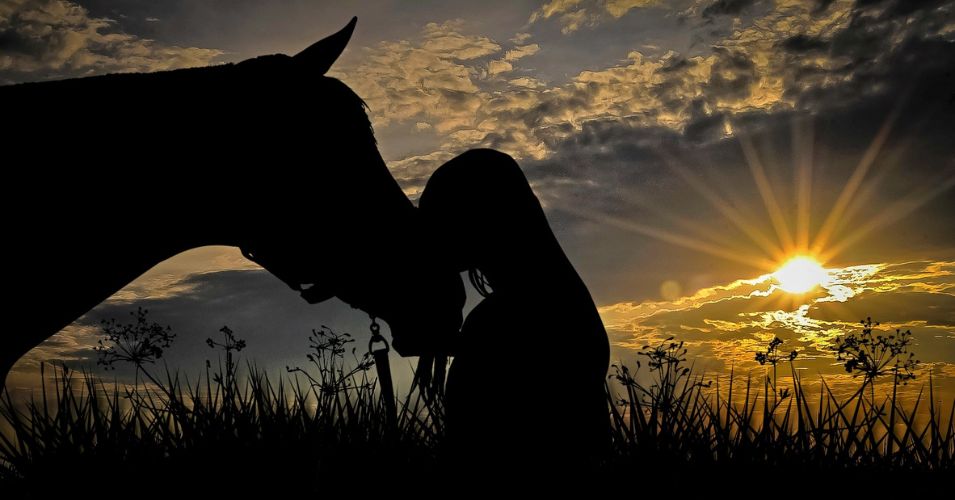
Anyone who has spent time around horses has probably wondered just how much they remember. Some horses seem to recognize familiar people after months or even years apart, while others appear to form deep emotional bonds that last a lifetime.
Stories of horses greeting former owners with excitement are common, but are these heartwarming moments backed by science, or are they simply coincidence?
Understanding how horses remember people can help owners build stronger relationships, improve training, and appreciate the remarkable intelligence these animals possess. Let’s explore what research and real life experiences reveal about whether horses truly remember their past owners.
How Horse Memory Really Works
A horse’s memory is far more impressive than many people realize. While people often associate strong memories with dogs or elephants, horses also have an exceptional ability to store and recall information over long periods. This skill has helped them survive in the wild for thousands of years, where remembering safe locations, dangerous situations, and trusted companions could mean the difference between life and death.
Unlike humans, horses rely heavily on observation and experience. They constantly take in details about their surroundings, paying close attention to sights, sounds, smells, and body language. Instead of forgetting these experiences quickly, they often keep them stored away, especially when they involve something meaningful or emotionally significant.
Research has shown that horses can remember learned tasks for years, even without regular practice. A horse that has been taught a specific cue or routine may respond correctly long after training has stopped. This ability highlights just how durable their long term memory can be when information has been reinforced through positive experiences.
Memory in horses is also closely connected to emotion. Pleasant interactions, such as gentle handling, rewarding training sessions, or consistent care, are more likely to leave lasting impressions. Negative experiences can be remembered just as clearly. A frightening event or rough treatment may cause a horse to remain cautious around similar situations or people well into the future.
This emotional connection explains why consistency is so important when working with horses. Every interaction contributes to the relationship, whether it builds trust or creates uncertainty. Over time, repeated positive experiences become part of the horse’s understanding of a particular person.
Horses also recognize familiar voices, scents, and facial features. Rather than depending on just one clue, they combine several different pieces of information to identify someone they know. Even subtle details, such as the way a person walks or speaks, may become familiar enough for the horse to remember.
Because horses naturally form social bonds within their herds, remembering individuals is an important survival skill. They carry this same ability into their relationships with humans. Instead of viewing people as strangers each day, they often build a mental record of the individuals they encounter regularly, allowing those connections to last much longer than many owners expect.
Can Horses Recognize People After Years Apart?
Many horse owners share stories of emotional reunions after being separated from a beloved horse for years. A horse may lift its head, walk directly toward a familiar person, or respond with relaxed body language that seems to suggest recognition. While every horse is different, scientific research supports the idea that these reunions are more than wishful thinking.
Studies have found that horses can recognize familiar humans using multiple senses. They remember faces, voices, and even individual scents. Instead of relying on a single feature, they combine these clues to determine whether someone is familiar. This layered recognition makes it possible for horses to identify people even when circumstances have changed.
Time alone does not necessarily erase these memories. If a horse formed a strong relationship with a previous owner through daily care, training, or companionship, that person may remain memorable for many years. The strength of the bond often matters more than the length of time apart.
Of course, recognition does not always lead to dramatic displays of affection. Some horses greet familiar people enthusiastically, while others respond in much quieter ways. A relaxed posture, softened eyes, lowered head, or willingness to approach can all be subtle signs that the horse remembers the individual standing in front of them.
It is also important to remember that horses have unique personalities. Some are naturally social and expressive, while others are more reserved. A calm greeting should not be mistaken for a lack of recognition. Just like people, horses show familiarity in different ways.
The quality of past experiences also plays an important role. Horses are more likely to remember owners who consistently treated them with patience, kindness, and clear communication. Positive memories encourage trust, making future encounters feel comfortable rather than uncertain.
On the other hand, horses may also remember people connected with stressful or unpleasant experiences. Their memory is not limited to happy moments. If previous interactions caused fear or discomfort, the horse may react cautiously even after a long separation. This ability to remember both positive and negative experiences demonstrates just how deeply horses process their relationships with humans.
Although researchers continue learning more about equine memory, current evidence strongly suggests that horses are fully capable of recognizing people they have known before, even after years have passed.
What Makes a Horse Remember Someone
Not every person leaves the same impression on a horse. Some individuals become unforgettable, while others fade into the background over time. The difference usually comes down to the quality and consistency of the relationship rather than the number of hours spent together.
Daily interactions play a major role in creating lasting memories. Feeding, grooming, riding, and simple moments of quiet companionship all help a horse associate a person with familiar routines. When these experiences are repeated regularly, they become deeply rooted in the horse’s memory.
Trust is another powerful factor. Horses are naturally cautious animals that constantly assess whether their surroundings are safe. When someone treats them with patience, fairness, and respect, the horse begins to relax in that person’s presence. This sense of security strengthens the bond and makes the relationship much easier to remember months or even years later.
Positive reinforcement also has a lasting effect. Horses quickly learn which people provide rewards, gentle encouragement, or enjoyable experiences. Whether it is a favorite treat after training or a calm scratch in a favorite spot, these pleasant moments create positive associations that reinforce recognition over time.
Communication style matters just as much. Horses become familiar with a person’s voice, posture, movements, and handling techniques. Even small habits, such as speaking softly before entering the stall or using the same cues while riding, become recognizable patterns. These consistent signals help horses identify individuals without relying on a single feature.
Strong emotional experiences can make memories even more durable. A horse that received excellent care during recovery from an illness or injury may develop a particularly strong connection with the person who looked after it. Likewise, memorable adventures, competitions, or long trail rides can strengthen the relationship through shared experiences.
The amount of time spent together is only one piece of the puzzle. A horse may remember someone it knew for a short period if every interaction was calm, meaningful, and consistent. On the other hand, years of inconsistent or distant contact may leave a much weaker impression.
Every encounter contributes to the horse’s opinion of a person. Kindness, reliability, and clear communication gradually build a relationship that stands out from the many faces a horse encounters throughout its life. Those lasting impressions often become the memories that remain long after people have gone their separate ways.
Signs Your Horse Still Remembers a Previous Owner
Horses cannot tell us what they remember, but their behavior often provides valuable clues. When reunited with someone from their past, many horses display subtle changes that suggest the person is far from a stranger. Understanding these signals can help owners recognize genuine familiarity instead of assuming every reaction has the same meaning.
One of the clearest signs is an eagerness to approach. Rather than standing back or watching from a distance, a horse that remembers someone may walk over willingly with relaxed ears and calm body language. This voluntary movement often reflects curiosity and comfort rather than caution.
Facial expressions can also reveal a great deal. Horses that recognize a familiar person may soften their eyes, lower their heads, or appear more relaxed overall. These small changes often indicate that the horse feels secure in the person’s presence.
Another clue is the horse’s response to a familiar voice. Some horses raise their heads, turn their ears toward the sound, or begin looking around as soon as they hear someone speaking. Even before seeing the person, they may already be making the connection between the voice and previous experiences.
Body language during handling is equally important. A horse that remembers a former owner may become easier to halter, groom, or lead compared to how it reacts with unfamiliar people. Familiar routines often return naturally because the horse associates them with someone it already trusts.
Some horses even anticipate activities they previously enjoyed. If a former owner always took the horse on trail rides or followed a particular grooming routine, the horse may respond as though it expects those familiar events to happen again. These reactions suggest that past experiences remain stored in memory.
Of course, not every horse responds with excitement. Some personalities are naturally quiet, and recognition may appear as calm acceptance rather than energetic greetings. A relaxed attitude, willingness to cooperate, and steady confidence can all be meaningful signs of remembrance.
It is also worth remembering that horses can recall difficult experiences as well as pleasant ones. If the relationship was stressful or inconsistent, the horse may appear hesitant or guarded instead of welcoming. This does not necessarily mean the memory has faded. In many cases, it simply reflects the emotions attached to those past interactions.
Building Lasting Bonds That Horses Never Forget
Creating a relationship that lasts in a horse’s memory does not happen overnight. Like any meaningful connection, it develops through repeated experiences that build trust, confidence, and understanding. Every interaction, no matter how small, contributes to the way a horse views the people in its life.
Consistency is one of the most valuable qualities an owner can offer. Horses thrive when they know what to expect, and regular routines help them feel secure. Feeding at similar times, using familiar training cues, and handling them calmly each day all reinforce positive associations. Over time, these dependable experiences become part of the horse’s long term memory.
Patience is equally important. Horses learn at their own pace, and forcing progress often creates stress instead of trust. Allowing a horse time to understand new situations helps build confidence while strengthening the relationship. A calm, reassuring approach often leaves a much more lasting impression than demanding quick results.
Positive experiences also shape the bond between horse and owner. Gentle grooming sessions, rewarding training exercises, and relaxing rides all create enjoyable memories. Even spending quiet time together without asking the horse to work can strengthen the connection. These peaceful moments teach the horse that your presence is associated with comfort rather than pressure.
Good communication makes an enormous difference as well. Horses respond best to clear, consistent signals that help them understand what is expected. Mixed messages or unpredictable handling can create confusion, while steady guidance encourages confidence. When a horse knows it can rely on a person’s cues, trust continues to grow with every interaction.
Respecting the horse’s emotions is another key part of building a lasting relationship. Horses experience fear, curiosity, excitement, and relaxation just as people experience a range of emotions. Paying attention to body language allows owners to respond appropriately, creating a partnership based on understanding instead of force.
Although every horse has its own personality, the strongest relationships often share the same foundation. Kindness, consistency, patience, and mutual trust create memories that remain meaningful for years. Whether you own a horse for a few months or many decades, the way you treat it today may become part of the memories it carries throughout its life.
Final Thoughts
So, do horses remember their past owners? Current research and countless real life experiences suggest that they certainly can. Horses possess impressive long term memories and are capable of recognizing familiar people through a combination of voices, faces, scents, and shared experiences.
The strength of that memory often depends on the relationship that was built. Owners who consistently treated their horses with patience, respect, and care are far more likely to leave a lasting impression. While every horse expresses recognition differently, many continue to remember trusted people long after they have been apart.
This remarkable ability reminds us that every interaction matters. Building trust is not only important for successful training but also for creating a bond that may stay with a horse for years. A relationship based on kindness and consistency is one that many horses are unlikely to forget.