
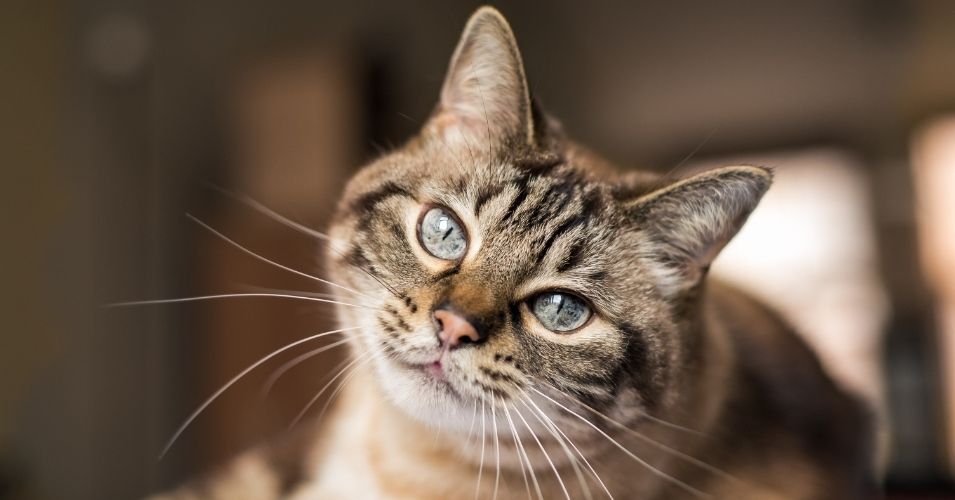
Cats have a quiet way of showing how they feel, but once you learn their habits, it becomes much easier to recognize when they truly enjoy their life. A happy cat often develops routines that feel calm, predictable, and full of trust. They seek out comfort, show affection in their own style, and move through the home with confidence instead of tension.
Some signs are obvious, like purring or playful behavior. Others are more subtle, including the way they sleep, greet you, or react to everyday moments around the house.
Understanding these behaviors can help you build a stronger bond with your cat while also giving you peace of mind that they feel safe, relaxed, and emotionally secure in your care.
Relaxed Body Language Around the House
One of the clearest signs that a cat feels happy with their life is relaxed body language throughout the home. Cats that feel secure usually move with confidence instead of caution. Their muscles stay loose, their tails remain calm, and their posture looks natural rather than tense or defensive.
A content cat often stretches openly in the middle of the floor without worrying about what is happening nearby. They may roll onto their side while resting or even expose part of their belly for short moments. This behavior shows they feel safe enough to let their guard down in their environment.
Their ears also reveal a lot about their emotional state. Happy cats usually keep their ears forward or gently relaxed instead of flattened back against the head. Their eyes may appear soft and half closed while resting near family members or lounging in a favorite spot by the window.
Many relaxed cats enjoy following the sunlight around the house during the day. They settle into comfortable spaces without constantly scanning the room or reacting nervously to every sound. Even when they hear movement, they often respond with curiosity rather than fear.
Another strong clue appears when cats greet people calmly. A satisfied cat may walk toward you with their tail held high and slightly curved at the tip. Some cats rub against legs, furniture, or doorways because scent marking is one way they show comfort and ownership of their surroundings.
You may also notice slow blinking during quiet moments together. Cats often reserve this behavior for people they trust deeply. It is sometimes described as a feline version of a relaxed smile because it reflects emotional ease rather than alertness.
Sleeping positions can reveal emotional comfort as well. Cats that nap with their paws tucked loosely beneath them or stretch out fully across furniture usually feel protected inside the home. A stressed cat tends to remain tighter and more guarded while resting.
Even grooming habits connect closely to body language. Cats that calmly clean themselves in shared living spaces usually feel secure enough to relax instead of hiding away. Small details like these often reveal a cat that genuinely enjoys the life they are living.
Healthy Routines That Stay Consistent
Cats thrive on familiarity, so steady daily habits are often a powerful sign that they feel emotionally balanced. A happy cat usually develops routines that remain predictable from one day to the next. These patterns create comfort because cats naturally prefer environments that feel stable and dependable.
One common example is eating at regular times with steady enthusiasm. Cats that feel good physically and emotionally usually show healthy interest in meals without becoming frantic or withdrawn. They often arrive near the kitchen before feeding time because they trust the routine and know what to expect.
Sleep patterns can also reflect emotional wellbeing. Most cats spend many hours resting, but content cats tend to sleep peacefully instead of hiding constantly or waking in panic. They often rotate between favorite sleeping areas depending on the time of day and the activity around the home.
Bathroom habits provide another important clue. A relaxed cat generally uses the litter box consistently without sudden accidents or unusual behavior. Changes in litter box routines can sometimes point to stress, discomfort, or illness, which is why stable habits often suggest a cat feels secure.
Playtime routines matter too. Happy cats usually return to favorite toys, familiar games, or regular bursts of energy during certain parts of the day. Some race through the hallway in the evening while others wait beside a scratching post each morning before breakfast.
Many cats also create social routines with the people they trust most. They may greet you at the door after work, sit nearby while you watch television, or curl up beside you before bedtime. These repeated behaviors show they enjoy companionship and feel emotionally safe within the household.
Grooming consistency is another encouraging sign. Cats that regularly clean their fur, paws, and face are often maintaining both physical comfort and emotional stability. Overgrooming or neglected coats sometimes appear when stress becomes overwhelming, so balanced grooming habits can signal contentment.
Even vocal habits may settle into predictable rhythms when a cat feels happy. Some cats chirp softly when entering a room while others quietly meow before meals or bedtime. These small routines become part of their everyday life and often reveal a strong sense of comfort with their surroundings.
When a cat follows familiar habits with confidence and calmness, it usually means they feel safe, cared for, and deeply connected to the environment around them.
Affection Shown Through Everyday Behavior
Cats express affection in ways that can seem quiet compared to many other pets, but their daily actions often reveal deep emotional attachment. A happy cat usually finds small opportunities throughout the day to stay connected with the people they trust most. These moments may appear simple at first, yet they carry strong meaning.
Many cats show affection by choosing to remain close even when they are not actively seeking attention. They may sit beside you on the couch, rest near your feet while you work, or quietly follow you from room to room. This behavior often means they enjoy your presence and feel secure around you.
Some cats greet their owners with soft sounds or excited body language after time apart. A raised tail, gentle rubbing, or relaxed purring can all signal emotional comfort. Even cats with independent personalities often create little greeting rituals with the people they love.
Head bumps are another important sign of trust and happiness. Cats use scent glands around their face to mark people they consider safe and familiar. When a cat presses their forehead against your hand or leg, they are often showing affection while also strengthening their sense of connection.
Many content cats enjoy slow, peaceful interaction instead of constant stimulation. They may settle onto your lap for a few quiet minutes or stretch beside you during bedtime. These calm moments often reflect deep trust because cats naturally protect themselves when they feel uncertain.
Purring during relaxed situations can also point toward happiness. While cats sometimes purr for other reasons, soft purring during petting, cuddling, or resting nearby usually reflects emotional ease. The sound often becomes part of the comforting routine they share with their favorite people.
Some cats even bring toys or sit nearby while their owners complete daily tasks. They may not always want direct interaction, but they still enjoy feeling included in the rhythm of household life. This quiet companionship is one of the clearest signs that a cat feels emotionally secure.
Affection from cats is rarely random. Their repeated choices to stay close, communicate gently, and seek familiar contact often reveal a pet that feels deeply satisfied with their home and relationships.
Playful Habits That Reveal Emotional Comfort
Playfulness is one of the strongest indicators that a cat feels relaxed and emotionally healthy. Cats that feel safe usually remain curious about their surroundings and continue showing interest in games, movement, and exploration throughout different stages of life.
Young cats often display obvious bursts of energy, but adult cats also reveal happiness through smaller playful behaviors. A content cat may chase a toy across the floor, leap after a feather wand, or suddenly sprint through the house during an energetic evening moment. These playful actions usually reflect confidence rather than stress.
Happy cats often invite interaction in creative ways. Some paw gently at dangling strings while others wait beside a favorite toy expecting attention. They may crouch behind furniture before pouncing playfully or bat at objects simply because they enjoy the activity and stimulation.
Curiosity also connects closely with emotional comfort. Cats that feel secure tend to investigate new sounds, boxes, bags, or unfamiliar objects instead of immediately hiding. Their interest in exploration shows they feel confident enough to interact with the world around them.
Many relaxed cats maintain playful routines every day. They may become active after meals, during sunset hours, or whenever certain family members arrive home. These repeated habits create excitement and mental stimulation that help cats stay emotionally balanced.
Interactive play with humans can strengthen this emotional security even further. Cats that happily chase toys, roll around during games, or return repeatedly for more interaction are often enjoying both the activity and the companionship. Play becomes part of the trust they build with the people around them.
Even older cats often keep traces of playful behavior when they feel emotionally fulfilled. A senior cat may not race through the house like a kitten, but they might still swat gently at toys, watch birds with excitement, or enjoy small games that keep their mind engaged.
Body language during play reveals important clues too. Happy cats usually keep their movements loose and controlled without signs of fear or aggression. Their ears stay relaxed, and they recover quickly after excitement instead of appearing overwhelmed.
When cats continue showing curiosity, excitement, and interest in playful moments, it often reflects a life where they feel safe, stimulated, and emotionally comfortable inside their home.
Calm Reactions to Home Life and Family Members
A happy cat usually responds to daily household activity with calmness instead of constant fear or tension. While every cat has a different personality, emotionally secure cats often adapt well to the normal sounds and movement that come with family life. They do not spend every moment hiding or reacting nervously to ordinary situations.
Many content cats remain relaxed when people walk through the house, open doors, or carry on conversations nearby. They may briefly look up at a sound before returning to sleep or grooming. This ability to settle quickly often shows they trust their environment and the people around them.
Cats that feel emotionally safe also tend to develop comfortable relationships with household members over time. Some may greet familiar people at the door while others quietly settle near family activities without needing constant attention. Their presence reflects comfort rather than caution.
Children, visitors, and other pets can sometimes create stressful situations for cats, but emotionally balanced cats usually recover from these interactions without long periods of fear. They may observe from a distance at first before calmly returning to their normal routines once things settle down.
Another positive sign appears when cats confidently use shared spaces inside the home. A happy cat often naps openly in living rooms, stretches across furniture, or relaxes near windows instead of remaining hidden in isolated corners. These choices suggest they feel secure enough to let their guard down.
Many cats also learn the rhythms of the household and respond peacefully to familiar routines. They recognize bedtime patterns, feeding schedules, and quiet hours during the day. This sense of predictability helps cats feel emotionally grounded within their environment.
Even during small disruptions, content cats often show resilience. Vacuum cleaners, thunderstorms, or guests may briefly interrupt their comfort, but they usually recover without extreme panic once the disturbance passes. Their ability to return to normal behavior reflects emotional stability.
Trust becomes especially visible through relaxed behavior around loved ones. A happy cat may sleep deeply beside family members, stretch comfortably nearby, or calmly watch daily activity unfold around them. These small moments reveal a cat that feels protected, understood, and truly at home.
Final Thoughts
Cats may not always express emotions as openly as people or dogs, but their everyday behavior can reveal a great deal about how they feel. Relaxed body language, steady routines, playful moments, and quiet affection often point toward a cat that feels safe and satisfied with their life.
Every cat has a unique personality, so happiness may appear differently from one pet to another. Some cats become highly social while others prefer calm companionship from a short distance.
The most important sign is consistency. When cats feel emotionally secure, they usually settle into peaceful habits that reflect trust, comfort, and confidence within their home.