
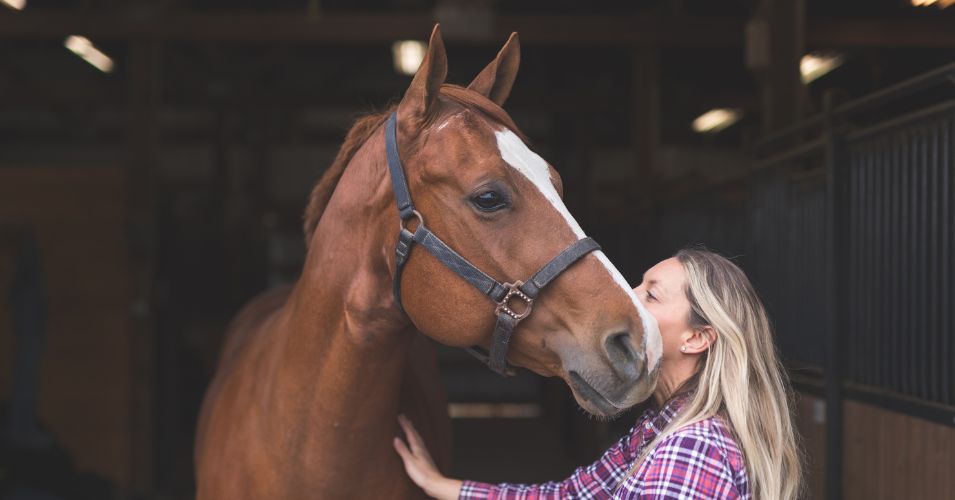
Horses are powerful, intelligent animals that form relationships very differently from people. They do not express trust with words or dramatic gestures. Instead, they communicate through quiet actions, body language, and consistent behavior. When a horse truly bonds with you, the signs can be subtle, but they are deeply meaningful once you know what to look for.
Building that kind of connection takes patience, kindness, and time.
The reward is a partnership based on mutual trust rather than simple obedience. Understanding the small moments that reveal your horse’s feelings can help you strengthen that relationship and become a better companion every time you are together.
Your Horse Chooses to Be Near You
One of the clearest signs that your horse has formed a genuine bond with you is a simple one. They choose your company even when they have no reason to. That decision speaks volumes because horses are naturally drawn toward people and animals they consider safe.
You might notice your horse walking toward the gate as soon as they spot you arriving. Instead of staying with the herd or wandering to the far side of the field, they make the effort to come closer. That greeting is not always about expecting food. In many cases, it reflects familiarity, comfort, and positive experiences built over time.
This behavior often continues once you are together.
A bonded horse may stand nearby while you prepare tack, clean equipment, or simply spend time in the stable. They are not constantly shifting away or searching for an escape. Instead, they appear content to share the same space, even when nothing exciting is happening.
Many owners also notice that their horse follows them around the pasture or arena without being asked. This is different from trained exercises where the horse has learned specific cues. Rather, it happens naturally because the horse feels secure and interested in staying close. They may mirror your pace, stop when you stop, or quietly trail behind as you walk.
Even during relaxed moments, this preference for your company becomes clear. A horse that trusts you may lower its head beside you while grazing or remain calm when you sit quietly nearby. These peaceful interactions strengthen the relationship because they are based on choice instead of expectation.
It is important to remember that every horse has its own personality. Some are naturally affectionate and enjoy close contact, while others express trust in quieter ways. A reserved horse may never follow you everywhere, yet consistently choosing to stand nearby can be just as meaningful.
The strongest bond is not measured by dramatic displays. It is revealed through steady, everyday decisions. When your horse repeatedly seeks your presence without pressure or reward, it is often a heartfelt sign that they see you as someone they trust and enjoy being around.
Trust Shows Through Relaxed Body Language
A horse’s body language often reveals far more than its actions alone. Since horses rely heavily on nonverbal communication, their posture, facial expressions, and movements can tell you exactly how they feel in your presence. When a horse has bonded with you, those physical signals usually become softer and more relaxed.
Start by looking at the ears.
Many people assume forward ears always indicate happiness, but relaxed ears that gently move between you and the surrounding environment are often a better sign. Your horse is paying attention without feeling tense or worried. They feel comfortable enough to stay aware while remaining at ease.
The eyes also offer valuable clues.
A horse that trusts you typically has soft eyes with little visible tension around them. Rapid blinking, wide eyes, or constant scanning of the surroundings can suggest uncertainty. In contrast, calm eyes paired with a peaceful expression often indicate that your horse feels safe in your company.
Their head and neck position can speak just as clearly.
A horse that regularly lowers its head while standing near you is often showing confidence and relaxation. Since lowering the head places a horse in a more vulnerable position, it is usually something they do when they believe there is no immediate threat. Combined with a loose neck and relaxed muscles, this posture reflects genuine comfort.
Small details matter as well.
You may notice your horse licking and chewing after a training session or while you gently groom them. They might sigh, rest a hind leg, or allow their lower lip to become loose. These quiet behaviors often appear when physical and mental tension has disappeared.
Of course, body language should always be viewed as a complete picture rather than focusing on a single signal. A horse may lower its head because it is tired, just as pinned ears can appear briefly during everyday interactions without indicating a damaged relationship.
When several relaxed behaviors appear together on a regular basis, they paint a much clearer picture. A horse that stands calmly beside you with soft eyes, relaxed muscles, and an easy posture is showing one of the strongest signs of trust. That level of comfort is rarely given freely. It develops through consistent care, respectful handling, and many positive experiences shared over time.
Small Everyday Behaviors Reveal a Strong Connection
The strongest relationships are often built through small moments rather than unforgettable events. The same is true when it comes to horses. While impressive displays of trust may stand out, the everyday habits your horse develops around you often reveal an even deeper connection.
Grooming is one of the first places these behaviors become noticeable.
A horse that has bonded with you is more likely to stand quietly during grooming instead of constantly shifting its feet or pulling away. They may even lean gently into the brush when you scratch a favorite spot, showing that they enjoy both the attention and your company. This simple moment reflects comfort that has been earned over many positive experiences.
You may also notice your horse paying close attention to your movements.
Instead of becoming distracted by everything happening around them, they frequently glance in your direction and respond to subtle changes in your position. They are aware of where you are without appearing nervous or overly dependent. This quiet attentiveness is a sign that they value your presence.
Many horses also develop small greeting rituals with the people they trust most.
Some will nicker softly as you approach the stable, while others stretch their nose toward you for a gentle sniff. A few may even wait patiently by the gate at the time they expect you to arrive. These routines become familiar parts of your relationship and often happen without any encouragement.
Respect for personal space is another overlooked sign of a healthy bond.
A connected horse does not constantly crowd, push, or ignore your boundaries. Instead, they remain close while still respecting your space. This balance shows they feel comfortable around you and understand how to interact politely without being reminded every moment.
These behaviors may seem ordinary on their own.
Together, however, they create a picture of a horse that enjoys being with you. Trust is rarely expressed through one dramatic action. More often, it appears through dozens of quiet habits that become part of your daily routine. Those consistent moments are what transform a horse and owner into genuine partners.
Working Together Becomes Easier
A horse that trusts you does not suddenly become perfect, but working together often feels smoother and more enjoyable. As your relationship grows stronger, communication improves because your horse becomes more willing to listen, respond, and cooperate. Instead of questioning every request, they begin to understand what you are asking and feel confident following your guidance.
This change often starts on the ground.
Leading becomes more relaxed as your horse matches your pace without constant corrections. They stop when you stop, turn without resistance, and remain focused even when there are distractions nearby. These simple improvements reflect growing trust just as much as good training.
The same partnership carries into riding.
Your horse may respond more willingly to light cues rather than needing repeated reminders. Transitions become smoother, steering feels more natural, and there is less tension throughout the ride. Rather than working against you, your horse starts working with you because they understand and trust your direction.
Difficult situations also reveal how strong your bond has become.
Every horse encounters unfamiliar sights, loud noises, or unexpected challenges from time to time. A bonded horse is often more likely to look to you for reassurance instead of reacting immediately with fear. They may pause, listen, and regain confidence because your calm response helps them feel secure.
That does not mean they will never spook or become nervous.
Horses are prey animals, and their instincts will always play a role in how they react. The difference is that a trusting horse usually recovers more quickly and becomes easier to settle once they recognize your guidance.
This growing cooperation should never be mistaken for complete obedience.
Healthy partnerships are built on mutual respect rather than control. A horse that willingly works alongside you is responding because positive experiences have shown them that you are fair, consistent, and dependable.
Over time, these shared experiences create a connection that extends beyond training sessions. Each successful ride, quiet walk, and calm interaction adds another layer of confidence. The result is a partnership where communication feels effortless because both horse and rider have learned to trust one another.
Growing the Bond for Years to Come
A strong bond with your horse is never something you achieve once and then forget about. Like any meaningful relationship, it continues to grow through everyday interactions. Every grooming session, ride, and quiet moment together shapes how your horse sees you and strengthens the trust you have already built.
Consistency is one of the most valuable gifts you can offer your horse.
Horses thrive on routine and clear expectations. When you handle them with patience and fairness each time you are together, they learn that they can rely on you. This dependable approach creates confidence because your horse knows what to expect, even in unfamiliar situations.
Spending time together without asking for anything in return is just as important.
Not every visit needs to involve riding or training. Simply standing with your horse in the field, grooming them without rushing, or taking a relaxed walk can deepen your connection. These peaceful moments remind your horse that your relationship is about more than work.
Listening to your horse is another important part of maintaining a lasting partnership.
Every horse communicates differently through posture, movement, and behavior. Paying attention to those signals allows you to respond with understanding instead of frustration. When your horse feels heard, trust continues to grow because they learn that their comfort and wellbeing matter to you.
Progress is rarely a straight line.
There will be days when your horse feels distracted, nervous, or less responsive than usual. Rather than viewing these moments as setbacks, see them as opportunities to show patience. Remaining calm during difficult situations often strengthens the relationship more than everything going perfectly.
It also helps to celebrate the small victories.
A calm grooming session, a confident walk past something that once caused fear, or a relaxed ride are all meaningful milestones. These quiet successes may not seem dramatic, but they are evidence that your partnership is becoming stronger with every shared experience.
The most rewarding horse and rider relationships are built over months and years rather than days or weeks. Trust develops gradually through countless positive interactions, and each one adds another layer to the connection you share. By treating your horse with kindness, consistency, and respect, you create a partnership that continues to deepen throughout your time together.
Final Thoughts
A horse that has bonded with you may not express affection in the same way a dog or cat would, but the signs are just as meaningful. From choosing to stand nearby and showing relaxed body language to responding willingly during training, these quiet behaviors reflect a relationship built on trust and mutual respect.
Every horse has a unique personality, so the signs may look slightly different from one animal to another. The key is to focus on steady patterns instead of expecting dramatic moments. Strong partnerships are created through patience, consistency, and positive experiences shared over time.
As you continue building that connection, remember that trust is something to be earned every day. The more your horse feels safe, understood, and respected, the stronger your bond will become. In return, you gain more than a willing riding partner. You gain the companionship of an animal that genuinely enjoys being by your side.