
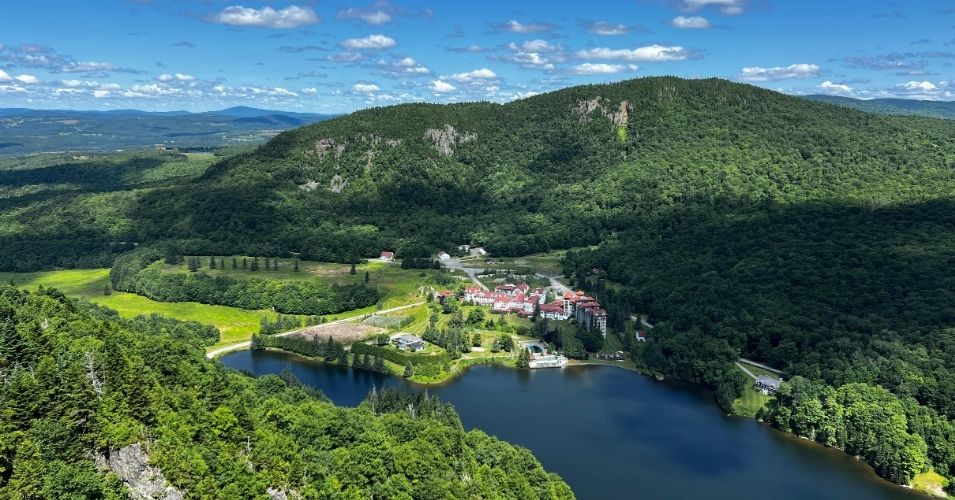
New Hampshire attracts many retirees because of its quiet scenery, charming small towns, and reputation for natural beauty throughout every season. Lakeside communities, mountain views, and peaceful neighborhoods can make the state seem like the perfect place to enjoy retirement at a slower pace.
What many retirees discover later is that everyday life in certain parts of New Hampshire can become far more difficult than expected. Expensive housing, long winters, crowded tourist seasons, and limited transportation options can slowly create stress that affects both comfort and financial stability.
Some towns remain attractive for vacations yet become harder to manage for full time retirement living. Before settling down in New Hampshire, it helps to understand which areas may create challenges that become more noticeable with age.
Housing Costs That Stretch Retirement Budgets
Many retirees move to New Hampshire expecting lower taxes to balance out their retirement expenses, but housing prices in several desirable areas often create financial pressure that catches newcomers off guard. Property costs have climbed steadily in recent years, especially in communities that attract older residents looking for peace, safety, and scenic surroundings.
In Portsmouth, retirees frequently discover that even modest homes can carry surprisingly high price tags compared to nearby states. Smaller properties near downtown areas or along the coast often attract heavy competition, which pushes prices even higher and limits affordable choices for people living on fixed retirement income.
The pressure does not stop after purchasing a home because maintenance expenses also continue rising throughout the year. Older homes common across New Hampshire may require heating upgrades, roof repairs, insulation work, or snow related maintenance that becomes expensive over time.
Retirees considering Wolfeboro may initially fall in love with the quiet lake atmosphere and postcard style scenery. The town feels calm during certain seasons, yet the demand for homes around the lake keeps prices elevated and leaves fewer affordable options available for retirees hoping to downsize comfortably.
Utility bills can also become a major burden during the colder months. Heating costs often increase sharply during long winters, especially for retirees living in older homes that struggle to hold warmth efficiently.
Some retirees eventually realize they are spending far more on housing than expected while sacrificing flexibility in other areas of life. Dining out less often, postponing travel plans, or delaying healthcare decisions sometimes becomes part of managing the higher monthly expenses.
New Hampshire still offers beauty and charm, but retirees hoping for affordable long term living may find that certain towns quietly place too much strain on retirement savings. A location that feels peaceful at first can become financially stressful once everyday costs begin stacking together month after month.
Limited Public Transportation Creates Daily Challenges
Reliable transportation becomes increasingly important during retirement, especially for older adults who no longer want to drive long distances during poor weather or heavy traffic conditions. In many parts of New Hampshire, however, public transportation options remain extremely limited and force retirees to depend heavily on personal vehicles for nearly every daily activity.
In Keene, retirees often appreciate the slower pace and walkable downtown atmosphere at first. The problem appears later when medical appointments, grocery stores, or specialty services require longer trips beyond the immediate town center where public transportation becomes far less dependable.
Many bus routes across smaller New Hampshire communities operate on limited schedules that may not match medical appointments or shopping needs conveniently. Missing one bus can sometimes leave retirees stranded for hours or force expensive rideshare arrangements that quickly add to monthly expenses.
Winter weather creates another layer of difficulty for seniors who rely on transportation assistance. Snowstorms, icy roads, and freezing temperatures can disrupt routes or make waiting outdoors physically uncomfortable for older residents.
Retirees living near Conway may enjoy the mountain scenery and quieter pace outside tourist seasons, yet transportation challenges can slowly become frustrating over time. Daily errands often require driving through crowded seasonal traffic while public transit choices remain limited compared to larger metropolitan regions.
Some retirees eventually reduce how often they leave home simply because transportation becomes exhausting to coordinate. Social activities, community events, and even healthcare visits may happen less frequently when reliable alternatives to driving are difficult to find.
Family members living out of state may also struggle to help aging relatives who can no longer drive confidently. In communities with limited transit systems, losing the ability to drive often changes daily independence much faster than many retirees expect.
New Hampshire offers beautiful retirement scenery, but transportation limitations in certain towns can quietly create isolation and inconvenience that become harder to manage with age.
High Living Expenses Reduce Financial Comfort
Many retirees move to New Hampshire believing the lack of a state income tax will automatically make retirement more affordable. While that benefit certainly helps some households, everyday living expenses in several retirement friendly areas can still place serious pressure on fixed monthly budgets.
In Hanover, retirees often find that ordinary costs feel much higher than expected once they settle into daily life. Groceries, restaurant meals, home repairs, and professional services frequently cost more than retirees anticipate, partly because the town attracts a well educated and higher income population connected to the nearby college community.
Simple errands can slowly become expensive routines over time. Dining out regularly, hiring seasonal help for yard maintenance, or paying contractors for snow removal may seem manageable at first, yet these recurring costs gradually consume a larger share of retirement savings.
Healthcare expenses also contribute to financial stress for many older adults. Even retirees with insurance coverage may face rising out of pocket costs for prescriptions, specialist visits, dental work, or physical therapy services throughout the year.
Retirees considering Exeter are often drawn to its historic charm and comfortable small town atmosphere. The area feels attractive for long term living, but housing costs combined with higher prices for utilities, groceries, and local services can quietly reduce the financial flexibility many retirees hoped to enjoy.
Winter utility bills become especially difficult during colder months. Heating oil, electricity, and home maintenance costs often rise sharply during long stretches of freezing weather, leaving some retirees searching for ways to cut back elsewhere.
The financial strain becomes more noticeable when retirees try balancing leisure activities with practical expenses. Travel plans, hobbies, dining experiences, and visits with family may become less frequent once monthly living costs continue climbing year after year.
New Hampshire still provides scenic beauty and appealing communities, but some towns create a retirement lifestyle that feels less financially comfortable than expected. What appears manageable during the first year may slowly become harder to sustain over the long term.
Tourist Crowds Disrupt Peaceful Retirement Living
Many retirees search for quiet surroundings where daily life feels slower, calmer, and less stressful after years of busy schedules and crowded cities. Certain New Hampshire towns appear perfect for that goal during quieter months, yet heavy tourist seasons can dramatically change the atmosphere for local residents.
In North Conway, retirees often enjoy the mountain scenery, nearby shops, and access to outdoor recreation. The town feels welcoming during slower periods, but tourist traffic can quickly overwhelm roads, restaurants, and parking areas once vacation seasons arrive.
Fall foliage months often bring some of the largest crowds. Visitors pour into the region searching for scenic drives and seasonal activities, which creates traffic backups, packed sidewalks, and long waits at local businesses that retirees normally rely on for daily errands.
The summer months can become equally frustrating in popular vacation regions. Crowded attractions, increased noise, and busy roads sometimes make simple routines far more exhausting than expected for older residents seeking a peaceful retirement lifestyle.
Retirees living near Lincoln may also discover that tourism reshapes daily life more than anticipated. Ski seasons and holiday weekends often bring heavy congestion that changes the pace of the entire community and makes local travel slower and more stressful.
Restaurants and small businesses sometimes prioritize tourist demand during busy periods, which can lead to higher prices and reduced availability for year round residents. Retirees hoping for relaxed evenings out may instead encounter packed dining rooms and long reservation waits throughout peak seasons.
Parking also becomes an ongoing frustration in heavily visited areas. Seniors trying to attend appointments, shop locally, or meet friends may struggle finding convenient parking during major tourism periods.
Many retirees enjoy occasional energy and activity within a community, but constant seasonal crowds can slowly wear down the quiet retirement experience they originally wanted. A town that feels peaceful during one season may become far more hectic once tourists arrive in large numbers year after year.
Difficult Weather Throughout Long New Hampshire Winters
New Hampshire winters can feel beautiful during the first snowfall, especially for retirees hoping to enjoy classic New England scenery and cozy small town living. The reality becomes much harder once freezing temperatures, icy roads, and repeated snowstorms settle in for months at a time.
In Laconia, retirees often enjoy the lake views and quieter atmosphere outside the summer season. Winter arrives with a very different experience because snow accumulation, slippery sidewalks, and bitter cold temperatures can make ordinary errands physically exhausting for older adults.
Driving conditions become especially stressful during icy mornings and heavy snowstorms. Even retirees who feel confident behind the wheel may begin avoiding unnecessary trips once roads become slick and visibility drops during winter weather events.
The physical demands of winter maintenance also become more difficult with age. Shoveling snow, clearing driveways, scraping ice from vehicles, and preventing falls around the home can quickly turn into major concerns for retirees living alone.
Retirees considering Littleton may appreciate the mountain scenery and slower pace of life throughout much of the year. Long winters, however, often bring stretches of freezing temperatures that limit outdoor activity and create feelings of isolation for seniors who prefer staying active socially.
Cabin fever becomes a real issue during extended cold periods. Some retirees spend weeks indoors more often than expected because snowstorms and freezing winds make outdoor activities uncomfortable or unsafe.
Heating expenses add another layer of stress throughout the colder months. Homes in northern New England often require constant heating during winter, and rising fuel costs can place additional pressure on retirees trying to maintain stable monthly budgets.
Winter weather can also affect healthcare access when appointments need to be postponed because of road conditions or storms. Older adults managing ongoing medical concerns may find these disruptions particularly frustrating and difficult to navigate.
New Hampshire offers incredible natural beauty, but retirees who struggle with cold weather or long winters may eventually find the climate far more demanding than relaxing. A peaceful snowy setting can slowly become physically tiring and emotionally draining after several difficult winters in a row.
Final Thoughts
New Hampshire continues to attract retirees because of its scenery, historic towns, and quieter pace compared to larger parts of the Northeast. For some people, those benefits outweigh the challenges and create a rewarding retirement experience.
Others may discover that expensive housing, rising daily costs, difficult winters, and transportation limitations slowly reduce the comfort they hoped retirement would bring. Tourist congestion in certain towns can also make peaceful living harder to maintain during busy parts of the year.
The best retirement decision comes from looking beyond vacation appeal and focusing on long term practicality. Understanding the challenges certain New Hampshire communities present can help retirees choose a location that supports both financial stability and everyday comfort for the years ahead.