
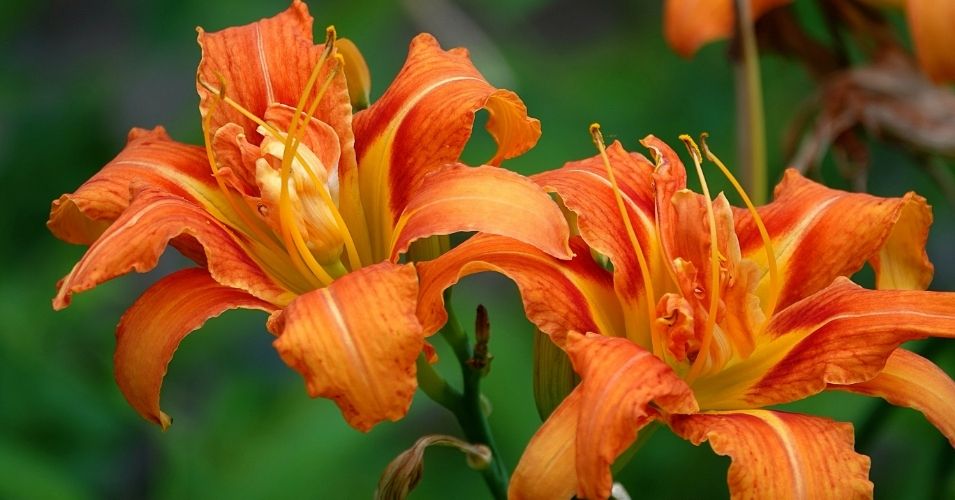
Daylilies are known for their bright flowers and reliable growth, which is why so many gardeners love having them in their yards.
Even though each bloom only lasts for a short time, these plants can continue producing fresh flowers for weeks when cared for properly. One question that often comes up is whether deadheading actually helps or if it simply adds another garden chore.
The answer depends on what you want from your plants. Some gardeners deadhead to encourage cleaner growth and more blooms, while others leave the faded flowers in place because they prefer a more natural look. Understanding how daylilies respond can help you decide what works best for your garden and your schedule.
Daylilies also change throughout the season, so the right approach in early summer may not be the same later on. A few small choices can make a noticeable difference in how healthy and attractive your plants remain during the hottest months of the year.
Why Daylily Blooms Fade So Quickly
Daylilies are unusual because each flower is designed to last for only one day. A bloom may open early in the morning, look beautiful through the afternoon, and begin to wilt by evening. This short bloom cycle is completely natural and does not mean the plant is unhealthy or struggling.
Many gardeners become concerned when they notice flowers collapsing so quickly, especially after waiting weeks for buds to appear. The good news is that daylilies make up for this short flower life by producing many buds on a single stem. As one flower fades, another usually opens soon after.
Warm weather can make the fading process happen even faster. During very hot summer days, blooms may begin closing earlier than expected because strong sunlight and heat place stress on delicate petals. Heavy rain and wind can also shorten the life of each flower.
Some varieties naturally hold their blooms longer than others. Certain modern hybrids remain open into the evening, while older varieties may look tired before the afternoon is over. Color can also play a role, since darker blooms sometimes fade faster under intense sunlight.
The structure of the flower itself explains why this happens. Daylily petals are soft and full of moisture, which makes them look rich and vibrant but also fragile. Once the bloom has completed its purpose of attracting pollinators, the plant redirects energy toward opening the next flower instead of preserving the old one.
This quick cycle actually helps extend the overall flowering season. Instead of maintaining one bloom for many days, the plant focuses on producing a steady display over several weeks. That is why mature clumps can continue looking colorful even though individual flowers disappear quickly.
Gardeners who understand this natural rhythm are often less disappointed when blooms begin collapsing. The fading flowers are simply part of the plant’s normal process rather than a sign that something has gone wrong. Watching the daily cycle can even become part of the enjoyment of growing daylilies.
Healthy plants usually produce enough buds to keep the display going without interruption. Proper sunlight, watering, and occasional feeding help support stronger stems and more reliable blooming throughout the season.
By late summer, the pace may begin slowing down as the plant prepares for the next stage of growth. Even then, the short lived flowers remain one of the unique features that make daylilies different from many other garden perennials.
What Deadheading Can Do for Future Flowers
Deadheading daylilies mainly improves the appearance of the plant, but it can also support better blooming throughout the season. Removing faded flowers keeps the plant looking neat and prevents piles of wilted petals from collecting around the stems. This simple task can make a garden bed appear fresher almost immediately.
Many gardeners notice that daylilies seem more vibrant after old blooms are removed regularly. Fresh buds become easier to see, and the plant directs attention toward healthy flowers instead of shriveled petals. The overall display often looks cleaner and brighter.
Deadheading may also help the plant conserve energy. When spent flowers remain attached, some varieties begin forming seed pods. Producing seeds requires effort from the plant, which means less energy may be available for future blooms and healthy foliage.
By removing faded flowers before seed pods develop, gardeners encourage the plant to continue focusing on flower production. While deadheading will not completely transform a weak plant into a heavy bloomer, it can help healthy daylilies maintain a stronger performance during the season.
Another benefit is improved airflow around the plant. Old flowers can become damp after rain or watering, especially in thick garden beds. Removing them reduces trapped moisture and lowers the chance of minor fungal issues developing around crowded stems.
Deadheading also gives gardeners a chance to inspect their plants more closely. While removing old blooms, it becomes easier to notice damaged leaves, insect activity, or stems that need trimming. Catching small problems early often prevents larger issues later in the summer.
The process itself is simple and does not require special tools. Most faded blooms can be pinched off gently with your fingers. The soft flower stem usually separates easily without harming nearby buds that are preparing to open.
Timing matters as well. Many gardeners prefer checking their plants every morning because faded blooms are easy to spot after a fresh round of flowers opens. A few minutes of attention every couple of days is often enough to keep daylilies looking attractive.
Even though deadheading can help maintain strong flowering, perfection is not necessary. Missing a few old blooms will not ruin the plant. Daylilies are resilient perennials that continue growing well even when gardeners are less consistent with maintenance.
For people who enjoy a tidy garden, deadheading often feels worthwhile because of the immediate visual improvement. Others may simply appreciate how the practice encourages a longer lasting and healthier floral display throughout the growing season.
Situations Where Leaving Old Blooms Makes Sense
Not every gardener feels the need to remove faded daylily flowers every day. In many situations, leaving old blooms in place is perfectly reasonable and does not seriously harm the plant. Daylilies are tough perennials that can continue growing and blooming even when they receive very little attention.
People with large garden beds often choose a more relaxed approach. When dozens or even hundreds of daylilies are blooming at once, deadheading every flower can become time consuming. Some gardeners prefer spending that energy on watering, weeding, or caring for more delicate plants instead.
A natural style garden is another reason many people skip deadheading. Cottage gardens and informal landscapes often look more appealing when plants are allowed to follow their normal growth cycle. Faded blooms blend into the foliage and become less noticeable among surrounding flowers and greenery.
Pollinator friendly gardens may also benefit from leaving some blooms untouched. While daylilies are not the top choice for every pollinator, seed formation and natural plant aging can still contribute to a more balanced outdoor environment. Some gardeners simply enjoy letting plants complete their full seasonal cycle without interruption.
Busy schedules are another practical reason to leave old blooms alone. During hot summer weeks, many people do not have time to inspect garden beds every day. Fortunately, daylilies are forgiving plants that usually continue blooming despite occasional neglect.
Certain varieties naturally hide fading flowers better than others. Some blooms dry up quickly and fall away on their own, making deadheading less necessary. Dense foliage can also disguise spent blooms so the plant still appears tidy from a distance.
Weather conditions sometimes make maintenance difficult as well. During periods of heavy rain or intense heat, gardeners may decide it is better to avoid unnecessary stress on themselves or the plants. Missing a few rounds of deadheading during difficult weather rarely causes lasting problems.
Older gardeners or people with mobility concerns may also choose a simpler care routine. Constant bending and trimming can become tiring, especially during the hottest parts of summer. In these cases, enjoying the flowers without worrying about perfect maintenance often makes gardening more enjoyable.
At the end of the season, many gardeners stop deadheading altogether. As blooming slows down, allowing the plant to rest naturally becomes more important than maintaining a polished appearance. The fading flowers become part of the transition toward dormancy and cooler weather.
Simple Ways to Keep Plants Looking Fresh
Keeping daylilies attractive throughout summer does not require complicated care. A few simple habits can help plants stay healthy, colorful, and neat even during long stretches of hot weather. Small efforts done regularly often make a bigger difference than occasional heavy maintenance.
One of the easiest ways to improve appearance is removing wilted blooms every couple of days. Faded flowers tend to stick to stems and become brown quickly in the heat. Pinching them off before they dry completely keeps the plant looking cleaner and allows fresh blooms to stand out more clearly.
Trimming yellow or damaged leaves also helps refresh the plant. Older foliage near the bottom sometimes begins declining during mid to late summer. Removing these worn leaves improves airflow and gives the clump a healthier appearance without affecting blooming.
Watering properly plays a major role in appearance as well. Daylilies handle dry conditions better than many flowers, but long periods without moisture can cause drooping leaves and smaller blooms. Deep watering during especially hot weeks helps plants maintain stronger growth and richer color.
Mulch can make a noticeable difference around daylilies. A light layer of mulch helps the soil stay cooler and slows moisture loss during sunny weather. It also reduces weeds that compete with the plants for nutrients and make flower beds look messy.
Spacing is another important detail that many gardeners overlook. Overcrowded daylilies can appear tangled and tired after several years of growth. Dividing large clumps every few years helps plants regain their shape and encourages stronger flowering.
Feeding daylilies lightly during the growing season may also improve their overall look. Too much fertilizer can create weak leafy growth, but balanced feeding supports healthier foliage and better bud production. Plants with steady nutrition often stay attractive longer into the season.
Regular garden cleanup around the plants matters too. Fallen petals, weeds, and dead leaves can collect quickly during summer storms or windy weather. Clearing away debris helps flower beds appear brighter and more organized.
Morning care routines are often the most effective because blooms are fully open and easy to inspect. A quick walk through the garden with simple trimming and cleanup usually takes only a few minutes. That small amount of attention can keep daylilies looking fresh for weeks.
Even gardeners who prefer low maintenance landscapes can benefit from these basic habits. Daylilies naturally grow well in many conditions, but a little care helps them remain one of the most eye catching flowers in the summer garden.
Common Mistakes That Affect Long Term Growth
One of the most common mistakes gardeners make with daylilies is cutting back too much healthy foliage too early. After blooming slows down, the leaves still collect energy that the plant stores for the following season. Removing large amounts of green growth too soon can weaken future flowering and reduce overall vigor.
Some gardeners also confuse normal fading with disease. Daylily leaves naturally decline later in the season, especially during heat or dry weather. Overreacting with heavy trimming or excessive treatments can create unnecessary stress for the plant instead of helping it recover.
Overwatering is another issue that affects long term health. While daylilies appreciate moisture during hot weather, constantly soggy soil can damage roots over time. Poor drainage often leads to weaker growth and fewer flowers during future summers.
Planting daylilies too closely together can also create problems after several years. Young plants may look spaced properly at first, but mature clumps expand quickly. Crowded plants compete for nutrients, trap moisture around the leaves, and produce fewer blooms as the center becomes dense.
Too much fertilizer is another mistake many gardeners do not expect. Heavy feeding can push excessive leafy growth while reducing flower production. Plants may appear lush at first, but overly soft growth often struggles during extreme summer conditions.
Ignoring old flower stems after blooming ends can gradually affect appearance as well. Tall dried stalks left standing too long make garden beds look untidy and may pull energy away from healthy growth. Removing them once flowering has finished helps the plant redirect its focus.
Some gardeners divide daylilies too often because they believe frequent moving improves blooming. In reality, plants usually need time to settle and establish strong roots. Constant transplanting can interrupt growth and delay flowering for more than one season.
Lack of sunlight is another hidden problem that slowly affects performance. Daylilies generally bloom best with several hours of direct sun each day. Plants growing in increasing shade may survive well but gradually produce fewer flowers over time.
Skipping routine observation can also create larger problems later. Small signs of stress, insect activity, or crowded growth are easier to correct when noticed early. Spending a few minutes checking plants regularly often prevents long term decline.
Healthy daylilies are resilient and forgiving, which is one reason they remain so popular. Avoiding a handful of common mistakes can help them stay colorful, strong, and dependable for many years.
Final Thoughts
Deadheading daylilies is not absolutely necessary, but it can improve the appearance of your plants and help maintain a cleaner garden throughout the season. Removing faded blooms encourages attention toward fresh flowers and keeps clumps looking bright during the busiest weeks of summer.
At the same time, skipping deadheading occasionally will not ruin healthy plants. Daylilies are adaptable perennials that continue growing well even with minimal maintenance, which makes them a favorite for both experienced gardeners and beginners.
The best approach often depends on how you want your garden to look and how much time you want to spend caring for it. With simple attention, proper watering, and occasional cleanup, daylilies can continue producing beautiful blooms year after year.