
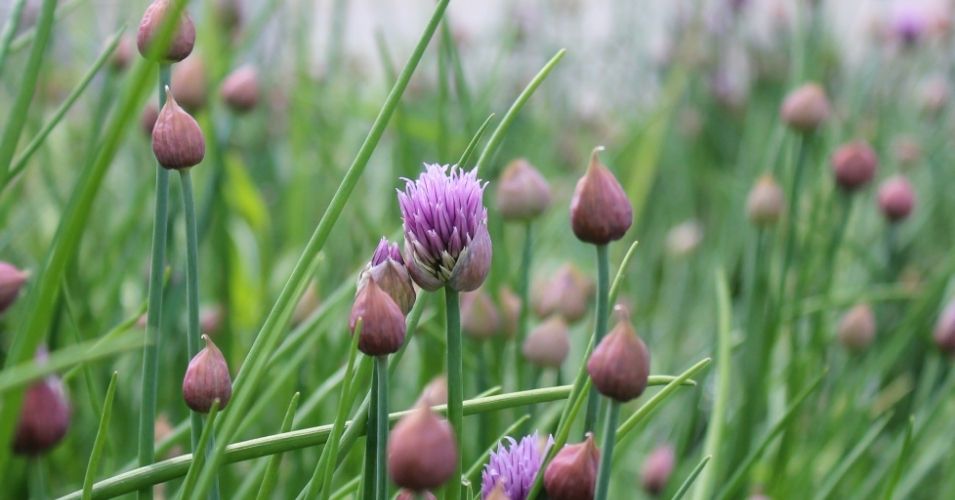
Chives are one of the easiest herbs to grow, which is part of the reason so many gardeners love them. Their thin green leaves return year after year, often with very little effort. Then, just as the plants become full and healthy, round purple flowers begin to appear above the foliage.
Some gardeners quickly cut those blooms away, while others leave them alone and enjoy the color they bring to the garden. The choice may seem simple at first, but flowering can affect flavor, growth, pollinators, and even the future shape of the plant.
Understanding what happens when chives bloom can help you decide what works best for your garden, your kitchen, and the way you want your herbs to grow throughout the season.
What Chive Flowers Mean for Plant Growth
When chives begin to flower, the plant enters a new stage of its seasonal cycle. Instead of putting all its energy into producing fresh green leaves, it starts directing some of that energy toward creating blooms and seeds. This is a natural process that happens as temperatures rise and daylight hours become longer.
The appearance of flowers does not mean the plant is unhealthy. In fact, blooming often shows that the chives are mature, well established, and growing in favorable conditions. Healthy plants commonly produce clusters of purple flowers during late spring or early summer.
Many gardeners notice that flowering chives grow taller and slightly less compact. The stems that carry the blooms rise above the leaves, giving the plant a fuller and more decorative appearance. In herb gardens, this can make chives look attractive enough to serve as both an edible plant and an ornamental feature.
At the same time, the plant may slow down its leaf production for a while. New shoots can still appear, but growth is often not as soft or rapid as it was earlier in the season. This shift is completely normal and usually temporary.
Flowering can also encourage stronger root development beneath the soil. Since chives are perennial herbs, they return year after year, and blooming is part of their long term growth cycle. Allowing a few flowers to remain can help the plant follow its natural rhythm without constant trimming.
Pollinators are another important part of the picture. Bees and butterflies are strongly attracted to chive flowers, which can improve pollination throughout the garden. Many vegetable gardeners intentionally allow some herbs to bloom because of the helpful insects they bring into the area.
As the flowers fade, the plant may begin producing seeds. If left alone, some of those seeds can scatter nearby and create new clumps over time. This can be useful for gardeners who want more chives without purchasing extra plants.
Older clumps may also benefit from blooming because it signals when division might be needed. After several years, chives can become crowded, and flowering often reminds gardeners that the plant is mature enough to split into smaller sections for healthier future growth.
How Blooming Changes Flavor and Texture
One of the biggest reasons gardeners question whether to let chives flower is the effect blooming can have on taste. Before flowering begins, chive leaves are usually tender, mild, and easy to snip into salads, potatoes, soups, and dips. The flavor is fresh and lightly onion like without becoming overpowering.
Once flowers appear, the texture of the leaves can begin to change. Many gardeners notice the stems becoming firmer and slightly tougher than they were earlier in spring. This happens because the plant is shifting part of its energy away from producing delicate foliage.
The flavor can also grow sharper as the season progresses. Some leaves develop a stronger onion taste that works well in cooked dishes but may feel too intense for people who prefer a softer herb flavor. Younger leaves near the base of the plant often remain more pleasant to eat than the older outer growth.
Even though the leaves may change, the flowers themselves are edible. Chive blossoms have a mild onion flavor with a slight sweetness that surprises many first time gardeners. The bright purple petals can be separated and sprinkled onto salads, eggs, or soft cheeses for extra color and flavor.
Blooming may also shorten the period when the plant produces its best tasting leaves. If flowers are removed quickly, chives often return to softer growth sooner. This is why some gardeners trim blooms as soon as they appear, especially when growing chives mainly for cooking.
Others prefer to leave a portion of the flowers in place while still harvesting younger leaves regularly. This balanced approach allows the plant to support pollinators and maintain its natural cycle without completely sacrificing flavor.
Weather conditions can make these changes even more noticeable. Hot temperatures combined with flowering may cause leaves to become dry or stringy faster than expected. Regular watering and occasional trimming can help slow that process and encourage fresher growth through summer.
Harvest timing matters as well. Chives picked early in the morning are often more tender and flavorful than leaves gathered during the hottest part of the day. Gardeners who continue harvesting carefully during flowering season can still enjoy useful, tasty leaves even after blooms begin to appear.
Reasons Many Gardeners Leave the Flowers Alone
For many gardeners, chive flowers are too beautiful to remove right away. The round purple blooms add soft color and texture to herb beds at a time when many spring plants are just beginning to wake up. Their cheerful appearance can make even a simple vegetable garden feel more lively and inviting.
Some people grow chives partly because of these flowers. The blooms rise gently above the green foliage and create a neat, organized look that works well along borders, raised beds, and pathways.
Pollinators are another major reason gardeners leave the flowers untouched. Bees especially love chive blossoms and often gather around them throughout the day. Allowing herbs to bloom can help attract more beneficial insects into the garden, which may improve pollination for nearby vegetables and fruit plants.
Butterflies and small native pollinators are also drawn to the flowers. In gardens where supporting wildlife matters, leaving a few blooming herbs can make a noticeable difference during the warmer months.
Some gardeners enjoy harvesting the blossoms themselves. Chive flowers are edible and can be used in several creative ways around the kitchen. The petals can be scattered onto salads, mixed into butter, or added to vinegar for a light onion flavor and a soft pink color.
The flowers can also make homemade meals look more decorative without requiring extra effort. Their flavor is gentler than the leaves, which appeals to people who want only a mild onion taste.
Another reason to leave flowers in place is to allow natural reseeding. Mature blooms eventually dry and produce seeds that can spread around the garden. Over time, this may create new clumps of chives in nearby spaces, giving gardeners more plants without spending extra money.
Some gardeners purposely allow reseeding because it helps maintain a fuller herb bed year after year. A few volunteer plants can fill empty spaces and keep the garden looking productive.
Leaving blooms alone can also reduce maintenance for busy gardeners. Instead of trimming plants constantly, they allow chives to follow their natural cycle. This approach often works well in relaxed cottage gardens or mixed herb beds where a slightly wild appearance fits the overall style.
In many cases, flowering does not seriously harm the plant. Chives are hardy herbs, and even after blooming, they usually continue growing and return strongly the following season.
Situations Where Removing Blooms Makes Sense
Even though chive flowers have several benefits, there are times when removing them is the better choice. Gardeners who grow chives mainly for cooking often prefer soft, tender leaves over decorative blooms. Once flowering begins, the plant may produce tougher foliage with a stronger flavor.
By trimming flower stalks early, the plant can return its focus to leaf production. This often encourages fresher green growth that works better in salads, dips, and other recipes where texture matters.
Small herb gardens sometimes benefit from regular flower removal as well. Chives can spread steadily over time, especially when flowers are left to produce seeds. Gardeners with limited space may prefer to prevent reseeding so the plants stay contained and easier to manage.
Removing blooms before seeds form can help keep garden beds more organized. This is especially useful in tidy kitchen gardens where every inch of space matters.
Another reason to cut flowers involves appearance later in the season. Fresh blooms look attractive, but faded flowers can become dry and messy if left on the plant too long. Some gardeners dislike the look of brown seed heads mixed into green foliage.
Deadheading spent blooms helps the plant maintain a cleaner appearance. It can also prevent the clump from looking thin or worn during hot summer weather.
Flower removal may also help younger plants become established more quickly. Small or newly planted chives sometimes benefit from directing energy into roots and foliage instead of flowers. Cutting blooms during the first year can support stronger long term growth.
This approach is especially helpful when gardeners want larger harvests later. Healthy roots and fuller leaf production usually create a more productive plant over time.
Hot climates can create another reason to remove blooms early. During periods of intense heat, flowering combined with dry weather may cause leaves to decline faster. Tough stems and fading foliage can appear sooner when plants are stressed by summer conditions.
Trimming flowers and harvesting regularly may help keep plants more active through warm weather. Consistent watering also plays an important role in keeping the leaves usable for a longer period.
Some gardeners simply prefer a neat and practical herb patch instead of a flowering display. They enjoy the flavor of chives more than the appearance of the blooms. In those gardens, regular trimming becomes part of the normal care routine and helps maintain the exact look and harvest quality they want.
Simple Ways to Manage Flowering Chives Properly
Managing flowering chives does not need to feel complicated. These herbs are naturally hardy and adaptable, which means gardeners have flexibility in how they care for them. The best approach often depends on whether the plant is being grown mainly for cooking, appearance, or pollinator support.
One simple method is to remove only part of the flowers instead of cutting every bloom. This allows bees and butterflies to continue visiting the garden while still encouraging some fresh leaf growth from the plant.
Regular harvesting can also help keep chives productive throughout the season. Snipping leaves every week encourages new shoots and prevents older foliage from becoming too coarse. Cutting leaves near the base keeps the plant tidy and helps maintain a softer texture.
It is usually better to avoid removing only the tips. Full cuts create healthier regrowth and keep the clump from looking uneven.
Gardeners who want edible flowers can gather blooms just after they fully open. At this stage, the petals still look vibrant and fresh. Harvesting flowers early also prevents unwanted reseeding if spreading plants are a concern.
The blossoms can be stored briefly in the refrigerator or used immediately in meals. Many gardeners enjoy adding them to salads because they provide both color and a mild onion flavor.
Watering habits matter during flowering season as well. Chives exposed to dry soil for long periods may become tougher and less appealing. Deep watering during warm weather helps the leaves stay greener and more tender.
Mulch around the base of the plant can also help retain moisture. This becomes especially useful during hot summer weeks when the soil dries quickly.
Older chive clumps often benefit from division every few years. If flowering plants appear crowded or weak, separating the roots can refresh growth and improve air circulation. Dividing chives is usually simple and gives gardeners extra plants to use elsewhere.
Healthy spacing also reduces the chance of disease problems. Freshly divided clumps often return with stronger growth the following season.
Many gardeners find that a balanced approach works best. Leaving some blooms while trimming others allows the plant to stay attractive without losing too much leaf quality. This method supports pollinators, maintains garden beauty, and still provides plenty of usable herbs for the kitchen.
Final Thoughts
Letting chives flower is not automatically good or bad. The right choice depends on what you value most in your garden and how you plan to use the plant throughout the season.
Some gardeners enjoy the colorful blooms, the pollinators they attract, and the natural look they bring to herb beds. Others prefer softer leaves and trim flowers quickly to encourage fresh growth for cooking.
Fortunately, chives are flexible plants that respond well to different care styles. You can leave some flowers in place, remove them all, or experiment with a mix of both approaches until you find what works best in your space.
With a little attention and regular harvesting, chives can remain healthy, attractive, and productive whether they bloom freely or stay neatly trimmed.