

Many gardeners once treated boxwoods as the perfect foundation shrub because they stayed green through winter and worked well in formal landscapes. Over time, though, more homeowners have started searching for alternatives that offer stronger color, softer texture, fewer disease problems, and a more natural appearance.
A garden can feel far more interesting when different leaf colors, flower shapes, and growth habits come together across the yard.
Whether you want evergreen structure, colorful flowers, or low maintenance beauty, there are many shrubs that can easily replace traditional boxwoods while adding much more visual appeal to your outdoor space.
Evergreen Shrubs With Rich Color Year Round
Many gardeners replace boxwoods because they want shrubs that offer deeper color and stronger visual impact throughout the entire year. A landscape filled with plain green bushes can sometimes feel flat, especially during colder months when flowers disappear and garden beds lose their brightness.
Japanese holly remains one of the most dependable alternatives because it keeps a tidy shape while producing darker foliage with a smoother appearance. The leaves stay attractive through winter, and the shrub handles pruning well without becoming patchy or uneven.
Homeowners who prefer softer textures often choose yew shrubs because their needle like foliage creates a richer and more layered appearance than traditional boxwoods. Yews also tolerate shaping well, but they still look attractive when left in a more natural form.
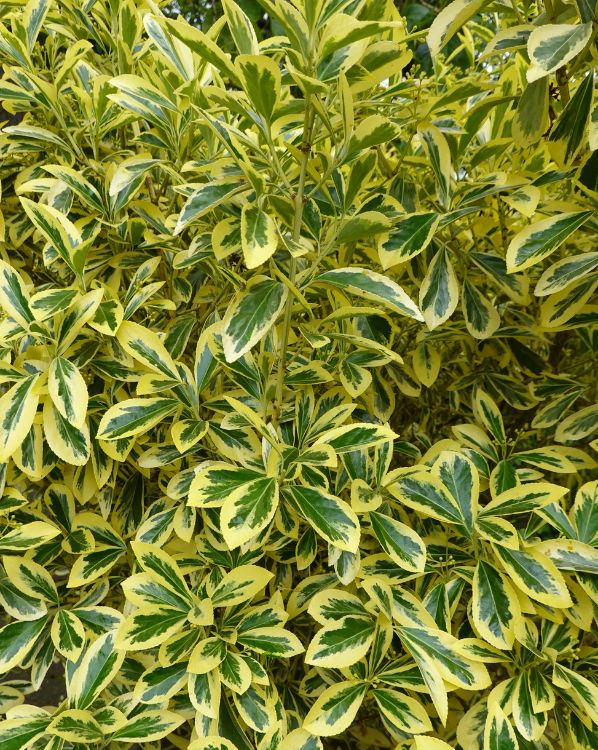
Some evergreen shrubs create dramatic contrast by offering foliage shades beyond ordinary green. Golden euonymus stands out immediately because its leaves combine deep green centers with bright yellow edges that almost glow in sunlight.
During winter, colorful evergreen shrubs become even more valuable because they prevent the yard from looking empty or lifeless. Snow, rain, and gray skies often make landscapes appear dull, but vibrant foliage keeps the garden visually interesting long after summer flowers fade away.
Inkberry holly has become another favorite among gardeners who want a cleaner and more modern look around patios, walkways, and front entrances. Unlike some boxwoods that struggle with disease or browning leaves, inkberry usually maintains a healthier appearance with less effort.
Evergreen shrubs also help create privacy without making the yard feel heavy or crowded. Taller varieties can soften fences, frame outdoor seating areas, or create quiet backyard spaces while still keeping color present every month of the year.
A mixed collection of evergreen shrubs usually creates a more relaxed and welcoming landscape than rows of identical boxwoods. Different textures, leaf shapes, and shades of green make the yard feel layered and alive instead of overly formal.
Gardeners often discover that replacing boxwoods opens the door to far more creativity. Once different evergreen colors and textures begin filling the landscape, the entire garden starts to feel fresher and far more memorable.
Flowering Bushes That Bring More Seasonal Beauty

Flowering shrubs give gardens a level of excitement that boxwoods rarely provide because they change dramatically throughout the seasons. Fresh blooms, shifting colors, and fragrant branches can completely transform an ordinary yard into a space filled with movement and life.
Spirea remains one of the easiest flowering shrubs to grow because it produces masses of small blossoms while staying compact and manageable. Many varieties also develop colorful foliage during autumn, which adds another season of interest after the flowers disappear.
Some homeowners prefer shrubs that create larger and more dramatic blooms near porches or patios. Azaleas become especially popular in spring because their bright flowers cover nearly the entire shrub, creating bold displays of pink, red, white, or purple.
A flowering landscape often feels warmer and more inviting to visitors. Instead of seeing only rows of green shrubs, guests notice changing colors and layered garden beds that create a more personal and cheerful atmosphere.
Weigela offers another beautiful replacement for boxwoods because it combines arching branches with trumpet shaped flowers that attract hummingbirds throughout the warmer months. Even after blooming ends, many newer varieties continue adding beauty through burgundy or variegated foliage.
Gardeners who enjoy long flowering seasons frequently choose potentilla because it continues blooming through much of summer with very little maintenance. The shrub handles heat well and works nicely near walkways, driveways, or sunny garden borders.
Flowering shrubs also help soften the appearance of hard surfaces around the home. Stone pathways, fences, and plain walls often look less severe once colorful bushes begin filling the surrounding space with flowers and texture.
Another reason many people replace boxwoods with flowering shrubs is the increase in pollinator activity. Butterflies, bees, and hummingbirds naturally gather around blooming plants, making the garden feel more lively every day.
Seasonal flowers create anticipation throughout the year because the landscape never looks exactly the same from month to month. Each bloom cycle brings new color and energy, which keeps the garden feeling fresh long after boxwoods might begin looking repetitive or overlooked.
Compact Shrubs Perfect for Small Landscapes
Small yards often benefit more from carefully shaped shrubs than oversized bushes that quickly overwhelm limited space. Many gardeners replace boxwoods because they want compact plants that still provide structure without constant trimming or crowding nearby flowers.
Dwarf arborvitae works especially well in tight areas because it keeps a naturally rounded shape while remaining dense and colorful through every season. The soft evergreen foliage adds texture near sidewalks, patios, and entryways without creating a bulky appearance.
Homeowners with narrow garden beds frequently look for shrubs that stay attractive without spreading too far outward. Dwarf loropetalum has become a favorite because its deep purple foliage adds bold contrast while its smaller size fits comfortably into modest landscapes.
Compact shrubs help smaller gardens feel balanced instead of crowded. Oversized bushes can block windows, cover pathways, and make outdoor areas feel enclosed, while smaller varieties allow each part of the yard to remain open and visible.
Some shrubs also provide seasonal color while staying naturally tidy. Dwarf nandina offers soft foliage that changes shades throughout the year, often turning brilliant red or bronze during cooler months.
Gardeners who enjoy organized landscapes appreciate shrubs that hold their shape with minimal effort. Compact varieties often require less pruning, which saves time and reduces the stress of trying to keep every bush perfectly trimmed.
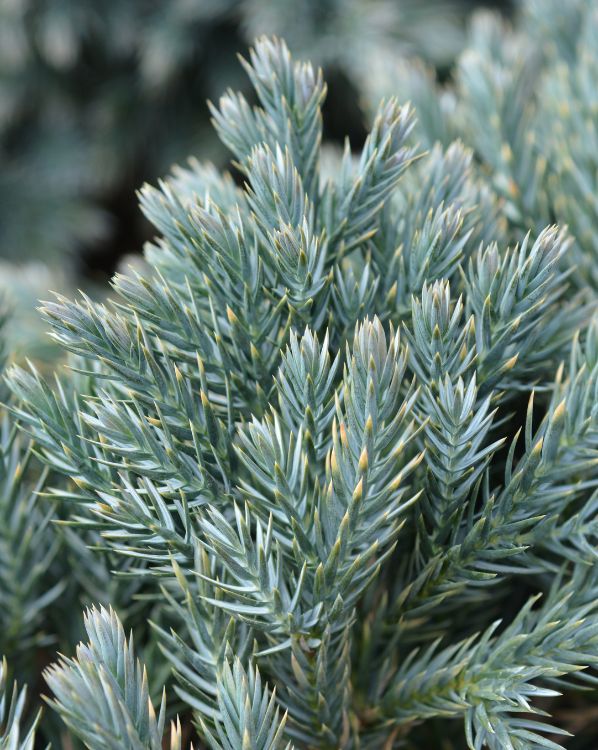
Blue star juniper adds another interesting option for smaller landscapes because its silvery blue foliage stands out against ordinary green plants. The low spreading shape works beautifully near rock gardens, pathways, or sunny borders where taller shrubs might feel overwhelming.
Smaller shrubs also create more opportunities for layering flowers and ornamental grasses throughout the yard. Instead of dominating the landscape, compact bushes leave room for seasonal plants that add movement and variety around them.
A thoughtfully designed small garden can feel far more relaxing than a crowded space filled with oversized shrubs. When compact plants provide structure without taking over the yard, the entire landscape feels lighter, cleaner, and easier to enjoy throughout the year.
Hardy Choices With Fewer Maintenance Problems

One of the biggest reasons gardeners move away from boxwoods is the growing frustration over disease issues, winter damage, and constant trimming. Many newer shrubs offer stronger resistance to common problems while still providing beauty and structure across the landscape.
Ninebark has become increasingly popular because it tolerates difficult weather conditions while still producing colorful foliage and attractive branching patterns. The shrub handles cold winters, summer heat, and occasional drought far better than many traditional boxwoods.
Some homeowners simply want shrubs that continue looking healthy without needing constant attention. Juniper varieties often perform well in this role because they adapt to poor soil, dry conditions, and windy areas while still maintaining attractive color year round.
Low maintenance shrubs can make gardening feel enjoyable again instead of exhausting. Constant pruning, spraying, and replacing damaged plants often turns landscaping into a stressful chore rather than a relaxing hobby.
Viburnum offers another dependable alternative because many varieties resist pests while producing glossy foliage, spring flowers, and colorful berries. The layered branching structure also creates a fuller and softer appearance than tightly clipped boxwoods.
Hardy shrubs become especially valuable in regions with unpredictable weather. Sudden freezes, heavy rainfall, dry summers, and strong winds can quickly damage delicate plants, but tougher varieties often recover far more easily.
Gardeners who prefer natural looking landscapes usually appreciate shrubs that do not require strict shaping. Allowing plants to grow into their natural forms often creates a softer and more welcoming atmosphere around the home.
False cypress provides rich evergreen texture while needing surprisingly little maintenance once established. The feathery foliage adds elegance to garden beds, and many compact varieties stay attractive without frequent trimming.
Choosing hardy shrubs often saves money over time because healthier plants require fewer replacements and treatments. A landscape filled with reliable shrubs allows homeowners to spend more time enjoying the garden instead of constantly trying to fix problems that keep returning year after year.
Unique Foliage That Adds Texture and Contrast
One reason many gardeners grow tired of boxwoods is the lack of visual variety they bring to the landscape. While their neat appearance works well in formal settings, many yards begin to feel repetitive when every shrub shares the same shape, color, and texture.
Shrubs with unusual foliage instantly create more depth and personality throughout the garden. Different leaf sizes, colors, and growth patterns help outdoor spaces feel layered instead of flat or predictable.
Smoke bush stands out quickly because of its rich purple foliage and airy summer plumes that appear almost cloud like from a distance. The large leaves create bold contrast beside smaller evergreen shrubs and softer flowering plants.
Some gardeners prefer lighter tones that brighten darker corners of the yard. Variegated dogwood adds movement and color through leaves edged in creamy white while also providing striking red stems during winter months.
Texture plays a major role in how a garden feels visually. Fine foliage often creates softness, while larger leaves add drama and make nearby plants appear even more detailed and interesting.
Leatherleaf mahonia offers another distinctive look because its glossy leaves resemble holly while its upright structure adds strong vertical lines to garden beds. During colder months, yellow flowers and dark berries create even more seasonal contrast.
Shrubs with colorful foliage also help gardens remain attractive long after flowers fade away. Purple, silver, blue, gold, and variegated leaves continue drawing attention even during quiet parts of the growing season.
Many homeowners discover that textured foliage works especially well around patios and walkways because it softens hard surfaces naturally. Stone paths, fences, and plain siding often appear warmer and more welcoming once layered foliage surrounds them.
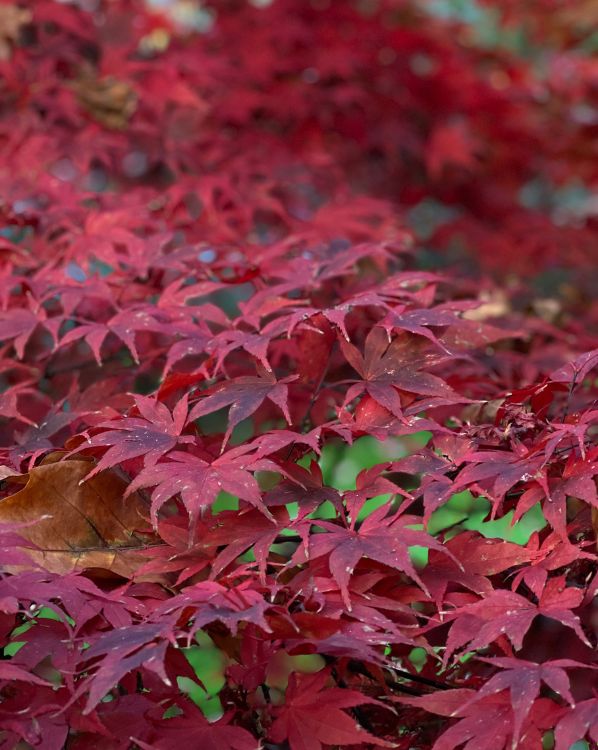
Japanese maple shrubs bring another level of elegance through delicate leaves and graceful branching patterns. Even small varieties can become major focal points because their foliage changes color beautifully from spring through autumn.
Mixing foliage textures throughout the landscape often creates a more natural and professionally designed appearance. Gardens filled with contrast feel dynamic and memorable because the eye continues noticing new shapes and colors from one area to another.
Final Thoughts
Replacing boxwoods does not mean giving up structure or year round beauty in the landscape. In many cases, alternative shrubs provide even more color, texture, flowers, and seasonal interest while requiring less maintenance over time.
Evergreen varieties keep gardens full during winter, flowering bushes create excitement through spring and summer, and textured foliage adds depth that boxwoods often lack. Smaller shrubs can fit neatly into compact yards, while hardy selections help reduce the stress of ongoing plant problems.
A thoughtful mix of shrubs usually creates a garden that feels more personal, relaxed, and visually interesting throughout the year. Once different colors, shapes, and textures begin working together, the landscape gains a fresh character that makes outdoor spaces far more enjoyable to spend time in.