
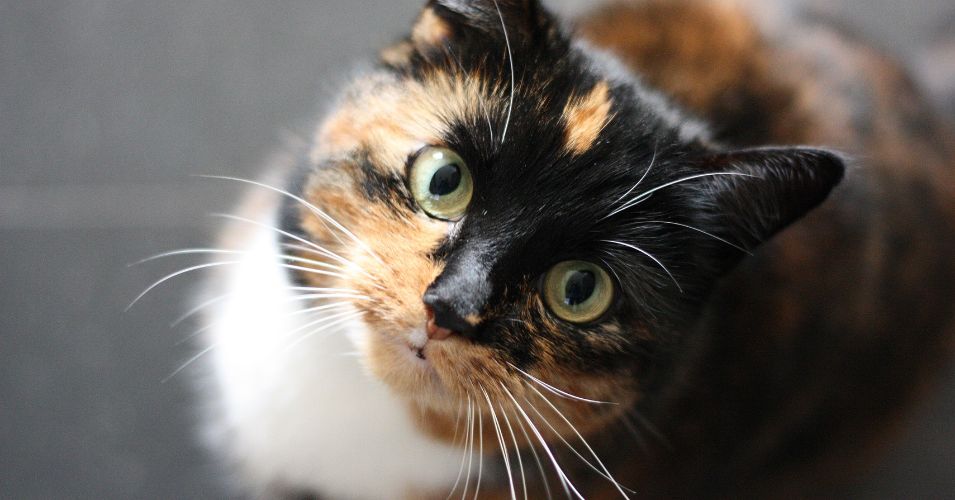
Cats have a reputation for doing whatever they please, but there is often much more happening behind those curious eyes than people realize. While every cat has its own personality, some seem to show an exceptional ability to solve problems, communicate with humans, and adapt to new situations.
Intelligence in cats does not always look the same as it does in dogs or people. Instead, it often appears through subtle behaviors that reward careful observation. If you have ever wondered whether your feline friend is unusually clever, there are several telltale signs to watch for. Understanding these behaviors can help you appreciate just how remarkable your cat really is.
Your Cat Solves Problems Without Much Help
One of the clearest signs of feline intelligence is the ability to figure things out independently. Smart cats rarely give up when they encounter an obstacle. Instead, they experiment with different approaches until they discover a solution.
You may notice your cat opening cabinet doors, pulling treats from puzzle toys, or finding creative ways to reach places that seem impossible. These actions are not random accidents. They show planning, persistence, and the ability to learn from experience.
Many intelligent cats quickly understand cause and effect. If pushing on a door causes it to open, they remember that lesson and repeat it whenever they want access. If they discover that scratching a certain cabinet brings hidden toys into reach, they will return to that same strategy again.
Some cats even observe people carefully before trying something themselves.
A cat might watch you twist a doorknob, open a drawer, or remove the lid from a container. While they may not perfectly copy the action, they often understand that the object can be manipulated to get a reward.
Puzzle feeders provide another clue.
Cats with strong problem solving skills usually stay interested until they solve the challenge instead of becoming frustrated. Each success builds confidence, making future puzzles easier for them to tackle.
These behaviors reveal much more than curiosity. They demonstrate flexible thinking, memory, and determination, all of which are important parts of intelligence.
Communication Goes Beyond Simple Meows
Highly intelligent cats often become experts at communicating with the people around them. Instead of relying on a single meow, they develop an impressive collection of sounds, body language, and behaviors that help them express exactly what they want.
Some cats have different vocalizations for different situations.
One sound may mean they want food. Another may signal they want attention. A completely different tone might tell you they want the door opened or they have spotted something interesting outside the window.
Over time, owners begin recognizing these differences because the cat consistently uses the same signals.
Body language also becomes more deliberate.
A smart cat may lead you toward an empty food bowl while looking back to make sure you are following. They might sit beside a favorite toy when they want to play or gently tap your arm before walking toward the room they want you to enter.
Some even combine multiple signals at once.
For example, a cat may meow, glance toward the kitchen, and walk several steps before stopping to see if you understood the message. If you fail to respond, they may try a different approach instead of repeating the exact same behavior.
This flexibility shows that the cat is adjusting its communication based on your reactions.
Many intelligent cats also become surprisingly good at reading human emotions.
They often recognize changes in voice, facial expressions, and daily routines. Some appear during stressful moments to provide comfort, while others know exactly when someone is preparing dinner, leaving for work, or getting ready for bed.
Although scientists continue studying how deeply cats understand human emotions, many owners notice that especially bright cats seem remarkably tuned into the people they live with.
Curiosity Never Seems to Fade
Curiosity is common among cats, but exceptionally smart cats often take exploration to another level. They do not simply investigate something once and move on. They continue examining new objects, sounds, and environments because learning itself appears rewarding.
When a package arrives, an intelligent cat may inspect every corner before deciding whether it is interesting enough to enter.
When furniture is rearranged, they often spend time exploring every change until the new layout becomes familiar.
Even everyday household noises can spark careful investigation.
Instead of running away immediately, some smart cats pause to identify where the sound came from. They observe from a safe distance before deciding whether the situation is dangerous or harmless.
This thoughtful approach reflects confidence as well as curiosity. Exploration also helps intelligent cats gather information about their surroundings.
They remember hiding places, escape routes, sunny resting spots, and locations where favorite toys often disappear. This mental map allows them to navigate their environment efficiently.
You may also notice your cat inventing games. A bottle cap becomes prey. A paper bag turns into a secret tunnel. A simple cardboard box transforms into a castle, hunting blind, and sleeping space all in one afternoon.
Rather than waiting for entertainment, they create it. These playful experiments stimulate both body and mind.
Cats that regularly challenge themselves mentally often stay engaged with their environment throughout life, especially when owners provide safe opportunities for exploration.
Their curiosity becomes one of the strongest indicators that their brains are constantly processing new information.
Learning Happens Faster Than You Expect
Cats are often unfairly labeled as impossible to train. In reality, many are capable learners, especially when they are motivated by rewards, praise, or interesting challenges.
Highly intelligent cats frequently learn routines with surprising speed. They know exactly when breakfast arrives. They recognize the sound of the treat container. They understand which family member usually opens the door. Some even memorize the sequence of daily events and appear before anything actually happens.
Training sessions can reveal even more.
Many smart cats quickly learn to sit, come when called, touch a target, jump onto a specific surface, or perform simple tricks using positive reinforcement. They remember these lessons long after the initial training has ended.
Learning extends beyond formal training. A clever cat often studies household patterns and adjusts accordingly. If jumping onto the counter leads to being gently removed every time, they may simply wait until nobody is watching.
If certain behaviors earn praise while others do not, they begin making choices based on those outcomes.
Some intelligent cats even learn by observation. Watching another pet receive treats for following a command may encourage them to attempt similar behaviors. While not every cat copies others, those that do display an impressive ability to connect actions with rewards.
Memory also plays an important role. Cats with excellent memories remember favorite hiding places, successful hunting strategies during play, and the locations of objects that interest them. They rarely need repeated lessons once they have fully understood something.
This ability to absorb information quickly and apply it later is a hallmark of strong intelligence.
Adaptability Reveals a Flexible Mind
Perhaps the greatest sign of intelligence is adaptability. Life constantly changes, and smart cats usually adjust more smoothly than expected.
Moving to a new home, welcoming another pet, or changing daily schedules can be stressful for any animal.
However, highly intelligent cats often begin studying the new situation almost immediately.
They carefully explore unfamiliar rooms. They observe new people from a comfortable distance. They gradually build confidence as they collect information about their changed environment. Instead of remaining fearful forever, they create new routines that help them feel secure.
Adaptability also appears during unexpected situations. If a favorite sleeping spot becomes unavailable, an intelligent cat quickly finds another comfortable location. If a toy breaks, they often discover something else that provides entertainment.
When presented with a challenge, they search for alternatives rather than becoming stuck.
Social flexibility can be another clue. Some cats learn which behaviors different family members prefer. They may cuddle with one person, play actively with another, and patiently observe children while maintaining appropriate boundaries.
This ability to adjust behavior depending on the situation reflects careful observation and learning.
Routine changes also provide valuable insight. A smart cat notices when someone starts working from home, when school schedules shift, or when vacations interrupt normal patterns. Before long, they often establish a completely new daily rhythm that fits the updated household routine.
Adaptability does not mean a cat never experiences stress. Instead, it means they recover more efficiently because they can evaluate new circumstances and respond appropriately.
That mental flexibility is one of the strongest indicators of genuine intelligence.
Final Thoughts
Cat intelligence appears in many different forms, and no two felines display it in exactly the same way. Some impress their owners with remarkable problem solving skills, while others stand out through advanced communication, quick learning, endless curiosity, or an incredible ability to adapt.
A truly smart cat often combines several of these qualities, creating a companion that constantly surprises the people around them. Paying close attention to your cat’s everyday behavior can reveal just how much thought goes into actions that might otherwise seem ordinary.
Whether your pet is opening doors, inventing games, learning routines, or finding creative solutions to everyday challenges, these moments highlight a sharp and capable mind. Appreciating these signs not only strengthens your bond but also encourages you to provide the mental stimulation that helps intelligent cats stay happy, healthy, and engaged throughout their lives.