
Dogs have shared their lives with people for thousands of years, creating friendships built on trust, loyalty, and companionship. While every dog has its own personality, there are certain behaviors that reveal when a deep emotional connection has formed. Some signs are obvious, like excited greetings, while others are subtle moments that happen quietly throughout the day.
Learning to recognize these behaviors helps you better understand your dog’s emotions and strengthens your relationship even further. If you have ever wondered whether your furry companion truly feels connected to you, the answer may already be hidden in the little things they do every single day.
Your Dog Chooses to Stay Close
One of the clearest signs your dog is bonded to you is the simple desire to be nearby. Even when there is nothing exciting happening, your dog may settle in the same room, lie beside your chair, or quietly nap while you work. They are not looking for constant attention. Instead, they feel secure simply being in your presence.
This behavior comes from trust. Dogs naturally stay close to those they believe will keep them safe. If your dog could choose any comfortable spot in the house but consistently picks one near you, that is often a strong indication of attachment.
Some dogs become what owners call a “shadow dog.” They casually follow their favorite person from room to room without appearing anxious. While this can sometimes be linked to separation anxiety, it is usually just a sign that your company makes them feel relaxed and content.
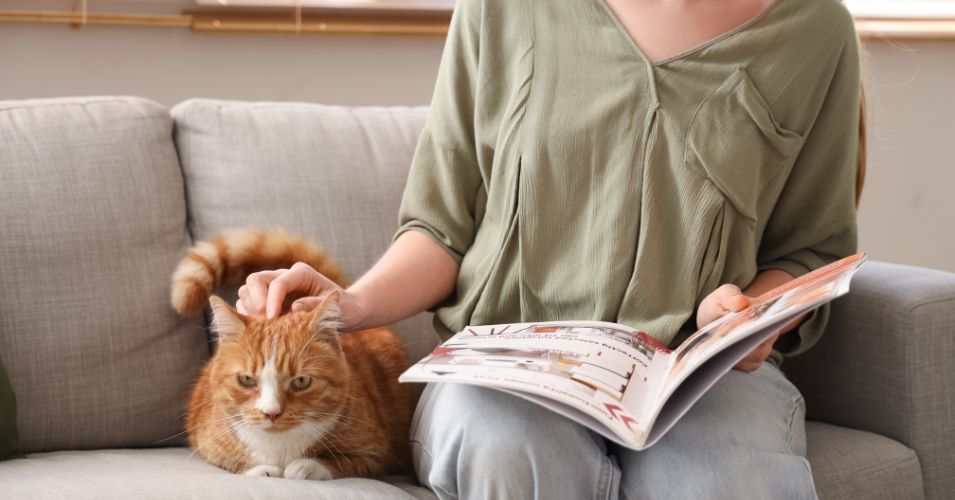
The bond becomes even more noticeable during quiet moments. You may be reading a book, cooking dinner, or watching television, and your dog settles nearby without demanding interaction. Their goal is not entertainment. They simply enjoy sharing the same space.
Dogs also pay close attention to your movements. If you stand up, they may briefly lift their head to see where you are going before returning to rest once they know everything is normal. These small actions show they remain connected to you even when nothing exciting is happening.
Physical closeness is another important clue. Some dogs lean gently against your legs or place a paw on your foot while resting. Others curl up beside you on the couch whenever given the chance. Every dog expresses affection differently, but choosing physical proximity often reflects a strong emotional bond.
Breed, age, and personality all influence how much closeness a dog prefers. Independent breeds may not constantly follow you, yet they still choose your company whenever possible. More affectionate breeds may rarely let you out of their sight. Neither approach is better than the other because each dog has its own way of showing trust.
The key is consistency. When your dog repeatedly chooses you over empty rooms or comfortable spots elsewhere, they are showing that your presence brings them comfort and happiness.
Eye Contact Speaks Without Words
Many people underestimate how meaningful eye contact is between dogs and humans. While prolonged staring between unfamiliar dogs can signal tension, gentle eye contact with a trusted owner often represents something completely different.
When your dog looks into your eyes with a relaxed expression, their body is communicating trust. Researchers have found that positive eye contact between dogs and their owners can increase oxytocin levels. Oxytocin is often called the bonding hormone because it plays a major role in feelings of love and attachment.
You may notice your dog looking at you throughout the day for no obvious reason. Perhaps you are working on your computer, folding laundry, or sitting outside. They glance toward you, make eye contact, then quietly continue what they were doing. These moments may seem ordinary, but they reveal that your dog regularly checks in with you.
Dogs also use eye contact to understand your emotions. They watch your facial expressions and body language to figure out how you are feeling. If you smile, they often relax. If you seem upset, they may become more attentive or stay closer than usual.
This emotional awareness develops over time. As your relationship grows stronger, your dog learns to recognize your routines, moods, and reactions. In return, they look to you for guidance when faced with unfamiliar situations.
You might notice your dog watching you before approaching something new. They may glance at your face before greeting a visitor or exploring an unfamiliar trail. That quick look is their way of asking whether everything is safe.
Relaxed eyes are an important detail. A bonded dog usually has soft eyes, loose facial muscles, and calm body language while making eye contact. Stiff posture or intense staring usually communicates something entirely different.
Many dogs even develop silent conversations with their owners through eye contact alone. A simple look can signal excitement, curiosity, reassurance, or anticipation. Over time, these exchanges become a natural part of daily life, requiring very few words.
Strong communication without speaking is one of the unique qualities that make the human and dog relationship so special.
Everyday Routines Become Shared Experiences
Dogs thrive on routine, but bonded dogs often become deeply invested in the routines they share with their favorite people. Daily activities become meaningful because they involve spending time together rather than simply completing a task.
Morning routines often reveal this connection first. Your dog may eagerly greet you when you wake up, stretch alongside you, or patiently wait while you prepare breakfast. They know the order of events and happily participate in each step.
Walks become much more than exercise. A bonded dog frequently checks back with you during the walk instead of becoming completely absorbed in every smell and distraction. They naturally stay connected, making sure you remain part of the adventure.
Meal times also become shared experiences. While your dog certainly enjoys eating, they may wait patiently until you finish preparing their food or watch you during your own meal without appearing stressed. The routine matters because it involves you.
Even household chores become opportunities for togetherness. Your dog may quietly observe while you clean, fold clothes, or organize the house. They are not necessarily interested in the activity itself. They simply enjoy being part of whatever you are doing.
Play sessions strengthen this pattern even more. Dogs that share a close bond often bring toys directly to their owners because they see them as trusted play partners. Games become less about winning and more about interacting together.
Many bonded dogs also recognize familiar sounds connected to their favorite routines. They become excited when they hear keys, walking shoes, or the leash because they associate these sounds with spending time alongside you.
Over time, these repeated experiences create predictability. Predictability builds confidence. Confidence strengthens trust. Eventually, your dog begins looking forward to the moments you share each day because those experiences have become part of their emotional security.
The strongest relationships are rarely built through grand gestures. They grow through hundreds of ordinary moments repeated with consistency, kindness, and patience.
Comfort Comes Naturally Around You
Trust becomes especially noticeable when your dog feels completely comfortable in your presence. A bonded dog does not constantly remain alert or worried while you are nearby. Instead, they allow themselves to fully relax because they believe they are safe.
One obvious sign is sleeping deeply around you. Dogs are naturally vulnerable while asleep, so they usually reserve complete relaxation for places and people they trust. If your dog stretches out, sleeps on their side, or even exposes their belly while resting near you, they are demonstrating a high level of confidence.
Relaxed body language appears in many forms. Loose muscles, gentle tail movements, relaxed ears, and slow blinking all suggest that your dog feels secure. These signals become especially meaningful during unfamiliar situations where your presence helps them stay calm.
Another clue is how your dog reacts after becoming frightened. A loud noise, unfamiliar visitor, or unexpected event may briefly startle them.
Instead of hiding alone, many bonded dogs seek reassurance from their trusted person. They may sit close, lean against your leg, or simply remain nearby until they feel comfortable again.
Dogs also become more willing to expose vulnerable areas to people they trust. Rolling onto their back, allowing gentle handling of their paws, or resting with their head on your lap all demonstrate confidence built over time.
Relaxation extends beyond physical comfort. Emotionally bonded dogs recover more quickly from stressful moments when their favorite person is present. Your calm voice, familiar scent, and predictable behavior provide reassurance.
Some owners notice that their dogs sigh deeply while lying beside them. Although a sigh alone does not always indicate contentment, repeated relaxed sighs during peaceful moments often suggest complete comfort.
The ability to truly relax around another living being is never something to take for granted. It reflects countless positive experiences that have taught your dog they can trust you completely.
Every calm nap, relaxed stretch, and peaceful cuddle represents another layer of the bond you have built together.
Your Dog Celebrates Seeing You
Few moments are more heartwarming than coming home to an enthusiastic greeting from your dog. While excitement alone does not always prove deep attachment, consistent joyful greetings often reveal how important you are to them.
Some dogs wag their entire body when they see their favorite person. Others spin in circles, bounce excitedly, or carry a toy as a welcome gift. Every dog celebrates differently, but genuine excitement usually reflects positive emotional attachment.
These greetings often happen regardless of how long you were gone. Whether you stepped outside for five minutes or returned after a full workday, your dog reacts with happiness because your return matters.
Excitement also appears before shared activities. Your dog may eagerly anticipate walks, games, training sessions, or car rides simply because they know those experiences involve spending time with you.
Many bonded dogs actively seek interaction throughout the day. They bring toys, gently nudge your hand, or sit nearby waiting for attention. They enjoy engaging with you because your relationship itself is rewarding.
Training sessions provide another opportunity to observe the bond. Dogs that trust their owners often remain eager to learn because they associate working together with encouragement, praise, and positive experiences.
Your voice alone may trigger excitement. Many dogs immediately perk up when they hear their owner’s voice from another room or recognize their car arriving outside. Familiar sounds become linked with comfort and companionship.
Some dogs express affection through quiet enthusiasm rather than energetic greetings. Older dogs or naturally calm personalities may simply wag their tail, walk over for gentle petting, or rest their head against your leg. Their response may seem subtle, but it can be just as meaningful.
Over time, these daily reunions reinforce your relationship. Each happy greeting becomes another reminder that your dog genuinely enjoys sharing life with you.
The excitement never feels forced because it comes from a place of trust, familiarity, and unconditional affection.
Final Thoughts
A strong bond with your dog is not measured by a single dramatic moment. It is built through everyday interactions filled with patience, consistency, kindness, and mutual trust. When your dog chooses to stay close, makes relaxed eye contact, enjoys shared routines, feels safe enough to fully relax, and greets you with genuine happiness, those behaviors often reflect a meaningful emotional connection.
Every dog expresses love differently, so it is important to appreciate your companion’s unique personality rather than comparing them to others. Continue spending quality time together, use positive reinforcement, respect your dog’s boundaries, and create experiences that strengthen your relationship. As the months and years pass, those small daily moments become the foundation of an extraordinary friendship that enriches both your life and your dog’s in ways that words can never fully capture.