
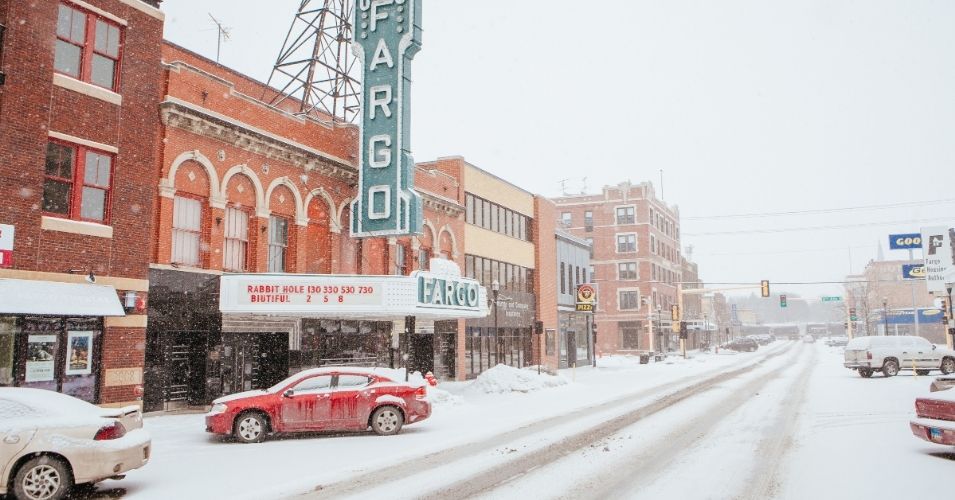
Retirement in North Dakota attracts many people who want peace, open scenery, and smaller communities far from crowded urban areas. Still, retirement life here can become far more difficult once long winters, geographic isolation, and rising utility costs begin affecting everyday routines.
Some communities also struggle with aging infrastructure, limited entertainment, and fewer services designed for retirees who want convenience and social connection. A town that feels charming during a short visit can start to feel restrictive after several years of harsh weather and limited local options.
Before choosing North Dakota for retirement, it is important to understand how isolation, blizzards, expensive winter electric bills, and outdated infrastructure may affect comfort, safety, and long term financial stability.
Geographic Isolation Reduces Daily Convenience
Many retirees move to North Dakota hoping for peace and quiet, but some communities feel far more isolated than expected once everyday needs become difficult to reach.
In Jamestown, retirees may notice how long routine errands can take when larger shopping areas and specialty services are spread far apart. Older adults who no longer enjoy long drives may quickly become frustrated with the amount of travel required for ordinary tasks.
The problem becomes even more noticeable during winter when roads are covered in snow and icy winds reduce visibility for miles. A short drive to a grocery store or medical appointment can suddenly feel stressful instead of routine. Some retirees eventually realize they spend more time preparing for travel than actually enjoying retirement activities.
Geographic isolation also affects emergency situations in ways many people overlook before moving. Ambulance response times may feel slower in smaller regions, especially during severe storms when road conditions worsen quickly. That uncertainty can create anxiety for retirees who already deal with medical concerns or limited mobility.
In Valley City, the slower pace appeals to some retirees at first because traffic is lighter and neighborhoods feel calmer. Still, after several years, the distance from larger entertainment areas and expanded healthcare services may begin creating frustration. Visiting family members or attending events in bigger cities often requires lengthy drives that become tiring during retirement.
Social life can also shrink over time because harsh winters make travel harder for both residents and visitors. Friends and relatives may avoid visiting during heavy snowstorms or freezing temperatures, leaving retirees feeling disconnected for long periods. The quiet atmosphere that first seemed relaxing can eventually feel lonely during long stretches indoors.
Daily convenience suffers further when stores close early or offer fewer services than retirees expect. Some residents must travel outside town simply to access specialists, larger pharmacies, or wider shopping choices.
North Dakota certainly offers open landscapes and peaceful surroundings, but isolation remains one of the most underestimated retirement challenges in the state.
Entertainment Options Feel Extremely Limited
Retirement often gives people more time to enjoy hobbies, restaurants, and local attractions. Unfortunately, some North Dakota communities offer far fewer entertainment opportunities than retirees expect after relocating. In Dickinson, many older residents eventually notice how quickly local activities begin to feel repetitive once the excitement of moving fades.
For retirees who enjoy concerts, theaters, museums, or community events, the lack of variety can become frustrating after a few years. Smaller towns may host occasional festivals or seasonal gatherings, but entertainment options often slow dramatically during colder months.
Once winter arrives, many retirees spend extended periods indoors with limited opportunities to socialize or stay active.
Dining choices may also feel repetitive after a while because there are fewer restaurants and nightlife options compared to larger retirement destinations. Instead of exploring new places each week, many retirees end up rotating between the same familiar locations. People who enjoy lively social settings sometimes feel disappointed by how quiet daily life becomes.
In Wahpeton, retirees may appreciate the slower pace and lower traffic at first, especially compared to crowded metropolitan areas. Over time, though, the limited shopping centers, entertainment venues, and cultural attractions can leave some residents wanting more variety. Even a simple movie night or concert may require traveling outside the immediate area.
The long winter season makes the situation even more difficult because outdoor recreation becomes harder during freezing weather. Snow covered roads, icy sidewalks, and bitter winds discourage many retirees from leaving home regularly. Cabin fever becomes a real concern during months when outdoor activities feel unpleasant or unsafe.
Limited entertainment can also affect emotional well being over time. Retirement should feel fulfilling and engaging, yet some people begin feeling isolated after spending too much time indoors without meaningful social interaction.
North Dakota certainly appeals to retirees who value quiet surroundings, but others may discover the slower lifestyle becomes far less exciting than they originally imagined.
Aging Infrastructure Creates Ongoing Concerns
Many retirees searching for a peaceful lifestyle focus on housing prices and quiet surroundings, but aging infrastructure is another issue that deserves serious attention in parts of North Dakota. In Minot, older roads, aging utility systems, and long winters often place extra strain on public infrastructure throughout the year. Retirees may notice potholes, uneven streets, and worn public spaces becoming more difficult to navigate as seasons change.
Road maintenance can become especially frustrating after harsh winters cause cracks, ice damage, and rough driving conditions. Older adults who already deal with joint pain or mobility concerns may find rough sidewalks and damaged parking areas uncomfortable or even unsafe. Small problems that younger residents overlook can become daily frustrations during retirement years.
Aging infrastructure also affects essential services in quieter communities. Water systems, heating networks, and older buildings sometimes require costly repairs after long periods of freezing weather.
When breakdowns occur during winter, retirees may face stressful delays before repairs are completed because workers and replacement materials are not always immediately available.
In Williston, rapid growth during past oil booms placed heavy pressure on roads, utilities, and public facilities. Even though development improved some areas, retirees may still encounter traffic congestion, construction issues, and infrastructure that struggles to keep pace with changing community demands. Constant repairs and road projects can make daily travel inconvenient for older residents.
Internet reliability and communication services may also feel inconsistent in some neighborhoods compared to larger metropolitan regions. Retirees who rely on online healthcare appointments, streaming services, or video calls with family members may become frustrated when connections feel unreliable during storms or severe weather conditions.
Public transportation options remain limited in many areas as well, which creates additional pressure on retirees who no longer wish to drive regularly.
Older communities often depend heavily on personal vehicles because transportation systems are not as developed as those found in larger retirement destinations. North Dakota offers quieter living, but infrastructure concerns can slowly reduce comfort and convenience for retirees hoping for a stress free lifestyle.
Blizzards Disrupt Life For Long Periods
North Dakota winters are not simply cold. In many parts of the state, blizzards can completely disrupt daily life for days at a time and create major challenges for retirees.
In Devils Lake, heavy snow combined with strong winds often creates dangerous whiteout conditions that make driving nearly impossible during severe storms. Older adults may find themselves stuck indoors far longer than expected while roads remain unsafe.
Blizzards affect more than transportation because they also interrupt normal routines and limit access to essential services. Grocery shopping, medical appointments, and social gatherings may all need to be postponed when storms move through the area. Retirees who enjoy staying active and independent can begin feeling trapped after repeated stretches indoors during winter months.
Even after a storm passes, cleanup may take time in smaller communities where snow removal resources are limited. Sidewalks, driveways, and parking lots can remain icy for days, increasing the risk of slips and falls. For retirees with mobility issues, stepping outside after a storm may feel stressful rather than refreshing.
In Bismarck, winter storms regularly create difficult driving conditions despite the city having more services than many rural communities. Strong winds push snow across highways and streets, reducing visibility and making travel exhausting for older drivers. Some retirees eventually avoid driving altogether during the coldest parts of the season because the conditions feel too dangerous.
The emotional impact of long winter storms can also become difficult over time. Spending days indoors with limited sunlight and fewer opportunities to socialize may leave some retirees feeling isolated or restless. Cabin fever becomes common during winters that seem to stretch endlessly from one storm to the next.
Heating systems also work harder during blizzard conditions, which increases household expenses during already expensive winter months.
While North Dakota certainly offers beautiful snowy scenery, the reality of repeated blizzards can make retirement feel more exhausting and restrictive than many newcomers originally expected.
Winter Electric Bills Become Financial Burdens
Many retirees move to North Dakota expecting lower housing prices and quieter communities, but winter utility costs often become an unpleasant surprise after the first cold season arrives.
In Grand Forks, freezing temperatures regularly remain in place for long stretches, forcing residents to rely heavily on heating systems day and night. Retirees living on fixed incomes may quickly notice how fast electric and heating bills rise once winter fully settles in.
Keeping a home warm during North Dakota winters is not optional because temperatures can become dangerously cold for extended periods. Furnaces work constantly, space heaters are often added for extra warmth, and electric usage climbs steadily throughout the season. Even modest homes may become expensive to maintain during the coldest months of the year.
Retirees who previously lived in milder climates are sometimes shocked by how much energy is required simply to stay comfortable indoors. Older adults also tend to spend more time at home during winter, which naturally increases electricity use for lighting, heating, cooking, and entertainment. Small increases in daily usage can add up quickly over several months.
In Fargo, rising utility expenses have become a growing concern for many retirees trying to manage limited retirement savings. While the city offers more services and conveniences than smaller towns, winter costs can still place heavy pressure on monthly budgets. Some retirees begin cutting back on dining, travel, or hobbies simply to balance rising seasonal expenses.
Drafty windows, aging insulation, and older heating systems create additional financial strain in certain neighborhoods. Homes that appear affordable at first may eventually require expensive upgrades to remain energy efficient during severe winter weather. Retirees who are unprepared for these costs may struggle to maintain long term financial comfort.
The emotional stress connected to rising utility bills can also wear people down over time. Instead of enjoying retirement freedom, some older adults begin worrying constantly about monthly expenses every time another cold front arrives.
North Dakota certainly offers beautiful winters for those who enjoy snow and quiet landscapes, but the financial burden tied to staying warm can become one of retirement’s biggest ongoing frustrations.
Final Thoughts
North Dakota offers peaceful scenery, smaller communities, and a slower pace that may initially appeal to retirees searching for quiet living. Still, daily life in some areas becomes far more difficult once geographic isolation, limited entertainment, aging infrastructure, severe blizzards, and expensive winter utility bills begin affecting comfort and convenience.
Retirement should feel relaxing and fulfilling, yet harsh winters and limited services can slowly create frustration for older adults living on fixed incomes.
Before relocating, retirees should carefully consider how these long term challenges may affect finances, healthcare access, social life, and overall quality of life throughout the year.