
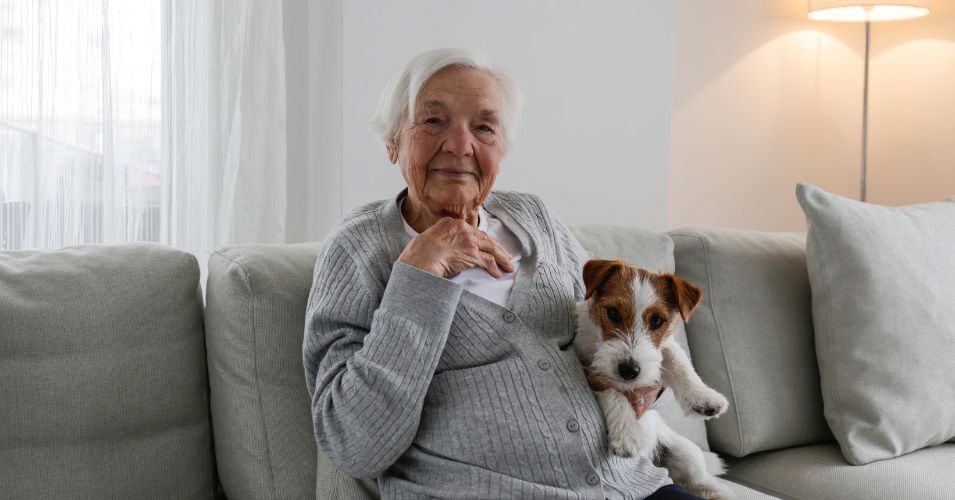
Growing older with a dog can be one of life’s greatest joys, but it also brings challenges that few people openly discuss. Many older adults treasure the companionship, comfort, and routine a dog provides. At the same time, everyday tasks that once felt effortless can slowly become more demanding. These quiet struggles often happen behind closed doors, making them easy for others to overlook.
Whether you already share your home with a dog or are considering welcoming one into your life, understanding these realities can help you prepare while continuing to enjoy the special bond that only a loyal companion can offer.
When Daily Care Becomes More Demanding
Looking after a dog often feels like second nature during your younger years. Feeding them, taking long walks, cleaning up accidents, and playing outside become part of a familiar routine. However, as you move through your senior years, those same responsibilities can begin to require much more effort than they once did. The changes usually happen gradually, making them easy to overlook until everyday tasks become noticeably harder.
A morning walk that once felt refreshing may now leave your knees aching. Bending down to refill food bowls or pick up toys can become uncomfortable, especially for people living with arthritis or back pain. Even carrying heavy bags of dog food into the house can become a challenge instead of a simple errand.
Dogs also thrive on consistency.
They still expect their walks, meals, playtime, and bathroom breaks regardless of how their owner is feeling that day. If an older adult wakes up with sore joints, poor sleep, or limited energy, there is still a loyal dog waiting by the door, eager to start the day.
Unexpected situations can make life even more demanding. A dog that suddenly pulls on the leash may cause a dangerous loss of balance. An energetic puppy racing through the house can easily become a tripping hazard. Even older dogs sometimes need help climbing stairs or getting into the car, placing additional strain on their owners.
Many seniors adapt by making small adjustments rather than giving up the companionship they love. They may choose shorter walks several times a day instead of one long outing. Some switch to lightweight food containers, use raised feeding bowls, or ask family members to help with grooming appointments and veterinary visits.
Technology has also made daily care a little easier. Automatic feeders, hands free leashes, and pet delivery services can reduce physical effort while allowing owners to continue providing excellent care.
Although these adjustments can make life more manageable, they also serve as gentle reminders that both owner and dog are growing older together. Accepting those changes is not always easy, but finding practical solutions allows many people to continue enjoying the companionship that makes every extra effort worthwhile.
The Emotional Weight Few People Talk About
The physical demands of owning a dog are easy to notice, but the emotional challenges often remain hidden. Many older adults quietly carry worries they rarely share with friends or family. While their dog continues to offer comfort and unconditional love, that relationship can also bring concerns that become heavier with age.
One of the biggest fears is wondering what would happen if something unexpected occurred. A short stay in the hospital or an extended illness can leave owners worrying about who will feed, walk, or care for their beloved companion. Even those with supportive families sometimes hesitate to ask for help because they do not want to become a burden.
There is also the quiet sadness that comes with recognizing the passing of time.
Many seniors have owned several dogs throughout their lives. Each new gray hair on their current companion can bring memories of pets they loved and lost. Watching a dog slow down can feel like watching another chapter of life quietly unfold.
Some owners also struggle with feelings of guilt. They may worry that they cannot provide the same long walks or active adventures they once enjoyed together. Even when their dog appears perfectly happy with shorter outings and extra cuddle time, they may still question whether they are doing enough.
Loneliness can make these emotions even stronger.
For many seniors, a dog is more than a pet. They are a constant companion, a reason to get out of bed each morning, and often the only living presence in the home throughout the day. The thought of eventually saying goodbye is almost too painful to imagine, so many people avoid talking about it altogether.
Yet this emotional connection is also what makes the relationship so meaningful. Dogs do not judge slower steps, gray hair, or changing abilities. They simply remain loyal, offering affection without conditions or expectations.
By acknowledging these quiet emotional struggles instead of ignoring them, older adults can begin planning for the future while fully appreciating the time they have together. The worries may never disappear completely, but they become easier to carry when faced with honesty, preparation, and the comforting presence of a faithful friend.
Health Changes That Affect Both Owner and Dog
Growing older often means paying closer attention to health, and that is true for both people and their dogs. As the years pass, it becomes common for each to face physical changes that require extra care, patience, and understanding. While these challenges may be different, they often happen at the same time, creating a unique situation that many owners never expected.
An older adult may be managing arthritis, heart disease, reduced vision, or limited mobility. At the same time, their dog might begin developing stiff joints, hearing loss, or age related illnesses that require regular treatment. Instead of one member of the household needing additional support, both owner and pet may find themselves slowing down together.
Veterinary visits can become more frequent as dogs age.
Routine checkups may be replaced with appointments for blood tests, medications, or treatment plans for chronic conditions. Keeping track of prescriptions, special diets, and follow up visits can become overwhelming, especially for someone who is already managing their own medical appointments and daily medications.
Financial concerns may also become part of the picture. Medical care for aging dogs can be expensive, and many retirees are living on fixed incomes. Deciding how to balance household expenses while giving a beloved pet the best possible care is never an easy position to be in.
Despite these obstacles, there can also be an unexpected sense of understanding between an older owner and an aging dog. Neither moves quite as quickly as before. Both may need more rest after a busy day. Quiet afternoons on the couch become just as enjoyable as long adventures once were.
Accepting these changes does not mean giving up on an active life. Gentle walks, comfortable sleeping spaces, healthy meals, and regular medical care can help both owner and dog enjoy a good quality of life. Growing older together creates a different kind of companionship, one built on patience, shared routines, and the simple comfort of having someone beside you through every stage of life.
Finding Practical Ways to Make Life Easier
Although some challenges cannot be avoided, many can be managed with thoughtful planning and a willingness to adapt. Small changes around the home and in daily routines often make a much bigger difference than people expect. Instead of trying to do everything the way they always have, many older dog owners discover that working smarter helps them enjoy more time with their pets.
Choosing equipment that reduces physical strain is often a good place to start. Raised food and water bowls limit the need to bend down, while lightweight leashes and easy grip harnesses provide better control during walks. Ramps can help dogs reach furniture or enter the car without needing to be lifted, protecting both the owner’s back and the dog’s joints.
Creating a predictable routine also benefits everyone involved.
Dogs feel more secure when they know what to expect, and owners often find that regular schedules make daily care easier to manage. Feeding, walks, medication, and bedtime all become simpler when they happen at roughly the same time each day.
Support from others should never be viewed as a sign of failure.
Family members, neighbors, or trusted friends can lend a hand with occasional walks, transportation to veterinary appointments, or pet sitting during medical visits. Professional services such as dog walkers or mobile groomers can also provide valuable assistance when needed.
Selecting activities that suit both owner and dog is another practical step. Instead of long hikes or energetic games, many seniors enjoy shorter neighborhood walks, gentle play in the backyard, or relaxing together at a local park. These quieter moments still provide exercise, mental stimulation, and valuable time together.
Perhaps the most important adjustment is recognizing that caring for a dog does not have to look the same as it did twenty years ago. Needs change, abilities change, and routines naturally evolve. By making thoughtful choices and accepting a little help when necessary, older adults can continue providing loving homes while enjoying the companionship that has enriched their lives for so many years.
Why the Bond Is Still Worth Every Challenge
It is easy to focus on the difficulties that can come with owning a dog as a senior, but those challenges are only one part of the story. The rewards often outweigh the extra effort, which is why so many older adults would not trade their four legged companion for anything. Even as routines change and physical abilities shift, the connection between a person and their dog remains deeply meaningful.
A dog brings purpose to each day.
There is always a reason to get out of bed, open the curtains, and begin the morning. Feeding, walking, and caring for a pet creates structure that many retirees find comforting. Having those daily responsibilities can also provide a welcome sense of accomplishment, especially for people whose schedules have become much quieter after leaving the workforce.
Companionship is another priceless gift. A dog offers unwavering loyalty without expecting perfection in return. They do not care about wrinkles, slower steps, or changing health. They greet every day with the same excitement and affection, reminding their owners that they are loved exactly as they are.
There are also many health benefits that come from sharing life with a dog. Regular walks encourage gentle exercise, while spending time outdoors supports both physical and mental well being. Simply stroking a dog’s fur or sitting quietly together can create a sense of calm after a stressful day.
Perhaps the greatest reward is the feeling of being needed. Many older adults say their dog gives them a reason to keep moving forward, even during difficult times. Knowing that another living creature depends on them brings purpose that cannot easily be replaced.
The bond also grows stronger with time. Years of shared routines, familiar habits, and quiet moments build a relationship based on trust and understanding. A simple glance is often enough for owner and dog to know what the other needs.
While growing older with a dog may require patience, flexibility, and occasional help from others, the love received in return is immeasurable. For many people, every walk, every vet visit, and every extra effort becomes a small price to pay for the joy of having a faithful friend by their side.
Final Thoughts
Having a dog as a senior is not always as simple as it once was. Everyday tasks may take longer, health concerns can become more common, and the emotional responsibilities often feel heavier than people expect. Yet these quiet struggles rarely diminish the happiness that comes from sharing life with a devoted companion.
With realistic expectations, thoughtful planning, and a willingness to adapt, many older adults continue to provide loving homes where both they and their dogs can thrive. Small adjustments can make daily life easier while preserving the routines and companionship that matter most.
In the end, a dog does far more than fill a home. They fill it with loyalty, comfort, laughter, and unconditional love. Those gifts remain just as valuable now as they were decades earlier, making the journey together one that many people would happily choose again.