
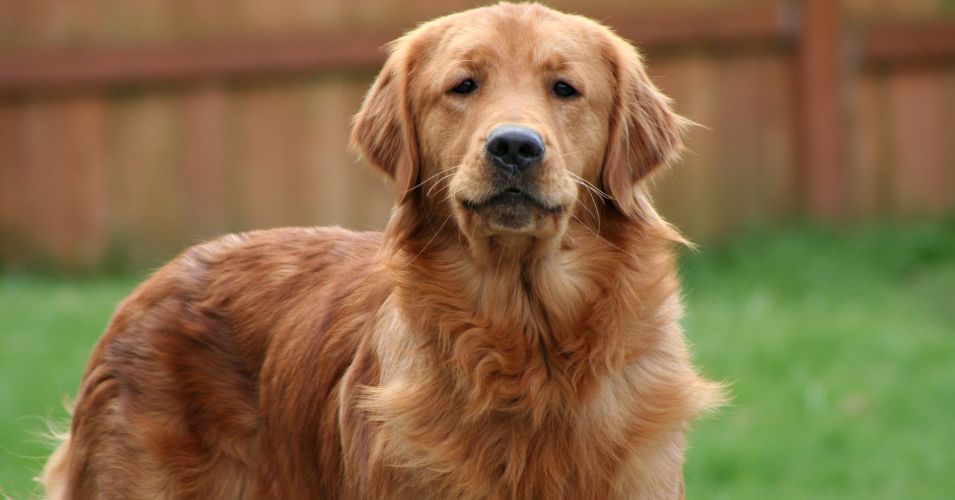
Dogs have shared their lives with humans for thousands of years, creating a bond built on trust, loyalty, and companionship.
While every dog has a unique personality, many naturally develop protective instincts toward the people they love. Sometimes these behaviors are obvious, but other times they are so subtle that owners mistake them for ordinary habits.
Learning to recognize the difference between affection, alertness, and true protective behavior can help you better understand your canine companion. Here are some of the clearest signs your dog may be protecting you and what those actions really mean.
How Your Dog Stays Alert to Your Surroundings
Your dog notices far more than you probably realize. Long before you hear an unfamiliar car pull into the driveway or footsteps outside your front door, your dog has likely already picked up on the sounds. Their sharp hearing and incredible sense of smell allow them to gather information about the world in ways humans simply cannot.
Many protective dogs constantly scan their environment, even when they appear to be relaxing. A dog may be lying on the couch with its eyes closed, yet its ears continue to swivel toward new noises. A sudden movement outside a window or an unfamiliar scent drifting through the yard can instantly grab its attention.
You may also notice your dog quietly positioning itself where it has the best view of the room. Some prefer to sit near entrances, while others choose a spot where they can watch both their family and anyone approaching the home. This is not always a sign of anxiety. Instead, many dogs naturally place themselves where they can keep track of everything happening around them.
Body language can also reveal when your dog has switched into alert mode. Their ears may perk up, their head might lift, and their posture becomes noticeably more focused. Rather than reacting immediately, they often spend a few moments observing before deciding whether something deserves a response.
Many dogs even pay close attention during walks. They frequently glance back at their owners while also scanning the path ahead. If they sense something unusual, they may slow their pace, stop walking for a moment, or subtly move closer to your side. These small adjustments show they are gathering information before moving forward.
This awareness is one reason dogs have earned such a strong reputation as loyal companions. They are constantly processing sights, sounds, and smells that most people completely miss. Even if there is no real danger, your dog is always collecting clues about its surroundings. For a protective dog, staying aware is simply part of looking after the people it cares about most.
The Protective Behaviors You Might Overlook
Not every protective action comes with barking, growling, or standing between you and a stranger. In fact, some of the strongest signs of protection are surprisingly quiet. Because they seem so ordinary, many owners never realize what their dog is actually communicating.
One subtle behavior is choosing to stay close when something feels different. Your dog may follow you from room to room more than usual after hearing unfamiliar noises or noticing someone outside. This is not always because they want attention. Sometimes they simply want to remain nearby until they decide everything is safe.
Another easy to miss habit is watching other people instead of interacting with them. A protective dog may calmly observe a visitor without immediately asking for affection. Rather than acting fearful, it quietly studies the person’s movements, voice, and body language. Once it feels comfortable, it often relaxes and returns to its normal personality.
Some dogs also place themselves between their owner and another person without making a scene. They may sit beside your legs, lean gently against you, or stand where they naturally create a little extra space. These actions often happen without any barking or aggressive displays, making them easy to dismiss as random positioning.
You might also notice your dog checking on you throughout the day. It may briefly leave another room just to see where you are before returning to its favorite spot. While this can be a sign of attachment, it may also reflect a protective instinct to make sure everything is normal.
Even small changes in facial expression or posture can reveal what your dog is thinking. A focused stare, slightly raised ears, or a body that becomes still for a few seconds often means your dog is evaluating a situation. Instead of reacting first, it is deciding whether you need its attention or assistance.
These understated behaviors demonstrate that protection is not always loud or dramatic. In many cases, a dog’s quiet confidence speaks louder than barking ever could. Learning to recognize these subtle signals gives you a deeper appreciation for just how closely your dog watches over you every single day.
When Loyalty Turns Into Guarding
A dog’s desire to protect the people it loves is often a positive trait, but there are times when that instinct becomes too intense. Knowing where the line falls between healthy loyalty and excessive guarding can help you respond in a way that keeps both your dog and those around you safe.
One of the first signs is that your dog begins treating ordinary situations as potential threats. A friend stopping by for a visit, a delivery driver walking to the front door, or even another family member entering the room may trigger an overly protective response. Instead of briefly assessing the situation and relaxing, the dog remains tense and continues to monitor the person.
Some dogs also become possessive of their owners. They may try to block someone from approaching, step between you and another person every time they get close, or bark whenever someone attempts to hug or greet you. While these actions often come from a place of devotion rather than aggression, they can become problematic if left unchecked.
Guarding behavior may also appear outside the home. During walks, a dog might become unusually focused on strangers who pass nearby or react strongly when another dog approaches. Rather than calmly observing the environment, it feels responsible for keeping everything under control.
A confident, well adjusted dog can usually recognize when there is no real danger. Once the unfamiliar person leaves or the situation settles down, it quickly returns to its relaxed state. Dogs that continue guarding long after the moment has passed may need additional guidance and training to help them understand that not every unfamiliar event requires action.
Teaching clear boundaries is an important part of managing protective instincts. Rewarding calm behavior, introducing new people in positive settings, and exposing your dog to a variety of everyday experiences can help build confidence. The goal is not to remove your dog’s natural desire to protect you, but to help it recognize when protection is truly necessary and when it is simply time to relax.
Understanding the Difference Between Protection and Anxiety
Protective behavior and anxiety can sometimes look remarkably similar, which makes them easy to confuse. A dog that barks at unfamiliar sounds, stays close to its owner, or carefully watches strangers may appear protective at first glance. However, the motivation behind those actions is what truly sets the two apart.
A protective dog usually acts with purpose. It notices something unusual, evaluates the situation, and responds in a measured way. Once it realizes there is no genuine threat, it settles back down without much encouragement. Its confidence allows it to move between alertness and relaxation with relative ease.
An anxious dog often has a much harder time calming itself. It may pace around the house, whine frequently, tremble, pant heavily, or react to everyday noises that would not concern a confident dog. Instead of carefully assessing what is happening, it assumes something is wrong and remains on edge.
Pay attention to how your dog behaves after the event is over. A protective dog generally recovers quickly. An anxious dog may continue scanning the room, refusing to settle, or following you everywhere long after the noise or visitor has disappeared. This lingering stress is an important clue that fear, rather than protection, is driving the behavior.
Another difference is how dogs respond to reassurance. A protective dog often relaxes once it sees that you are calm and comfortable with the situation. An anxious dog may continue reacting despite your efforts to reassure it because its emotional state is much harder to regulate.
If you believe your dog is struggling with anxiety rather than simply displaying protective instincts, it is worth discussing the behavior with your veterinarian or a qualified trainer. They can help identify the cause and recommend techniques that encourage confidence and reduce stress.
Recognizing the distinction between protection and anxiety helps you better understand your dog’s needs. A loyal dog wants to keep you safe, while an anxious dog is often searching for reassurance itself. Knowing the difference allows you to support your companion in the way that benefits it most.
Building a Stronger Bond With Your Protective Dog
A protective dog thrives when it feels secure, understood, and connected to its owner. While many people appreciate having a dog that watches over them, the strongest relationships are built on trust rather than constant vigilance. Helping your dog feel confident in your leadership allows it to relax while still maintaining its natural instincts.
Daily routines play a bigger role than many owners realize. Regular walks, play sessions, training exercises, and quiet time together create stability that helps your dog understand what to expect. A predictable lifestyle often reduces unnecessary stress and gives your dog the confidence to focus on enjoying life instead of worrying about every unfamiliar sound or movement.
Positive reinforcement is another powerful way to strengthen your connection. Reward your dog when it responds calmly to visitors, ignores harmless distractions, or looks to you for guidance in new situations. Over time, your dog learns that remaining composed is just as rewarding as reacting to every unexpected event.
Clear communication also makes a difference. Dogs pay close attention to your tone of voice, body language, and emotional state. If you remain calm during unfamiliar situations, your dog is more likely to follow your lead. On the other hand, if you appear tense or nervous, your dog may feel it needs to become even more alert.
Socialization continues to be valuable throughout a dog’s life. Introducing your companion to different people, environments, and experiences in a positive way helps it develop confidence. A well socialized dog is better equipped to tell the difference between an everyday encounter and a genuine concern.
Most importantly, remember that your dog’s protective nature comes from a place of loyalty and affection. It wants to keep its family safe because that bond means everything to it. By providing guidance, consistency, and plenty of positive experiences, you can help your dog balance its protective instincts with a calm, confident outlook. That combination creates a happier companion and an even stronger partnership built on mutual trust.
Final Thoughts
A dog’s protective instincts are one of the many reasons these incredible companions have earned such a special place in our lives. Whether your dog quietly watches the front door, stays close during unfamiliar situations, or carefully observes new people, these behaviors often reflect its deep sense of loyalty and commitment to your safety.
At the same time, it is important to recognize when protective behavior remains healthy and when it begins to cross into excessive guarding or anxiety. Understanding the difference allows you to respond in ways that support your dog’s emotional well being while encouraging balanced behavior.
Every dog expresses protection differently, but one thing remains constant. Their actions are usually rooted in the strong bond they share with the people they love. By learning to recognize these signs and continuing to build trust through positive experiences, you can strengthen that relationship and enjoy many more years with a devoted companion by your side.