
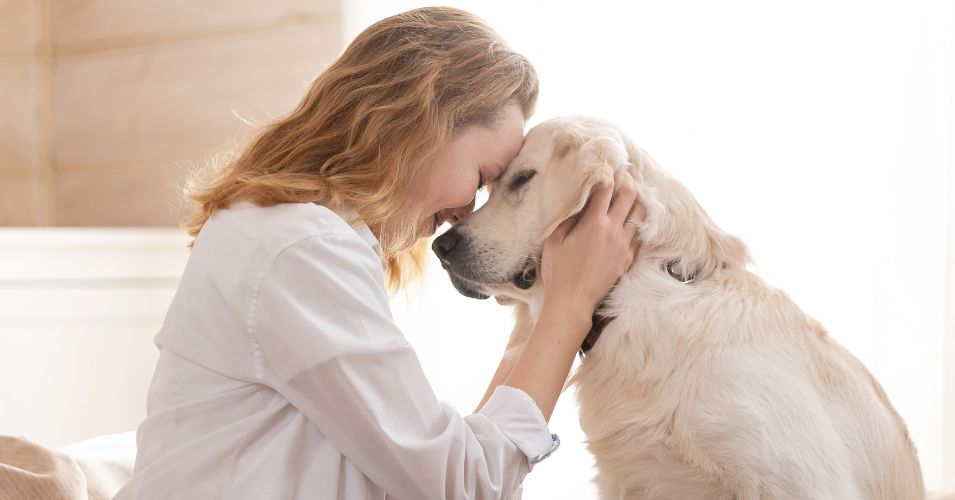
Dogs have a special way of turning ordinary moments into something deeply comforting. A tail wag at the door, the way they follow you from room to room, or the look they give when they feel unsure can reveal how much trust they place in you.
For many dogs, the person who feeds them, protects them, comforts them, and makes them feel safe becomes far more than just an owner. In their eyes, that person becomes the center of security and emotional connection. Some behaviors may even show that your dog sees you in a role similar to a mother figure.
The signs are often subtle at first, but once you notice them, the bond becomes impossible to miss.
They Stay Close When Comfort Matters
One of the clearest signs your dog sees you as a mother figure is the way they naturally stay near you during quiet or uncertain moments. Dogs do not remain close to someone simply out of habit. They stay nearby because that person makes them feel protected and emotionally secure.
Some dogs quietly follow their favorite person from room to room without asking for attention. They may settle beside your chair while you work, lie near your feet while you cook, or wait outside the bathroom door without making a sound. These little habits often reveal deep attachment and trust.
Many dogs also seek physical closeness during stressful situations. Loud storms, fireworks, unfamiliar guests, or sudden changes in routine can send them searching for reassurance. Instead of hiding completely alone, they often come directly to the person they trust most.
A dog that sees you as their emotional safe place may press against your legs or lean their body into yours when nervous. Others place their head on your lap and relax once you touch them gently. These actions resemble the comfort seeking behavior puppies show toward their mothers early in life.
Even confident dogs display this attachment in softer ways. They may sleep near your bedroom door at night or choose a spot beside you even when the rest of the house is empty. Your presence becomes part of what helps them feel settled and safe.
This closeness is especially noticeable when dogs feel unwell or tired. Many become more attached during recovery from illness, after vet visits, or during emotionally difficult periods. Instead of isolating themselves, they often want reassurance from the person who gives them the greatest sense of comfort.
Dogs form emotional connections through consistency, care, and safety. When your dog repeatedly turns to you during vulnerable moments, it often means they see you as more than a companion.
To them, you are the person who makes everything feel okay again.
Your Presence Calms Their Anxiety
Dogs pay close attention to emotional energy, and many quickly learn which person brings them peace during stressful moments. If your dog visibly relaxes when you walk into the room, it may show that they see you as a source of comfort similar to the role a mother provides.
Some anxious dogs pace, whine, or appear restless when left alone. Yet the moment their favorite person returns, their entire body language changes. Their breathing slows, their muscles loosen, and their expression softens almost immediately.
This calming effect can appear in everyday situations as well. A nervous dog at the vet may stop trembling once you speak gently or place a hand on their back. During thunderstorms or busy gatherings, they often look toward you before reacting to the environment around them.
Dogs that feel emotionally connected to someone often use that person as a guide for how safe a situation is. If you remain calm, they begin calming themselves too. Over time, your voice, scent, and presence become deeply tied to feelings of stability.
Many dogs even sleep more peacefully when close to the person they trust most. They may rest more deeply beside your bed or nap comfortably while you sit nearby. The emotional reassurance they feel allows their guard to lower.
Rescue dogs sometimes show this behavior very strongly after building trust with a new owner. A dog that once startled easily or struggled with fear may slowly become more relaxed once they realize one person consistently protects and comforts them. That emotional transformation often reflects a bond built on security.
Some dogs also check in visually during stressful moments. They glance toward you before crossing a busy street, meeting strangers, or entering unfamiliar spaces. That quick look is not random. It is their way of seeking reassurance from the person they rely on most.
When your presence alone helps your dog feel calmer, safer, and more confident, it often points to a bond that goes far beyond ordinary companionship.
Affection Appears in Everyday Habits
Dogs often express love in small routines that become part of daily life without owners even noticing at first. These quiet behaviors can reveal a deep emotional attachment, especially when a dog sees someone as the person they trust and depend on most.
Some dogs greet their favorite person with excitement every single morning, even after sleeping in the same house all night. A wagging tail, soft eyes, and eager body language can show how emotionally important that person is to them. These greetings are not only about routine. They reflect genuine connection.
Many dogs also create tiny rituals centered around the people they love most. They may bring a favorite toy while you relax on the couch or wait patiently nearby while you finish simple tasks around the house. Even sitting quietly beside you can be their way of showing affection and closeness.
Licking is another common sign of attachment. Dogs often lick hands, faces, or arms as a calming and bonding behavior. Puppies naturally lick their mothers, and many adult dogs continue similar actions with the people they feel safest around.
Some dogs lean against their owners during calm moments without asking for attention. Others rest a paw gently on a leg or curl up beside someone at the end of the day. These habits can feel small, but they often carry emotional meaning for the dog.
Eye contact also plays a powerful role in canine bonding. A dog that gazes at you softly while resting nearby usually feels secure and emotionally connected. Dogs rarely maintain relaxed eye contact with people they do not fully trust.
Affection can even appear through simple loyalty during ordinary routines. Your dog may wait outside the door while you shower, follow you through the house, or choose to spend time near you instead of alone in another room. These choices happen naturally because your presence feels comforting and important to them.
When love appears in these steady, everyday ways, it often shows a relationship built on trust, emotional safety, and strong attachment.
They Look to You for Protection and Guidance
Dogs naturally look for leadership from the people they trust most. When your dog consistently turns to you during uncertain situations, it can be a strong sign they see you as their protector and emotional anchor.
Many dogs pause and study their owner’s reaction before responding to something unfamiliar. This can happen around strangers, loud sounds, new environments, or unexpected situations. Instead of reacting immediately on their own, they often wait to see whether their trusted person appears calm or concerned.
A dog that sees you as a protective figure may stay close behind you when feeling unsure. Some hide partially behind their owner’s legs during stressful moments. Others quietly position themselves nearby while observing unfamiliar surroundings.
This behavior reflects trust more than fear. Your dog believes you will recognize danger before they do and help them stay safe. That kind of emotional dependence resembles the way puppies rely on their mothers early in life.
Guidance also appears during training and daily routines. Dogs deeply attached to their owners often watch them closely for cues and direction. They notice tone of voice, body language, and facial expressions with remarkable attention.
Even independent dogs tend to check in frequently with the person they trust most. During walks, they may glance back often or stay aware of where you are at all times. In unfamiliar places, they usually feel more confident when they know you are nearby.
Some dogs also seek protection during physical discomfort or emotional stress. If they feel sick, frightened, or overwhelmed, they often move toward the person they trust rather than away from them. Your reaction helps shape how safe they feel.
Over time, many dogs begin treating their owner as the center of stability within the household. They rely on that person for food, reassurance, routine, and emotional comfort. Because of this, they naturally look toward them for leadership and security.
When your dog watches you closely during uncertain moments and depends on your reactions for reassurance, it often reveals a bond rooted in trust, comfort, and emotional safety.
Excitement Grows Whenever You Return
One of the strongest signs your dog sees you as their mom is the level of joy they show when you come home. Even short separations can feel meaningful to dogs that share a deep emotional bond with their favorite person.
Some dogs begin reacting before the door even opens. They recognize familiar footsteps, the sound of keys, or the noise of a car pulling into the driveway. Within seconds, their excitement becomes impossible to miss.
Many dogs greet their trusted person with full body happiness rather than simple tail wagging. Their whole body wiggles with excitement as they rush toward the door. Some spin in circles, bounce across the room, or carry toys around because they cannot contain their emotions.
This reaction often goes beyond excitement about food or walks. Dogs can become attached to routines, but emotional reunions usually look very different. A dog that truly sees someone as their safe place often appears relieved, comforted, and emotionally recharged when that person returns.
Some dogs immediately calm down once physical contact happens. They lean into hugs, rest against their owner’s legs, or follow closely after the reunion. Others stay nearby for hours afterward because reconnecting feels emotionally important to them.
Dogs that share this kind of attachment often struggle more with separation than with boredom alone. They miss the emotional security tied to the person they trust most. That is why reunions can feel so powerful and emotional for them.
Older dogs sometimes show this bond in quieter ways. Instead of jumping excitedly, they may simply stare lovingly, wag slowly, or walk directly beside their owner after they return home. The affection remains just as deep even when expressed more gently.
These greetings reveal more than temporary excitement. They show attachment, emotional dependence, and genuine love. When your dog reacts as though your return makes the world feel complete again, it often reflects a bond built on trust and comfort.
To your dog, you are not just the person who lives in the house.
You are the person who makes home feel safe again.
Final Thoughts
Dogs may not understand family roles the same way humans do, but they absolutely recognize comfort, protection, and emotional safety. When a dog constantly seeks your presence, relaxes around you, and turns to you during uncertain moments, it often means the bond runs very deep.
Many of the behaviors people see as simple affection are actually signs of trust and emotional attachment. Your dog depends on you not only for care, but also for reassurance and stability throughout daily life.
That connection becomes even more meaningful because dogs give their trust fully. When your dog treats you like their safe place in the world, it is one of the clearest signs that, in their eyes, you truly feel like family.