
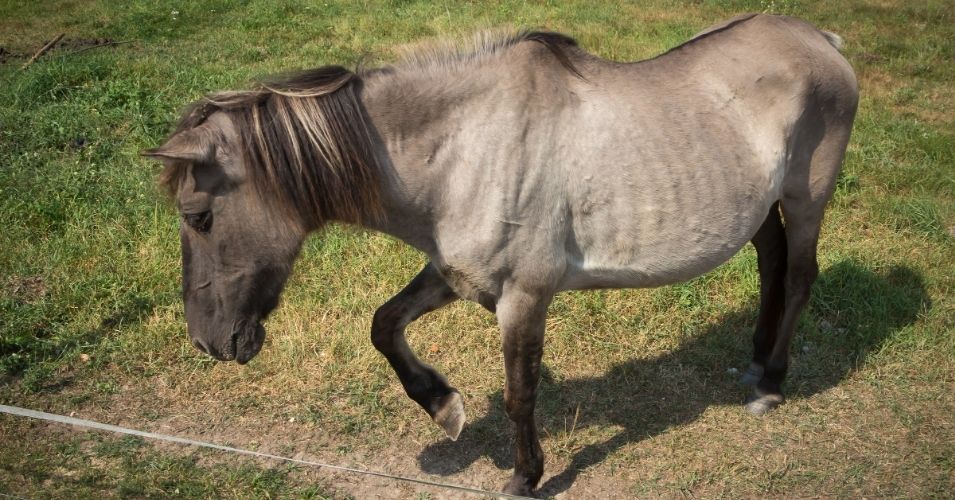
Horses rarely hide their emotions for long. While they may not speak with words, they constantly communicate through posture, habits, appetite, movement, and behavior around people and other animals. A horse that feels stressed, lonely, frustrated, or physically uncomfortable will often show subtle changes before the problem becomes serious.
Many owners miss these clues at first because the signs can appear small or easy to dismiss. A horse may seem stubborn, distant, tense, or unusually quiet when something deeper is bothering them. Paying attention early can improve both their health and their trust in you.
Understanding emotional discomfort in horses helps create a safer and happier environment for them. It also strengthens the bond between horse and owner in ways that make daily care and riding far more rewarding.
Sudden Changes in Everyday Behavior
One of the clearest warning signs of an unhappy horse is a sudden shift in normal behavior. Horses thrive on routine, and most develop very predictable habits around feeding, grooming, turnout, and interaction with people. When those familiar patterns suddenly change, it often points to emotional stress, discomfort, or frustration that should not be ignored.
A horse that once walked eagerly to the gate may suddenly hang back in the pasture and avoid contact. Another may lose interest in treats they normally love or become unusually resistant during grooming sessions. These changes can appear slowly or happen almost overnight depending on the cause.
Some horses grow quiet and withdrawn when they feel emotionally overwhelmed. They may stop showing curiosity about their surroundings and stand alone for long periods without much movement. Owners sometimes mistake this for calm behavior when it may actually signal unhappiness or mental fatigue.
Other horses react in the opposite way and become restless or difficult to handle. A horse that once stood patiently during tacking may begin pawing the ground, shifting constantly, or pinning their ears during simple routines. Small tasks suddenly become tense experiences for both horse and rider.
Changes under saddle can also reveal emotional strain. A normally cooperative horse may refuse jumps, ignore cues, or act defensive during rides. Some become tense the moment they leave the barn while others seem nervous in places that never bothered them before.
Horses often communicate emotional discomfort through small details long before bigger problems appear. Paying attention to those daily habits helps owners catch issues early instead of waiting until behavior becomes dangerous or severe.
Environmental stress can play a major role as well. A move to a new stable, lack of turnout, separation from a companion horse, or inconsistent handling may affect a horse more deeply than many people realize.
The earlier these changes are recognized, the easier it becomes to restore comfort and trust before unhappiness turns into lasting behavioral problems.
Nervous Habits That Reveal Stress
Stress in horses often appears through repetitive nervous habits that grow stronger over time. These behaviors usually develop when a horse feels anxious, trapped, bored, or emotionally unsettled for long periods. While some habits may seem harmless at first, they can point to deeper problems that deserve attention.
One common sign is constant pawing. Horses may scrape the ground repeatedly while tied, standing in a stall, or waiting for food. Occasional pawing can be normal impatience, but nonstop repetition often signals emotional tension or frustration.
Some horses begin weaving back and forth near stall doors or fences. This side to side movement may continue for long stretches throughout the day. Horses showing this behavior are often struggling with confinement, loneliness, or lack of mental stimulation.
Cribbing is another habit strongly linked to stress and boredom. A horse may bite onto wood or fencing while sucking in air repeatedly. Over time, this can damage both the horse’s teeth and the stable itself. It may also become extremely difficult to stop once established.
Tail swishing outside of riding can reveal irritation or nervous energy as well. If a horse constantly flicks or wrings their tail even when flies are not bothering them, it may point to discomfort or emotional distress.
Some unhappy horses become overly alert to every sound or movement around them. Their ears stay tense, their eyes remain wide, and their bodies rarely relax fully. Even in quiet settings, they appear unable to settle comfortably.
Stress can also show through chewing habits, pacing, or repeated head tossing. These actions are often the horse’s attempt to release nervous energy when they feel mentally overwhelmed.
In many cases, nervous habits grow worse when horses spend too much time isolated or confined without enough exercise. Horses are naturally social animals that need movement, interaction, and stimulation to feel emotionally balanced.
Recognizing these patterns early gives owners the chance to improve the horse’s environment before stress becomes deeply rooted in their daily life.
Loss of Energy and Interest
An unhappy horse often begins to lose enthusiasm for things that once brought excitement or curiosity. This change may happen gradually, making it easy to overlook at first. Owners sometimes assume the horse is simply aging or becoming calmer, when emotional distress may actually be playing a major role.
A horse with low emotional well being may spend long periods standing still without interacting much with their surroundings. Their posture can appear dull and heavy, with lowered ears and very little expression in the face. Even during turnout, they may show little desire to explore or move around.
Some horses stop greeting people at the gate or lose interest in social interaction with other horses. A normally friendly horse may no longer approach for attention or grooming. They might turn away instead of showing their usual curiosity and engagement.
Lack of energy can also become obvious during riding sessions. Horses that once moved forward willingly may suddenly feel sluggish and disconnected under saddle. They may respond slowly to cues and seem mentally absent throughout the ride.
This emotional withdrawal sometimes affects appetite as well. A stressed or unhappy horse may eat more slowly or show less excitement during feeding time. In severe cases, they may even begin losing weight because emotional strain can influence digestion and overall health.
Sleep patterns may shift too. Some horses appear exhausted because stress prevents them from fully relaxing and resting properly. Constant anxiety can leave them mentally drained even if they spend hours inside the stall.
Environmental conditions often contribute to this emotional shutdown. Long periods without turnout, limited social contact, lack of stimulation, or harsh training methods can slowly wear down a horse’s spirit over time.
A horse that loses interest in life is communicating that something feels wrong physically, emotionally, or both. Paying attention to these quiet signs matters just as much as noticing dramatic behavior problems.
Restoring confidence and happiness often requires patience, consistency, proper care, and an environment where the horse feels safe, engaged, and understood again.
Aggressive Reactions Around People or Horses
Aggressive behavior in horses is often misunderstood as stubbornness or bad manners when it may actually come from fear, stress, frustration, or emotional discomfort. Horses usually prefer to avoid conflict, so repeated aggression often signals that something deeper is affecting their sense of security.
Pinned ears are one of the earliest warning signs. A horse that constantly flattens their ears during grooming, feeding, or handling may be expressing irritation or emotional strain. If ignored, the behavior can escalate into biting, kicking, or lunging.
Some unhappy horses become defensive when people enter their stall or approach them in the pasture. They may swing their hindquarters toward the person, snap suddenly, or act tense before contact even begins. These reactions often develop when a horse feels overwhelmed or lacks trust.
Aggression toward other horses can reveal emotional imbalance as well. A stressed horse may chase stablemates excessively, guard food aggressively, or struggle to settle peacefully within the herd. Constant tension around companions can make turnout stressful instead of calming.
Pain and discomfort sometimes contribute heavily to aggressive behavior. Horses dealing with sore muscles, poor saddle fit, ulcers, or untreated injuries may react strongly because they associate handling with discomfort. Emotional stress and physical pain often work together, making the reactions more intense.
Training methods also influence emotional stability. Horses exposed to inconsistent handling, rough discipline, or confusing cues may begin responding with fear driven aggression. Over time, they may expect every interaction to feel unpleasant or threatening.
Body language usually provides clues before a major reaction occurs. Tight facial muscles, swishing tails, raised heads, and stiff posture can all appear moments before a horse lashes out. Recognizing these signals early helps prevent dangerous situations.
Some horses become aggressive simply because their emotional needs are ignored for too long. Isolation, boredom, lack of turnout, or constant pressure can slowly build frustration until it eventually surfaces through hostile behavior.
Understanding the cause behind aggression is far more effective than punishing the reaction alone. A horse that feels safe, respected, and physically comfortable is far less likely to respond with fear or anger.
Physical Clues Linked to Emotional Discomfort
A horse’s emotional state often affects the body just as much as the mind. Stress, fear, loneliness, and frustration can slowly appear through physical changes that become more noticeable over time. Many owners focus only on behavior while missing the body language and health shifts that may reveal deeper emotional strain.
Weight loss is one common clue. Even horses receiving enough food may begin dropping weight when emotional stress affects digestion or appetite. Some horses also develop dull coats that lose their healthy shine when they remain anxious for long periods.
Muscle tension can become visible around the neck, shoulders, and back. A stressed horse may carry their body stiffly and struggle to relax even while standing quietly. Tightness during grooming or saddling can sometimes point to emotional discomfort rather than simple disobedience.
Sweating without obvious physical exertion may also signal anxiety. Certain horses begin sweating heavily during routine situations like trailer loading, farrier visits, or separation from companion horses. This reaction often reflects mental stress instead of physical exhaustion.
Changes around the eyes can reveal emotional struggles as well. Unhappy horses may appear dull, tense, or constantly alert. Their expressions often lack the soft and relaxed appearance seen in emotionally secure horses.
Digestive problems are frequently connected to stress. Horses experiencing ongoing anxiety may become more vulnerable to ulcers, appetite changes, loose manure, or signs of stomach discomfort. Emotional distress can affect the digestive system surprisingly quickly.
Some horses begin chewing wood, biting fences, or rubbing themselves excessively when emotional needs are not being met. These repetitive actions sometimes create visible marks or injuries on the body over time.
Poor sleep can also leave physical effects. Horses that rarely rest deeply may appear tired, stiff, or mentally drained throughout the day. Constant alertness prevents the body from fully recovering both physically and emotionally.
The body often speaks before severe behavioral problems develop. Owners who notice these physical warning signs early have a better chance of helping the horse feel healthier, calmer, and more emotionally balanced before stress becomes deeply rooted.
Final Thoughts
Horses communicate far more through behavior and body language than many people realize. Small changes in mood, habits, posture, and energy can all point toward emotional discomfort that deserves attention. Ignoring those signals may allow stress and unhappiness to grow over time.
A happy horse usually appears curious, relaxed, engaged, and comfortable in their surroundings. When those qualities begin to disappear, it is important to look closely at the horse’s environment, routine, health, and daily interactions.
Patience and observation often make the biggest difference. Horses thrive when they feel safe, understood, physically comfortable, and mentally stimulated. Recognizing unhappiness early not only improves their quality of life but also strengthens the trust shared between horse and owner.