
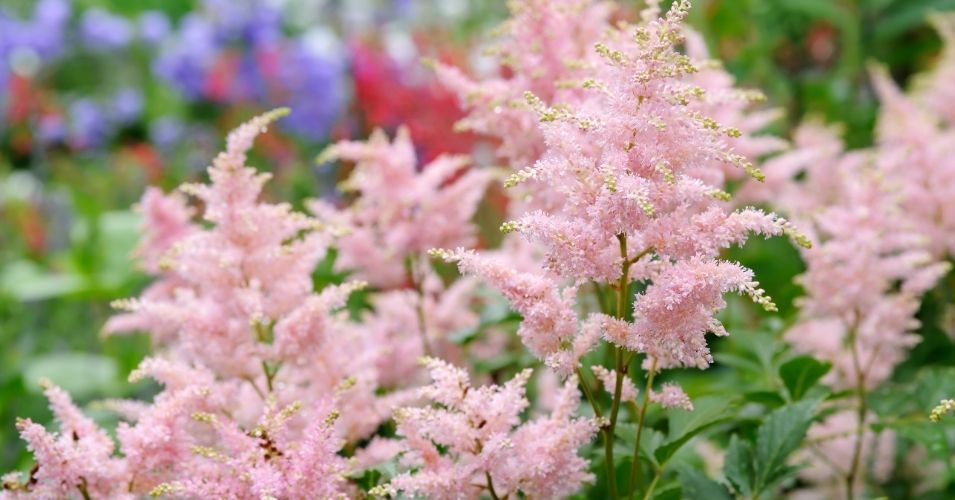
Hostas are a gardener’s dream. With their lush, leafy foliage and ability to thrive in shady spots, they bring life to areas where other plants struggle.
But while hostas look beautiful on their own, pairing them with the right companion plants can take your garden to the next level.
The best companion plants for hostas do more than just look good. They help create contrast, fill in gaps, and even provide natural pest control.
Some plants highlight hostas’ bold leaves, while others add seasonal color to keep your garden interesting all year long.
Choosing the right companions can also protect your hostas from common threats like slugs, deer, and excessive moisture.
By carefully selecting plants that complement hostas, you can create a balanced, thriving shade garden.
Let’s explore the best companion plants for hostas and how they can enhance your landscape.
Ferns
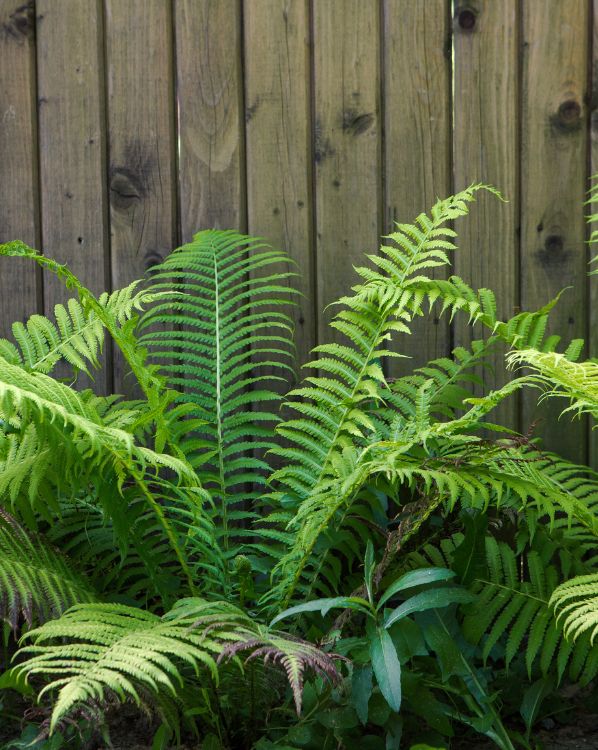
Ferns and hostas are a match made in gardening heaven. Both plants thrive in shady, moist environments, making them natural partners in a woodland-style garden.
What truly makes ferns an ideal companion for hostas is their texture. Where hostas have broad, smooth leaves, ferns offer delicate, feathery fronds that create a beautiful contrast.
This pairing adds depth and dimension to garden beds, making the space feel lush and full.
Ferns are also excellent for filling in the gaps between mounding hostas. Their arching fronds soften edges and prevent bare patches from forming around your plants.
There are plenty of fern types that grow well alongside hostas. Japanese painted ferns, with silver and purple-tinged fronds, add a touch of color that pops against green leaves.
Lady ferns bring a light, airy feel that enhances the texture of any shady garden. Ostrich ferns grow tall, providing a layered backdrop for shorter varieties of hostas.
Beyond aesthetics, ferns also help with pest control. Hostas are a favorite snack for slugs and deer, while ferns tend to be ignored by these common pests.
Planting ferns around hostas can act as a natural deterrent, helping reduce leaf damage.
Both plants are low-maintenance and thrive with minimal care. Once established, they will reward you year after year with consistent, reliable growth.
Together, hostas and ferns form a timeless pairing that looks both effortless and refined.
Astilbes
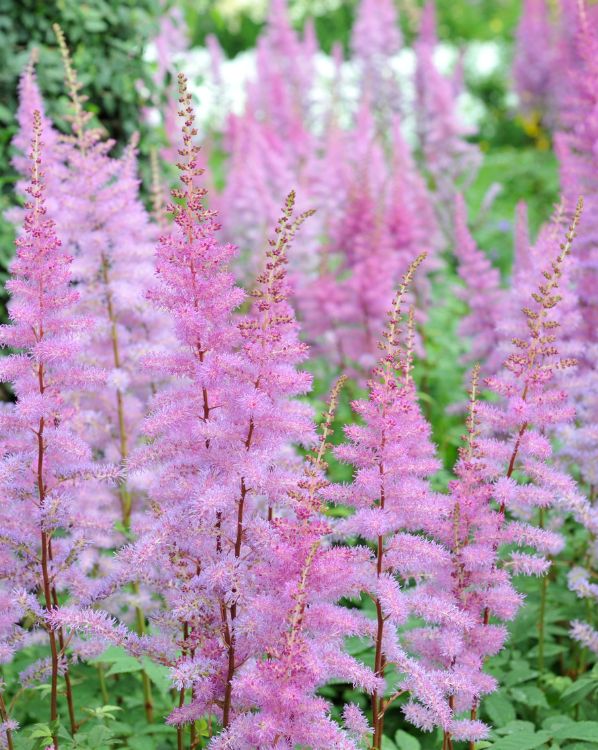
If you love the bold foliage of hostas but want to add color, astilbes are the perfect solution. These shade-loving perennials bring soft, feathery plumes of flowers in shades of pink, red, white, and purple.
They thrive in partial to full shade, just like hostas, and prefer consistently moist soil, making them a natural fit in the same garden bed.
Astilbes offer long-lasting blooms from early to mid-summer. Their flowering fills in a seasonal gap, bringing color just as hostas are settling into their full leafy presence.
The fern-like foliage of astilbes also adds lightness and texture. This contrast enhances the visual appeal of thicker, rounded hosta leaves.
Varieties like ‘Fanal’ offer deep red blooms that stand out against blue or green hostas. ‘Bridal Veil’ produces soft white plumes that lend a graceful, understated look.
If you want something delicate and romantic, ‘Peach Blossom’ adds pale pink flowers that blend beautifully with variegated hostas.
Astilbes and hostas enjoy the same growing conditions. They love rich soil and need steady moisture to thrive.
Watering regularly, especially during dry spells, will keep both plants looking their best.
With the addition of astilbes, a hosta garden becomes more dynamic. You’ll enjoy not only lush foliage but also bursts of seasonal color and texture.
Heucheras
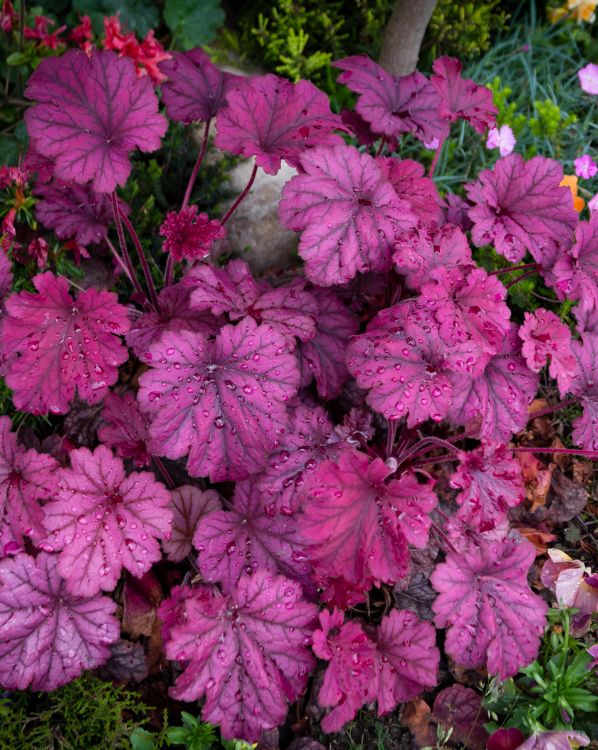
If flowers are not your main focus, heucheras bring a splash of color through their vibrant leaves. These coral bells come in shades of deep purple, fiery red, bright green, and even sunset orange.
They complement hostas by offering contrasting foliage that stays colorful through the growing season and beyond.
The ruffled, scalloped edges of heuchera leaves provide visual interest. Their smaller size and semi-glossy texture soften the bold structure of hostas.
Planted together, these two create a layered look that feels balanced and intentional.
Heucheras also do well in the same conditions as hostas. They prefer moist, well-drained soil and partial shade to maintain their vivid hues.
Their compact form helps fill in gaps between hostas, which helps suppress weeds and retain soil moisture.
In late spring to early summer, delicate flower spikes rise above the leaves. These small, bell-shaped blooms attract bees and hummingbirds, adding another element of life to the garden.
For bold contrast, try varieties like ‘Obsidian’ with deep purple leaves next to light-green hostas. ‘Lime Marmalade’ creates a chartreuse punch that glows against darker foliage.
If you like warm tones, ‘Fire Alarm’ and other red varieties offer a rich, energetic presence in the shade.
Adding heucheras to your hosta garden brings bold color and subtle texture. It keeps your beds interesting even when hostas are not in bloom.
Bleeding Hearts
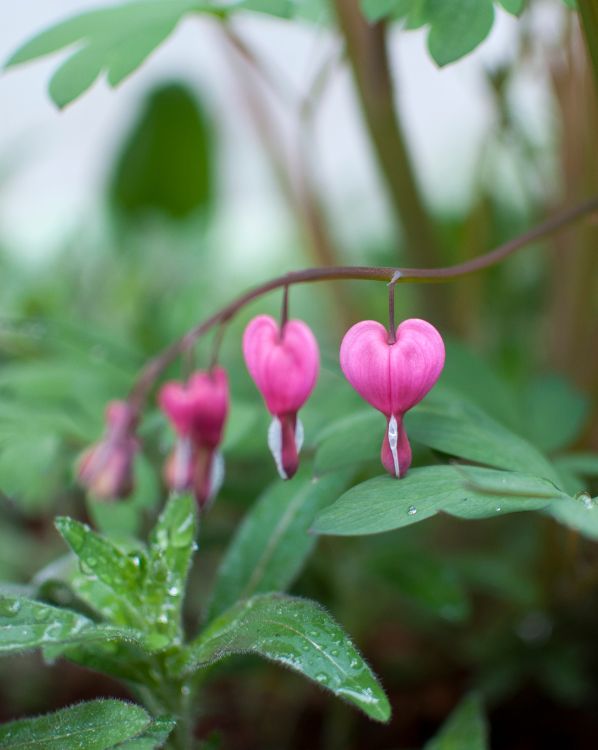
Few plants bring the delicate charm of bleeding hearts. With arching stems and heart-shaped flowers, they add elegance and softness to any shaded garden.
Their blooms, often pink or white, dangle like tiny lanterns and create a romantic atmosphere among structured hosta leaves.
One of their greatest advantages is timing. Bleeding hearts bloom in early spring, just before hostas fully leaf out.
As the season progresses, bleeding hearts naturally fade and go dormant. This is when hostas rise up to fill in the space, creating a seamless flow through the growing season.
They work together in perfect harmony. Bleeding hearts provide early blooms and a graceful silhouette, while hostas take over in summer with rich foliage.
Both plants thrive in similar conditions. They enjoy cool, moist, well-drained soil with plenty of organic matter and shade from direct sun.
Once established, bleeding hearts are low-maintenance and dependable. They return each year with little effort.
Try pairing pink Dicentra spectabilis with green or blue hostas for a vintage cottage look. For a cleaner, more refined contrast, use the white-flowered ‘Alba’ variety.
Fringed bleeding hearts like Dicentra eximia bloom longer into the season and feature finer, fern-like foliage that pairs beautifully with smaller hosta varieties.
Together, these plants bring movement and seasonal layering that elevate your shade garden from simple to enchanting.
Brunnera
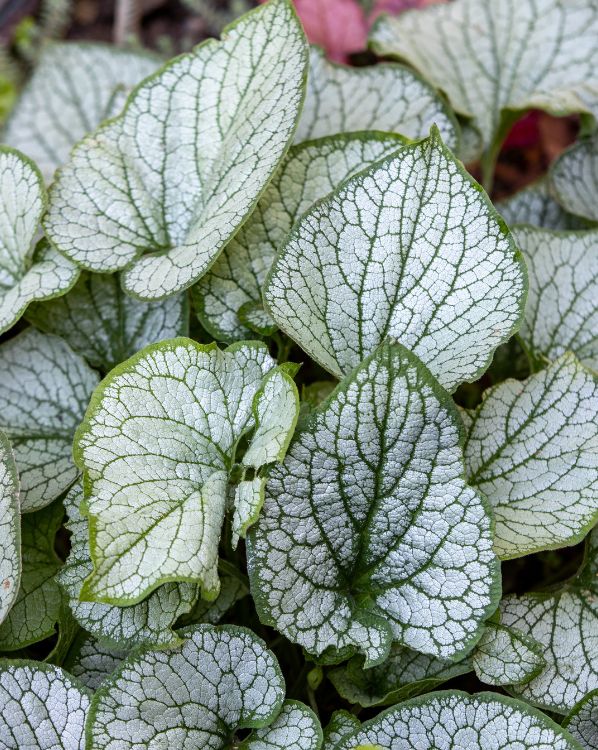
Brunnera adds a magical touch to hosta beds with its heart-shaped leaves and delicate blue blooms. Often called false forget-me-not, this perennial is a gem for shady spaces.
Its early-spring flowers add a splash of blue before most hostas reach their peak.
Even after flowering ends, brunnera shines with foliage that often features silver or variegated tones. Varieties like ‘Jack Frost’ have shimmering, frosty leaves that glow in low light.
This texture and color create a striking contrast to bold green or blue hosta leaves.
Brunnera thrives under the same conditions as hostas. It prefers partial to full shade, moist, rich soil, and consistent moisture throughout the season.
Its slightly rough leaves are less appealing to slugs, which can help protect nearby hostas from damage.
With a lower growth habit, brunnera works well as a ground cover. It fills in bare spots beneath taller hostas, helps prevent weeds, and adds visual variety at the base of your plants.
It is an especially good choice for shady borders, woodland gardens, or damp corners where other plants might struggle.
Once it is established, brunnera requires little upkeep beyond occasional watering. It holds its form through summer and blends well into perennial beds.
When paired with hostas, it provides layers of texture and a touch of spring color that carry through the growing season.
Final Thoughts
Hostas may be the star of your shade garden, but the right companions can turn that garden into something unforgettable.
Ferns bring texture, astilbes add bright blooms, heucheras offer colorful foliage, bleeding hearts deliver graceful form, and brunnera fills in with silvery beauty and early flowers.
Each of these plants complements hostas in a unique way, enhancing contrast, extending seasonal interest, and supporting a healthy, balanced garden.
By combining plants with similar growing needs but different textures, shapes, and colors, your garden becomes more than just green leaves.
It becomes a rich, layered landscape full of movement, life, and lasting beauty from spring through fall.