
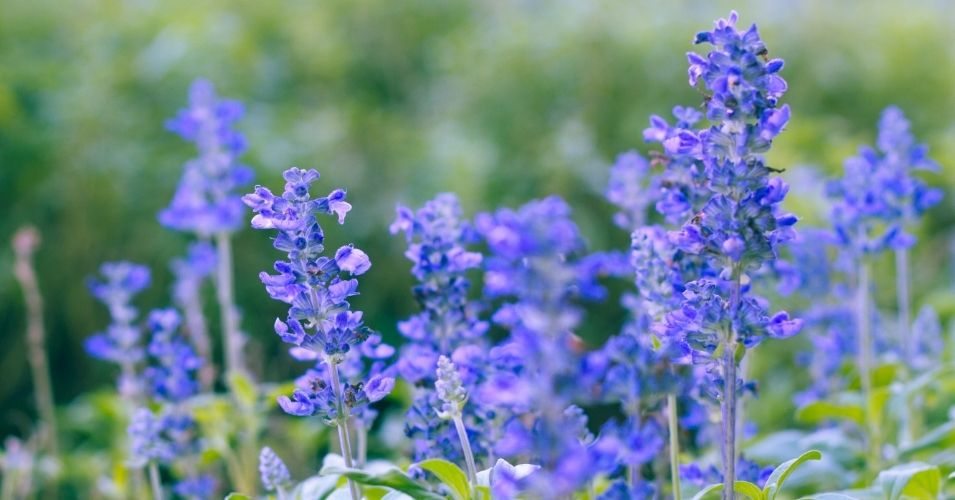
Blue flowers have a way of making a garden feel calm, refreshing, and unforgettable. Some bloom in early spring while others carry color through the hottest parts of summer, giving gardeners plenty of choices for every season and style.
A well planned garden filled with blue perennials can feel peaceful in the morning and dramatic in the evening light. These plants also attract butterflies, bees, and hummingbirds, which helps create a lively outdoor space that never feels dull.
Whether you love cottage gardens, formal borders, or wild natural landscapes, blue flowers can fit almost anywhere and continue rewarding you for many years.
Blue Flowers That Return Reliably
Some perennials impress gardeners for one season and then slowly fade away, but others return stronger every single year with very little disappointment.
Blue flowering varieties often become favorites because they create a softer and more peaceful look than bright reds or oranges while still drawing attention across the garden. Once these dependable plants settle into the soil, many of them continue blooming faithfully with only simple care.
Blue salvia is one of the easiest choices for gardeners who want long lasting color without constant work. Its upright flower spikes appear in late spring and continue well into summer, especially when faded blooms are trimmed away occasionally. Bees and butterflies visit constantly, which makes the garden feel alive from morning until evening.
Another dependable favorite is Siberian iris, a perennial known for graceful foliage and elegant blue blooms that return every spring. The flowers sway gently in the breeze and look especially beautiful near walkways, ponds, or mixed borders. Even after the blooms disappear, the tall green leaves continue adding texture for the rest of the season.
Gardeners who enjoy cottage style landscapes often fall in love with forget me not flowers because they spread naturally and fill empty spaces with clouds of soft blue color.
These plants may look delicate, but they often reseed themselves and continue returning in surprising places year after year. Their cheerful appearance helps soften garden edges and pairs beautifully with pink, white, or purple blooms nearby.
Balloon flower is another reliable perennial that deserves more attention in modern gardens. Before opening, the flower buds puff up like tiny balloons, which gives the plant a playful appearance even before blooming begins. Once the flowers open, the rich blue color stands out beautifully against green foliage and continues attracting attention through summer.
Reliable blue perennials also tend to age gracefully without becoming messy or difficult to manage. Many of them slowly grow larger over time, giving gardeners fuller flower beds without needing to constantly buy new plants. That dependable growth pattern makes them especially rewarding for gardeners who want beauty that lasts for many seasons.
Tall Blue Perennials That Command Attention
Tall perennials can completely transform the feeling of a garden because they add height, structure, and drama that smaller plants simply cannot provide. Blue flowering varieties are especially striking since cooler shades naturally create contrast against bright green leaves and warmer colored blooms.
When planted near fences, patios, or the back of flower beds, these towering plants quickly become impossible to ignore.
Delphiniums are among the most breathtaking tall blue perennials you can grow in a home garden. Their flower spikes can rise several feet high and become covered in vivid blue blossoms that almost resemble something from a painting. During peak bloom, they create a dramatic vertical display that instantly draws the eye from across the yard.
Another impressive option is blue false indigo, a sturdy perennial known for both beauty and toughness. Unlike some delicate flowering plants, this perennial handles difficult weather surprisingly well once established. Its tall stems carry clusters of blue flowers in late spring, and the plant eventually forms a large shrub like shape that adds strong structure to garden spaces.
Tall blue perennials are especially helpful in layered landscapes where shorter flowers alone can make the garden feel flat or unfinished. Height adds movement and dimension while helping smaller plants stand out more clearly beneath them. Even a single tall perennial placed carefully in the right location can make an ordinary flower bed feel far more balanced and complete.
Monkshood is another striking perennial that delivers deep blue blooms on upright stems late in the growing season. The hood shaped flowers look unique compared to many common garden plants, which helps the garden feel more interesting and less predictable.
Because it blooms later than many other perennials, it also helps extend color into parts of the season when some flower beds begin looking tired.
Many tall blue perennials also create beautiful backdrops for shorter flowers planted nearby. Pale yellow blooms, white daisies, and silver foliage often look even more vibrant when paired with strong blue tones rising behind them. This layered effect creates gardens that feel rich, colorful, and full of depth without appearing overcrowded.
Compact Bloomers Perfect For Borders
Not every garden has space for towering flowers that spread across large areas, which is why compact blue perennials are so valuable.
These smaller plants fit neatly along pathways, around patios, and near the front of flower beds while still delivering impressive color throughout the growing season. Their tidy growth habit helps gardens look organized without feeling stiff or overly formal.
Blue fescue is one of the most useful compact plants for borders because its icy blue foliage stays attractive even when flowers are not blooming. The rounded grassy clumps add texture and contrast beside flowering perennials, making nearby plants stand out more clearly. Its compact shape also makes it ideal for edging sidewalks or filling smaller gaps between larger plants.
Another excellent choice is dwarf lobelia, a low growing perennial that produces masses of rich blue blooms during warm weather. The flowers spill gently over container edges and soften the appearance of stone borders or raised beds. Because the blooms appear in such large numbers, even a small planting can create a noticeable splash of color.
Compact border plants often help tie an entire garden together because they create smoother transitions between taller flowers and open ground. Without these shorter layers, flower beds can sometimes appear uneven or unfinished. Smaller blue perennials bring balance while still contributing enough color to keep the landscape lively and interesting.
Brunnera is another favorite for gardeners who want dependable blue blooms in compact spaces. Its tiny flowers resemble forget me not blossoms, but the heart shaped leaves remain decorative long after the blooms fade. Many varieties also feature silver patterned foliage, which brightens shaded borders and gives the garden extra visual interest.
Smaller blue perennials are also easier to mix with other colors because they rarely overpower nearby plants. White alyssum, pink dianthus, and soft yellow flowers all pair beautifully with compact blue bloomers along borders and walkways. This combination creates flower beds that feel calm, welcoming, and carefully designed without requiring constant maintenance.
Blue Flowers Thriving In Heat
Hot summers can quickly wear down delicate flowers, especially during long stretches of dry weather and intense afternoon sun. Fortunately, some blue perennials handle heat remarkably well and continue producing vibrant blooms even when temperatures climb. These resilient plants help gardens stay colorful when many other flowers begin fading or struggling.
Russian sage is one of the best choices for hot and sunny landscapes because it thrives in conditions that would stress many traditional garden plants. Its silvery foliage and airy blue flowers create a soft cloud of color that lasts through much of summer. Once established, it requires very little watering and continues looking attractive even during dry periods.
Another outstanding heat loving perennial is catmint, a plant known for its long blooming season and relaxed appearance. The lavender blue flowers attract bees and butterflies constantly, turning quiet garden corners into active pollinator spaces.
Gardeners also appreciate how quickly catmint rebounds after trimming, often producing another wave of blooms later in the season.
Heat tolerant blue flowers are especially important in modern gardens because hotter summers have become increasingly common in many regions. Plants that survive extreme conditions without constant watering save both time and effort for gardeners. They also reduce frustration by keeping flower beds lively instead of dull and exhausted during the hottest weeks of the year.
Sea holly offers a completely different look from softer blue perennials because its metallic blue flowers appear bold and almost architectural. The spiky blooms stand out dramatically against green foliage and hold their shape well through intense summer heat. This unusual plant also adds strong texture, helping gardens feel more dynamic and visually layered.
Blue flowers that thrive in heat often look especially beautiful when paired with plants that enjoy similar conditions.
Ornamental grasses, black eyed Susans, and coneflowers all combine naturally with heat loving blue perennials to create landscapes filled with movement and color. These combinations continue looking vibrant long after many cool weather flowers have disappeared from the garden.
Pollinator Favorites Filled With Blue Color
A garden filled with blue flowers often becomes far more than a beautiful outdoor space because it quickly attracts bees, butterflies, and hummingbirds looking for nectar.
Pollinators seem naturally drawn to shades of blue and purple, especially during warm sunny afternoons when flowers are fully open. By planting long blooming blue perennials, gardeners can create an active landscape that feels full of motion and life throughout the season.
Bee balm is one of the most exciting pollinator plants you can grow because its unusual flowers attract constant attention from hummingbirds and butterflies. The shaggy blooms add texture as well as color, helping flower beds look more energetic and layered. Once the plant begins blooming, the garden often feels noticeably more alive from sunrise until evening.
Another excellent pollinator favorite is great blue lobelia, a native perennial known for its tall spikes covered in vivid blue blossoms. Bees frequently gather around the flowers, while butterflies drift from stem to stem during late summer. The upright shape also makes this perennial useful for adding height without overwhelming nearby plants.
Blue flowering perennials help pollinator gardens feel calmer and softer compared to landscapes dominated by brighter shades like orange or red.
The cooler tones blend naturally with green foliage and create a more peaceful atmosphere while still supporting wildlife. This combination of beauty and usefulness makes blue perennials especially rewarding for gardeners who want more than simple decoration.
Agastache, sometimes called hummingbird mint, is another strong choice for pollinator friendly gardens because its flower spikes bloom heavily through summer heat. The sweet fragrance and nectar rich blooms attract bees constantly, turning even a quiet corner of the yard into a busy gathering place for beneficial insects. Its drought tolerance also makes it practical for gardeners who want reliable color without excessive watering.
Pollinator gardens filled with blue flowers often become some of the most memorable parts of a landscape because they combine movement, sound, and color in a natural way.
Watching butterflies float across the garden or hearing bees buzzing around nearby blooms adds another layer of enjoyment that goes far beyond appearance alone. These living spaces continue rewarding gardeners year after year with beauty that always feels active and full of energy.
Final Thoughts
Blue perennials bring a rare combination of beauty, reliability, and calmness to the garden that few other plants can match. Their cool tones pair easily with almost any landscape style, whether the space is formal, relaxed, colorful, or natural.
Once established, many of these plants continue returning year after year with very little effort required. From towering delphiniums to compact border flowers and pollinator favorites, blue perennials offer something for nearly every gardener and every growing condition.
They brighten flower beds, attract wildlife, and help outdoor spaces feel more peaceful during the busiest parts of summer. Plant them once, care for them well, and they can continue rewarding your garden with unforgettable color for many seasons ahead.