
Many gardeners love the beauty of shrubs, but not everyone enjoys dragging out pruning tools every few weeks. Some plants constantly demand shaping and trimming to keep them from looking wild or uneven. Others quietly grow into graceful forms on their own, needing little more than sunlight, water, and occasional care.
Low maintenance shrubs can save time while still filling your yard with color, texture, and structure. They also help create a calmer gardening experience because you spend less time correcting overgrowth and more time enjoying the landscape itself.
These easygoing shrubs fit beautifully into busy schedules. Whether you want evergreen privacy, colorful blooms, or year round interest, there are plenty of reliable choices that stay attractive without constant attention.
Naturally Rounded Shrubs With Elegant Shape
Some shrubs seem to understand balance without any help from the gardener. Instead of shooting out awkward branches or turning into tangled masses, they slowly grow into soft rounded forms that look polished year after year. These plants are perfect for people who want a clean landscape without spending weekends shaping every branch by hand.
One of the best examples is Boxwood, especially slower growing varieties that naturally hold a neat dome shape. While many people trim boxwoods into formal hedges, they often look just as beautiful when left alone. Their dense green foliage creates structure in every season, and the plant rarely develops the chaotic growth patterns that force constant pruning.
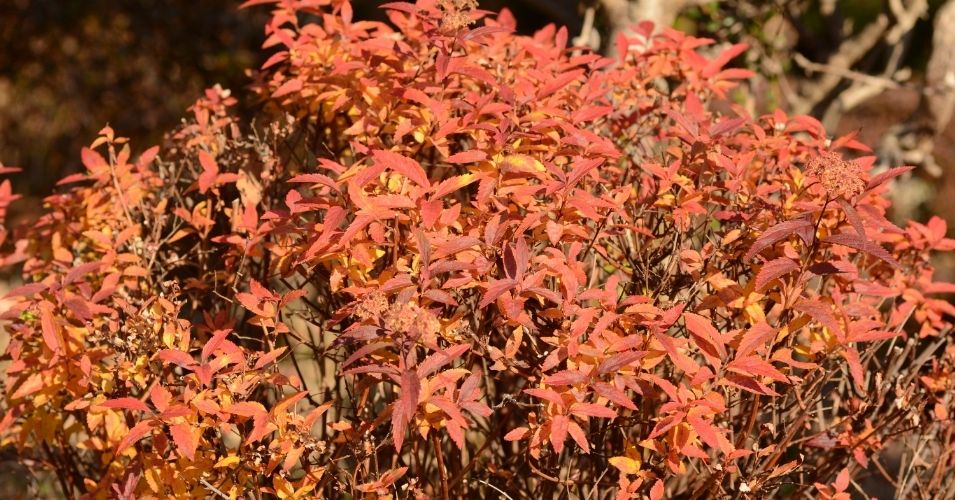
Japanese Spirea is another shrub that behaves remarkably well in the garden. It stays compact while producing colorful foliage and clusters of flowers through the warmer months. The rounded shape feels soft rather than stiff, making it useful in both casual and formal landscapes.
Some gardeners are surprised by how tidy Dwarf Globe Arborvitae remains with almost no effort. The shrub grows slowly and keeps a naturally symmetrical form that works beautifully near pathways, patios, or entryways. Even after several years, it usually needs little more than the removal of an occasional stray branch.
Ninebark varieties with compact growth habits can also maintain an attractive silhouette without regular shaping. Their textured leaves and peeling bark add visual interest long after the flowers fade. Since many modern cultivars stay manageable in size, they rarely overwhelm surrounding plants.
A major reason these shrubs succeed is that they grow at a measured pace. Fast growing plants often become unruly because they stretch aggressively toward light and space. Slower growers develop fuller branch structures, which helps them keep balanced proportions naturally.
These rounded shrubs also create a calmer look in the landscape. Instead of sharp lines and heavily clipped forms, they bring softness and movement while still appearing organized. That balance makes a yard feel welcoming without looking overly controlled.
For gardeners who enjoy attractive landscapes but dislike endless maintenance, shrubs with elegant natural forms can completely change the gardening experience. They prove that beauty does not always require constant correction.
Evergreen Favorites That Stay Tidy
Evergreen shrubs often carry the burden of keeping a landscape attractive during winter, which is why messy growth can become especially noticeable once flowers and summer color disappear. Thankfully, several evergreen varieties stay neat on their own while providing reliable texture and color throughout the year.
Inkberry Holly is one of the easiest evergreen shrubs for low maintenance gardens. Unlike some hollies that become leggy over time, inkberry keeps a fuller appearance with very little intervention. Its dark green foliage blends easily with other plants and creates a calm backdrop in foundation beds.
Another dependable option is Dwarf Yew, which grows slowly and evenly instead of producing wild bursts of growth. The soft needles create a rich appearance that works well in both sunny and partially shaded areas. Because the shrub matures gradually, it usually maintains its shape without frequent trimming.
Mountain Laurel offers something slightly different by combining evergreen foliage with striking spring flowers. Even after blooming ends, the plant continues to hold an attractive form that rarely looks disorderly. It works especially well in woodland inspired gardens where a natural appearance is preferred.
Some evergreen shrubs become difficult because they outgrow their spaces too quickly. Choosing compact varieties from the beginning prevents that problem before it starts. A shrub planted in the right location often requires far less maintenance than one constantly fighting for room.
Dwarf Japanese Holly has become increasingly popular for exactly that reason. It resembles boxwood but tends to handle different growing conditions more easily while still keeping a tidy structure. The tiny leaves create a refined texture that looks attractive through every season.
Even broadleaf evergreens like Pieris Japonica can stay surprisingly graceful with little pruning. New growth often appears in shades of bronze or red before turning green, adding extra color without additional work from the gardener. The cascading flower clusters in spring only increase its appeal.
One overlooked advantage of tidy evergreen shrubs is how much visual stability they provide. During colder months, they continue framing walkways, patios, and flower beds while many other plants disappear completely. Since they hold their shape naturally, the landscape still feels cared for even when little garden work is happening.
For busy gardeners, these reliable evergreens offer the perfect combination of structure, color, and simplicity. They quietly do their job year after year without demanding constant attention.
Flowering Bushes That Keep Their Form
Many flowering shrubs put on a spectacular show for a few weeks, only to become sprawling and uneven once the blooms disappear. That can leave gardeners constantly trimming branches just to restore a cleaner appearance. Fortunately, some flowering bushes stay attractive long after flowering season ends because their natural growth habits remain balanced and compact.
Weigela is one shrub that combines colorful flowers with a dependable shape. Modern dwarf varieties stay far neater than older types and rarely develop the loose, floppy branches that once made pruning necessary. During late spring and early summer, the plant fills with trumpet shaped blooms that attract hummingbirds and butterflies.
Potentilla is another reliable choice for gardeners who want nonstop color without nonstop work. The shrub stays compact while producing cheerful flowers across much of the growing season. Since it rarely grows aggressively, it usually keeps a rounded outline with little intervention.
Some flowering shrubs also offer appealing foliage that helps them remain decorative after blooming fades. Abelia is especially useful because its glossy leaves and graceful arching branches continue adding texture to the garden well into autumn. Newer compact cultivars stay dense and controlled without regular shaping.
Dwarf Lilac varieties provide another low maintenance option for sunny yards. Unlike larger traditional lilacs that can become oversized and woody, these smaller selections stay much more manageable. Their fragrant blooms create a strong seasonal highlight while the shrub itself maintains a pleasing form throughout the year.
The secret behind many tidy flowering shrubs lies in thoughtful breeding. Plant growers have spent years developing compact cultivars that bloom heavily without producing excessive growth. That allows gardeners to enjoy abundant flowers without constantly cutting plants back into shape.
Flowering shrubs with naturally balanced growth also fit beautifully into mixed garden beds. They blend more easily with perennials and ornamental grasses because they do not aggressively crowd neighboring plants. The overall landscape feels softer and more harmonious as a result.
For gardeners who want both beauty and simplicity, these flowering bushes deliver the best of both worlds. They fill outdoor spaces with color and life while remaining refreshingly easy to manage.
Compact Shrubs Perfect For Small Yards
Small yards can quickly feel crowded when shrubs grow larger than expected. A plant that looks modest at the garden center may eventually swallow walkways, windows, or flower beds if it matures far beyond its allotted space. Compact shrubs solve that problem by staying naturally smaller and requiring very little pruning to remain attractive.
Dwarf Hydrangea varieties have become especially popular for tighter landscapes. These shrubs provide the lush flowers people love while fitting comfortably into smaller garden beds. Since many newer cultivars grow in tidy mounded forms, they rarely need heavy shaping to stay appealing.
Blue Star Juniper is another excellent choice for limited spaces. Its silvery blue foliage adds year round color while the low spreading habit creates texture without overwhelming nearby plants. Because it grows slowly, the shrub keeps its neat appearance with almost no maintenance.
Some compact shrubs also work beautifully in containers or courtyard gardens where space is especially limited. Heavenly Bamboo, often called Nandina, offers delicate foliage that changes color through the seasons while staying relatively contained. Dwarf selections provide all the visual interest of larger varieties without taking over the landscape.
Dwarf Fothergilla adds another layer of beauty through fragrant spring blooms and brilliant autumn color. Even with multiple seasons of interest, the shrub remains manageable and rarely becomes unruly. Its rounded growth habit gives small gardens a polished look without feeling stiff or artificial.
One major advantage of compact shrubs is how easily they fit into modern lifestyles. Smaller properties often leave little time or room for constant maintenance, so plants that stay naturally controlled become far more practical. Gardeners can enjoy rich texture and color without worrying about major pruning projects every season.
Compact shrubs also help create cleaner visual lines in small outdoor spaces. Oversized plants can make a yard feel cramped, but smaller shrubs keep pathways open and preserve a sense of balance. The landscape appears more spacious and organized even when square footage is limited.
For homeowners working with patios, narrow side yards, or modest suburban lots, compact shrubs offer tremendous flexibility. They bring personality and structure into the garden while remaining comfortably in scale with the surrounding space.
Hardy Landscape Plants That Thrive Untouched
Some shrubs perform best when gardeners simply step back and allow them to grow naturally. These tough landscape plants tolerate difficult weather, uneven soil, and occasional neglect while still maintaining attractive forms. Instead of demanding constant shaping or correction, they quietly settle into the landscape and continue thriving year after year.
Red Twig Dogwood is a perfect example of a shrub that delivers beauty with very little effort. During the growing season, its green foliage creates a soft natural texture. Once winter arrives, the bright red stems suddenly become one of the most eye catching features in the yard.
Virginia Sweetspire is another dependable shrub that rarely asks for attention. It handles wet soil better than many other landscape plants while still producing graceful arching branches and fragrant white flowers. In autumn, the leaves often turn brilliant shades of orange and burgundy that last for weeks.
Some hardy shrubs succeed because they adapt easily to changing conditions. Shrub Roses, especially newer disease resistant varieties, can maintain dense growth and steady blooms without constant pruning. They provide a softer and more relaxed appearance compared to traditional high maintenance rose bushes.
Serviceberry also deserves attention for its ability to look attractive in nearly every season. Spring flowers appear before many other shrubs wake up, followed by berries that attract birds during summer. Even the branching structure remains visually appealing through winter.
Many of these resilient shrubs evolved to handle unpredictable environments, which explains why they continue performing well even when gardeners forget about them for a while. They tolerate heat, cold, wind, and inconsistent watering better than fussier ornamental plants.
Hardy landscape shrubs also create a more natural atmosphere in the yard. Instead of looking tightly controlled, the garden feels relaxed and established. The plants appear comfortable in their surroundings because they are not constantly being forced into artificial shapes.
For busy homeowners, these shrubs remove much of the stress that sometimes comes with landscaping. They continue providing color, texture, and structure without turning every season into another major maintenance project. In many cases, the healthiest thing a gardener can do is simply let these reliable plants grow as nature intended.
Final Thoughts
A beautiful yard does not have to come with endless trimming, shaping, and correcting. Many shrubs naturally grow into balanced, attractive forms while asking for very little in return. By choosing plants that stay tidy on their own, gardeners can spend less time maintaining the landscape and more time actually enjoying it.
Low maintenance shrubs also create a calmer gardening experience. Instead of constantly fighting aggressive growth, you can appreciate changing flowers, evergreen texture, and seasonal color without feeling overwhelmed by upkeep.
The right shrubs quietly improve a landscape year after year. Sometimes the best garden choices are the ones that thrive beautifully with the least amount of interference.