
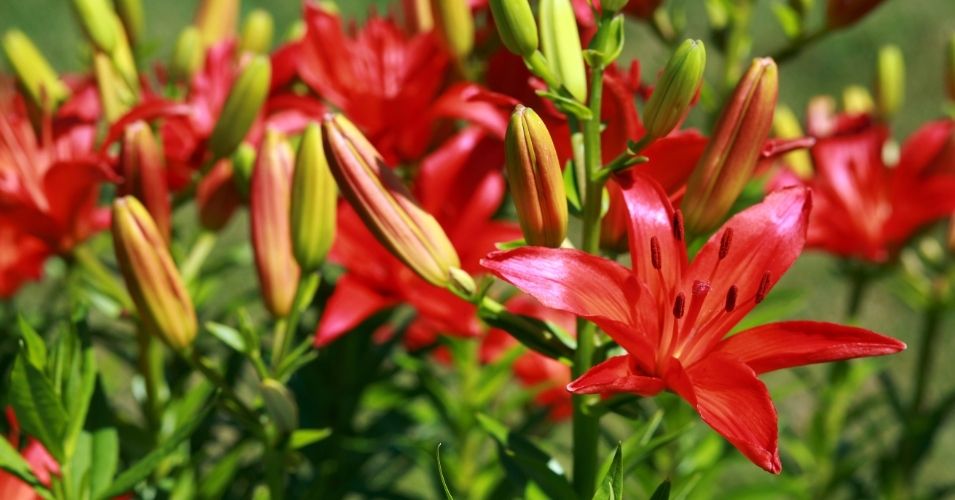
Daylilies bring bright color and steady charm to a garden, but summer can leave them looking tired if they are not trimmed with care. Knowing how to prune them at the right time helps the plant stay fresh, encourages new blooms, and keeps the overall shape neat.
Many gardeners feel unsure about what to cut and what to leave behind, especially once flowers begin to fade and leaves start to droop. With a simple approach and a bit of timing, pruning becomes an easy routine that supports healthier growth and a longer season of beauty.
This guide will walk you through practical steps that make summer care feel clear and rewarding.
Know When Daylilies Need Attention
Summer reveals clear signals that your daylilies are ready for a little care, and those signs often show up in subtle ways before the plant starts to look worn out. Leaves may begin to bend or lose their upright form, while older blooms fade into soft, shriveled petals that no longer add beauty to the garden.
You might also notice that the plant looks uneven, with some areas still fresh and others already past their peak, which creates a slightly untidy appearance. This uneven growth is a natural part of the bloom cycle, but it also serves as a gentle reminder that pruning can help restore balance.
Another clue appears when seed pods begin to form where flowers once bloomed, since this shift means the plant is moving energy away from new flowers.
Removing these early signs of seed production can redirect strength back into the plant, helping it stay vibrant through the warmer months.
Temperature plays a role as well, because heat can speed up the fading process and make the plant look older sooner than expected. During these warmer days, checking your daylilies every few days helps you catch changes early and respond before the plant becomes overgrown.
It is also helpful to observe how crowded the plant feels, especially if stems begin to overlap or block light from reaching lower leaves. When airflow is reduced, the plant may struggle to maintain its fresh look, which makes light pruning even more valuable.
By learning these simple visual cues, you can step in at the right moment without guessing or overworking the plant. This awareness builds confidence and turns pruning into a natural part of your summer routine rather than a chore you put off.
With time, these signals become easy to recognize, and your garden begins to reflect a steady rhythm of care that keeps everything looking alive and well.
Remove Spent Blooms for Better Growth
Once a daylily bloom has reached the end of its short life, it quickly shifts from vibrant to wilted, and removing it at the right moment keeps the plant looking fresh.
Each flower only lasts a day, so regular attention helps prevent a buildup of faded petals across the plant.
Gently pinching or snipping off these spent blooms allows the plant to focus on producing new buds instead of maintaining parts that no longer serve a purpose. This small action can make a noticeable difference in how long your daylilies continue to flower throughout the season.
As you remove the old blooms, you may come across developing seed pods, which are firm and slightly swollen at the base of where the flower once was. Taking these off as well encourages the plant to invest its energy in continued blooming rather than seed formation.
It is best to check your plants in the morning or early evening when temperatures are milder and the plant is less stressed. This timing makes the process easier and helps you notice which blooms are ready to be removed without rushing.
Working slowly across the plant also gives you a chance to spot any hidden buds that are preparing to open, which helps you avoid cutting off future flowers by mistake. Careful attention keeps the pruning process gentle and precise.
Regular removal of spent blooms keeps the overall look tidy and inviting, especially in garden spaces where appearance matters just as much as plant health. The difference can be seen within days as fresh blooms take center stage.
Over time, this simple habit supports stronger growth and extends the beauty of your daylilies well into the heart of summer.
Cutting Back Foliage Without Stressing the Plant
As summer moves along, daylily leaves can begin to look tired, especially near the base where older growth starts to yellow and soften. Trimming these worn sections helps the plant look cleaner while also allowing light and air to reach healthier leaves.
It is important to focus only on the parts that truly need removal, since cutting too much at once can slow the plant’s ability to gather energy.
By leaving strong green foliage in place, you support continued growth and help the plant stay active through the season.
A good approach is to work gradually, removing small portions rather than cutting everything back in one pass, which keeps the plant from going into shock. This steady method allows you to observe how the plant responds and adjust your care if needed.
When cutting, aim just above the base of the damaged or faded leaf so the remaining structure stays neat and natural. Clean cuts also reduce the chance of tearing, which can lead to stress or invite unwanted issues.
If a clump appears crowded or heavy, thinning a few interior leaves can open the plant without drastically changing its shape. This gentle adjustment improves airflow and helps prevent moisture from lingering where it should not.
It is also helpful to step back occasionally and look at the overall form of the plant, since this keeps your pruning balanced rather than focused on one small area. A well-shaped plant often looks refreshed without appearing overly trimmed.
By taking a calm and thoughtful approach, you protect the strength of the plant while still guiding it toward a more polished appearance. This balance keeps your daylilies healthy and attractive through the warmest part of the year.
Tools and Techniques That Make Pruning Easier
Using the right tools can turn pruning from a slow task into a smooth and satisfying part of your garden routine. Sharp scissors or hand pruners allow you to make clean cuts that protect the plant and reduce the effort needed for each trim.
Keeping your tools clean is just as important as choosing the right ones, since dirt and residue can spread problems between plants without you noticing. A quick wipe before and after use helps maintain a safe environment for your garden.
Holding the tool at a slight angle gives you better control and helps you cut with precision, especially when working around tight clusters of leaves and stems. This small adjustment makes a noticeable difference in how neat the final result looks.
It also helps to position yourself comfortably while working, since bending or reaching awkwardly can lead to uneven cuts or missed spots.
Moving around the plant instead of stretching across it keeps your motions steady and controlled.
Some gardeners find it useful to carry a small container for collecting clippings, which keeps the area tidy as you work and prevents debris from building up around the plant. A clean space makes it easier to see what still needs attention.
Taking your time with each cut encourages accuracy and reduces the chance of removing parts that should remain, especially when new buds are close to older growth. Patience allows you to work with confidence instead of rushing through the process.
With the right tools and a steady technique, pruning becomes less of a task and more of a simple rhythm that fits naturally into your time in the garden.
Common Mistakes That Can Slow Recovery
One of the most common errors gardeners make is cutting too much foliage at once, which can leave the plant struggling to regain its strength during the hottest part of summer.
When too many leaves are removed, the plant loses its ability to produce enough energy, and growth may slow noticeably.
Another issue comes from pruning too early or too late in the day, when heat levels are at their peak or the plant is already under stress. Working during cooler parts of the day gives the plant a better chance to recover quickly and continue its natural cycle.
Some people also remove healthy green leaves by mistake, thinking that a shorter plant will look neater, but this can reduce future blooming potential. It is always better to focus on damaged or aging growth and leave strong foliage untouched.
Neglecting to remove seed pods is another detail that often gets overlooked, even though these small structures can redirect energy away from new flowers. Keeping an eye out for them helps the plant stay focused on producing fresh blooms instead of seeds.
Using dull tools can create rough cuts that damage the plant rather than help it, which may slow recovery and lead to uneven growth. Clean, sharp tools make every cut smoother and allow the plant to heal more easily.
Rushing through the process is another habit that can lead to uneven trimming or missed areas, especially when working with larger clumps. Taking your time ensures that each part of the plant receives the attention it needs.
Finally, ignoring the plant after pruning can delay progress, since regular checks help you catch new faded blooms or leaves before they build up again. Consistent care keeps your daylilies looking refreshed and supports steady recovery throughout the season.
Final Thoughts
Caring for daylilies in summer becomes much easier once you understand how simple pruning can support their natural rhythm and keep them looking vibrant. With steady attention and a gentle approach, your plants can continue to thrive and reward you with fresh color throughout the season.
By staying consistent and avoiding common mistakes, you create a routine that feels manageable and keeps your garden looking its best. Over time, these small efforts add up and help your daylilies maintain a fuller and more balanced appearance.
A few minutes of care every few days can make a noticeable difference, especially during the warmest weeks when growth changes quickly. When you stay connected to your plants in this way, pruning becomes less of a task and more of a simple habit that supports lasting beauty.