

Many gardeners believe beautiful flower beds require endless work, constant watering, and daily attention, but some perennials seem to thrive when they are left alone more often.
For busy homeowners, beginners, or anyone who simply wants a lower maintenance yard, these tough flowering perennials can make gardening feel far less stressful. They survive heat, dry spells, poor soil, and forgotten watering schedules while still bringing color and texture to outdoor spaces.
Some of these plants spread naturally over time, while others quietly settle into a garden and continue blooming for years with minimal care. Their resilience is exactly what makes them such dependable favorites among gardeners who prefer a simpler approach.
Flowers Suited for Dry Soil

Some flowering perennials struggle the moment the soil becomes dry, but others seem completely unfazed by hot weather and long stretches without rain. These dependable plants often develop deep roots that search for moisture below the surface, which helps them survive conditions that would quickly weaken more delicate flowers.
Gardeners in warmer climates often appreciate plants like Lavender and Russian Sage because they continue blooming even during periods of intense summer heat. Their silvery foliage also helps reduce water loss, allowing them to remain healthy when other plants begin to wilt.
Dry soil can actually improve the growth of certain perennials because overly wet conditions sometimes lead to weak roots or rot. Plants that naturally evolved in rocky hillsides, open fields, or dry meadows are already adapted to survive with limited moisture.
One reason these flowers thrive with neglect is because they prefer stability instead of constant interference. Frequent watering can encourage shallow roots, while rich fertilizer may create soft growth that struggles in heat.
Perennials such as Coneflower and Yarrow often perform better once they become established in the garden. After their roots settle into the soil, they usually need very little attention outside of occasional cleanup.
Many gardeners are surprised by how much beauty these tough plants still provide despite receiving minimal care. Bright purple spikes, golden blooms, and soft pastel flowers can continue appearing even when rainfall becomes scarce.
Another benefit of dry tolerant perennials is their ability to reduce maintenance work throughout the season. Less watering means fewer chores, lower water bills, and less stress during hot summers.
These plants are also useful for difficult parts of the yard where hoses may not easily reach. Sloped areas, gravel beds, and sunny borders often become ideal homes for flowers that naturally tolerate drier conditions.
Over time, many of these hardy perennials slowly expand and fill empty spaces without demanding constant attention. Their resilience makes them especially appealing for gardeners who want reliable color without spending every weekend managing flower beds.
Hardy Perennials With Lasting Returns
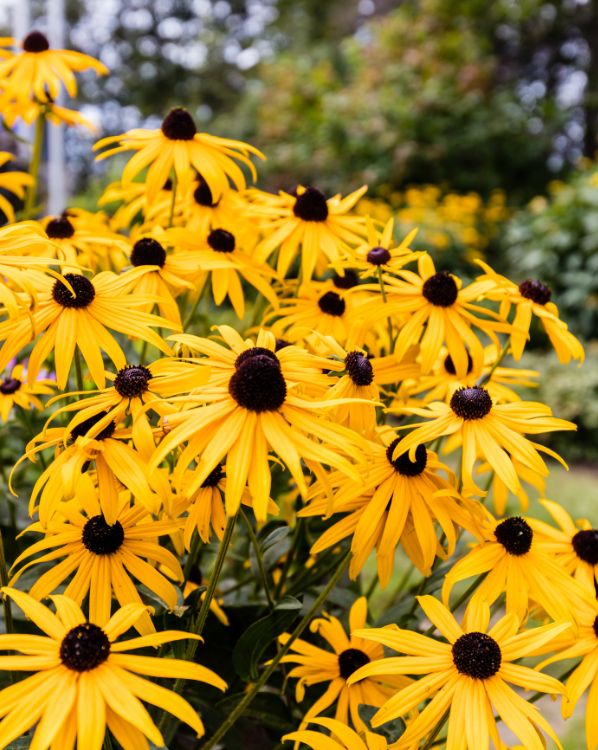
Some flowering plants deliver one beautiful season before disappearing, but hardy perennials continue returning year after year with very little effort from the gardener. Once established, these dependable plants often become stronger and fuller with each passing season.
Many long lasting perennials survive freezing winters, heavy rain, dry summers, and inconsistent care while still producing reliable blooms. Their ability to adapt to changing conditions is one reason they remain so popular in home gardens.
Plants like Daylily and Black Eyed Susan are widely known for their durability because they tolerate a wide range of soil conditions and weather patterns. Even gardeners with very little experience can often grow them successfully.
These plants usually require less replanting, which saves both time and money over the years. Instead of purchasing new flowers every spring, gardeners can rely on the same healthy perennials to return naturally.
Another reason these plants thrive with neglect is because they develop stronger root systems over time. Deep roots allow them to handle heat, drought, and occasional forgotten watering much better than shallow rooted annual flowers.
Some hardy perennials even bloom more heavily after being ignored for a while. Constant dividing, feeding, or trimming can sometimes interrupt their natural growth habits instead of helping them.
Flowers such as Sedum and Bee Balm often spread steadily across garden beds while continuing to produce colorful blooms every season. Their reliable growth helps gardens look fuller without requiring constant new planting.
These dependable flowers also attract butterflies, bees, and other pollinators, which brings additional life and movement into outdoor spaces. A neglected garden filled with hardy perennials can still feel vibrant and welcoming throughout the growing season.
Many gardeners eventually realize that low maintenance flowers often outperform delicate plants that demand constant care. Hardy perennials prove that beautiful gardens do not always require perfect conditions or endless attention to thrive.
Blooms Requiring Minimal Attention
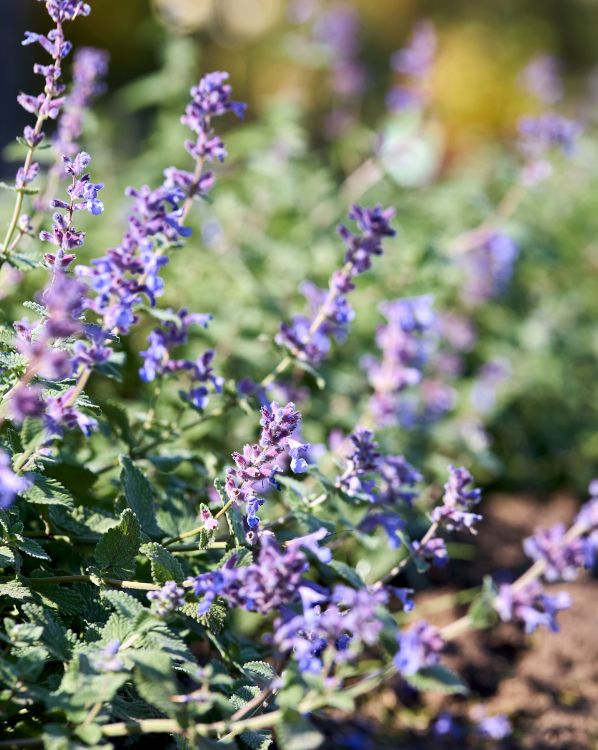
Some flowers seem to demand constant pruning, feeding, and watering, while others quietly bloom for months with very little help. These low maintenance perennials are especially valuable for gardeners who enjoy colorful landscapes but do not want to spend every day maintaining flower beds.
Plants like Coreopsis and Blanket Flower are known for producing steady blooms even when gardeners forget regular care routines. They tolerate heat well and continue flowering through long stretches of summer with only occasional watering.
Many of these dependable perennials naturally resist common garden problems such as drought stress, poor soil, and changing temperatures. Their resilience allows them to continue growing while more sensitive plants begin to fade or weaken.
Some gardeners accidentally harm flowers by overwatering or adding too much fertilizer too often. Certain perennials actually bloom more reliably when left alone because excessive attention can lead to weak stems and reduced flower production.
Flowers that require little attention also help reduce frustration for beginners who are still learning basic gardening habits. A neglected watering schedule or missed trimming session usually does not create serious damage for these sturdy plants.
Perennials such as Catmint and Shasta Daisy often continue performing beautifully despite inconsistent care. Their long blooming periods provide reliable color without demanding constant supervision.
These flowers are also useful for vacation homes, busy households, or large gardens where daily maintenance may not always be possible. Even after periods of neglect, many quickly recover once normal conditions return.
Another reason gardeners appreciate these plants is because they often spread naturally and fill empty spaces over time. A flower bed that once looked sparse can gradually become fuller without requiring constant replanting.
Low maintenance blooms allow gardeners to enjoy outdoor spaces more instead of feeling overwhelmed by endless chores. Their dependable nature proves that beautiful gardens can still thrive even when life becomes busy and unpredictable.
Colorful Choices for Tough Spaces
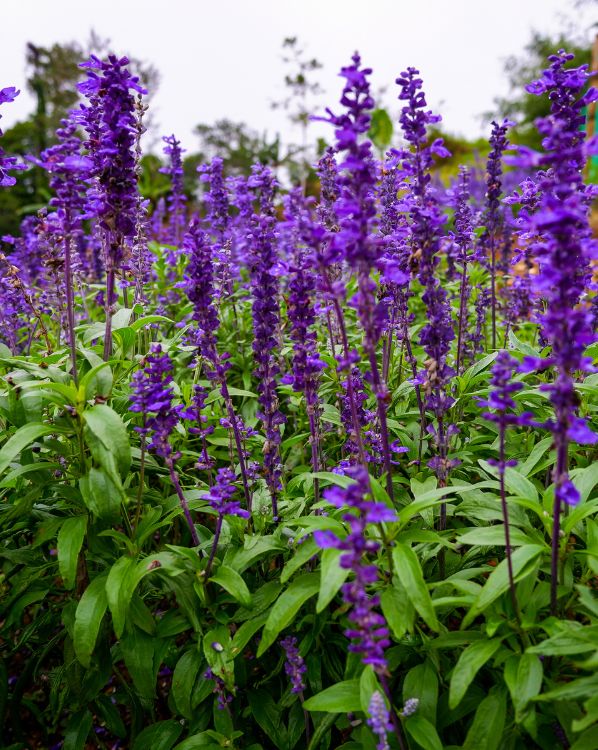
Not every part of a yard provides perfect growing conditions, but certain flowering perennials still manage to thrive in places where many plants struggle. These tough flowers bring lasting color to dry corners, rocky soil, windy hillsides, and neglected garden beds.
Areas with poor soil often frustrate gardeners because many flowers fail to establish healthy roots there. Tough perennials, however, are often naturally adapted to difficult environments and continue growing despite limited nutrients.
Plants like Purple Coneflower and Tickseed perform especially well in harsh garden spaces where heat and dry conditions might weaken other flowers. Their bright blooms still stand out even in rough environments.
Some perennials also tolerate strong winds and blazing afternoon sun without losing their shape or color. Thick stems and hardy foliage help protect them during challenging weather conditions throughout the growing season.
Gardeners with gravel pathways, slopes, or neglected side yards often discover that these resilient flowers can completely transform overlooked spaces. Bright blooms create a softer and more welcoming appearance without requiring perfect soil preparation.
Perennials such as Salvia and Sedum continue producing vibrant flowers even when conditions are less than ideal. Their ability to adapt makes them reliable choices for difficult areas around the home.
Another advantage of hardy flowers is their ability to suppress weeds once they become established. Fuller growth helps shade bare soil, which reduces the amount of unwanted growth that appears between plants.
These tough perennials also attract butterflies and pollinators into spaces that might otherwise look dull or lifeless. Even neglected corners of the yard can become active and colorful once reliable flowering plants take hold.
Gardeners often spend years trying to force delicate flowers into difficult locations before realizing that tougher perennials are a far better solution. Choosing resilient plants for challenging spaces creates a healthier garden with far less work over time.
Long Bloomers for Relaxed Gardeners

Many gardeners dream of flower beds that stay colorful for months without requiring constant work, and some long blooming perennials make that possible with surprisingly little effort. These dependable plants continue producing flowers through much of the growing season while tolerating occasional neglect.
Plants like Black Eyed Susan and Coreopsis are popular because they bloom steadily for weeks while handling heat, dry conditions, and inconsistent watering. Their cheerful flowers can brighten a garden long after many short lived blooms have faded away.
One reason these plants appeal to relaxed gardeners is because they rarely demand complicated care routines. Occasional watering during extreme heat and basic cleanup are often enough to keep them healthy throughout summer.
Some long blooming perennials naturally produce fresh buds as older flowers fade, which helps the display continue without heavy maintenance. Gardeners who occasionally remove spent blooms may encourage even more flowers, but many of these plants still perform well when left mostly alone.
Flowers such as Gaillardia and Verbena are especially useful for gardeners who want lasting color without spending hours outside every weekend. Their ability to keep flowering through changing weather makes them dependable additions to low maintenance landscapes.
Long blooming perennials also help gardens feel lively across the entire season instead of producing only short bursts of color. This creates a fuller and more welcoming outdoor space with far less replanting.
Another advantage is their ability to attract butterflies, bees, and hummingbirds over many months. Pollinators continue visiting these flowers long after other plants stop blooming.
Relaxed gardeners often discover that less interference sometimes produces better results with hardy perennials. Constant trimming, fertilizing, and watering can create extra stress for plants that are naturally adapted to survive tougher conditions.
A garden filled with reliable long bloomers offers beauty without demanding perfection from the person caring for it. These easygoing flowers prove that simple gardening methods can still create vibrant and impressive outdoor spaces.
Final Thoughts
Flowering perennials that thrive with neglect can completely change the way people think about gardening. Instead of endless watering schedules and constant maintenance, these dependable plants offer beauty with far less effort.
Hardy flowers continue proving that resilience can be just as valuable as appearance in a successful garden. Their ability to survive difficult conditions makes them ideal for busy homeowners and beginner gardeners alike.
A lower maintenance garden does not have to look dull or neglected. With the right flowering perennials, even simple care routines can produce colorful landscapes that return year after year with very little trouble.