
Ground covers can completely change the way a garden looks and feels because they spread quickly, fill empty spaces, and create thick carpets of color that make weeds struggle to survive. Many gardeners love them because they save time while still producing flowers that brighten walkways, borders, slopes, and flower beds for months at a time.
Some varieties stay low and neat while others spill over edges with waves of blooms that seem to cover the entire ground. Once established, these plants often need far less care than traditional lawns or high maintenance flower beds.
The best part is that many flowering ground covers do two jobs at once. They crowd out unwanted weeds while turning dull areas into vibrant displays packed with texture, color, and life.
Fast Spreading Plants With Colorful Flowers
Some ground covers become garden favorites because they spread quickly while producing flowers that instantly brighten the landscape. These plants are especially useful in areas where weeds constantly appear because they form dense layers that leave little room for unwanted growth.
Creeping phlox is one of the most eye catching examples because it creates a thick blanket of flowers during spring. Shades of pink, purple, blue, and white can completely cover slopes and borders, making the garden look almost painted with color.
Once established, this plant spreads steadily across the soil and helps block sunlight from reaching weed seeds below. Gardeners often use it near pathways or rock gardens where its blooms can spill naturally over edges and soften hard surfaces.
Creeping thyme is another excellent choice for gardeners who want both beauty and practicality. Its tiny leaves create a fragrant mat across the ground, and during blooming season the plant becomes covered with clusters of purple or pink flowers that attract bees and butterflies.
This plant handles foot traffic surprisingly well, which makes it useful between stepping stones or along sunny walkways. As it thickens over time, it forms a natural barrier that helps reduce the amount of weeding needed throughout the season.
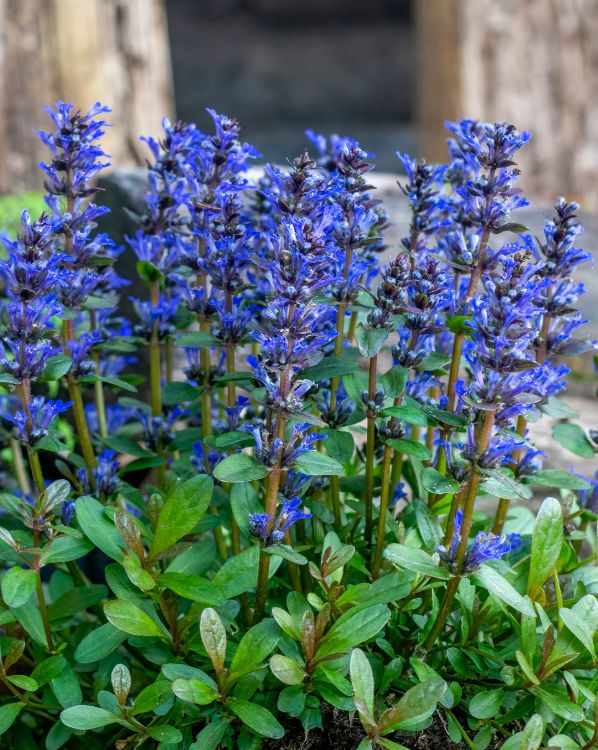
Ajuga, sometimes called bugleweed, grows rapidly in many conditions and produces striking spikes of blue, purple, or pink flowers. The foliage alone can make a strong statement because some varieties feature deep green leaves while others have bronze or purple tones that add contrast to flower beds.
Because ajuga spreads by runners, it quickly fills bare spots that might otherwise become covered with weeds. It also works well beneath shrubs and trees where grass often struggles to survive.
Gardeners who want dramatic color with minimal effort often rely on these fast growing ground covers because they create full, vibrant landscapes in a relatively short amount of time. When several varieties are combined together, the result can feel lush, layered, and constantly alive with color.
Low Growing Blooms for Sunny Spaces
Sunny gardens can quickly become overrun with weeds when bare soil is left exposed, but low growing flowering plants help solve that problem while adding long lasting beauty. These compact growers spread close to the ground and create colorful carpets that thrive under bright sunlight.
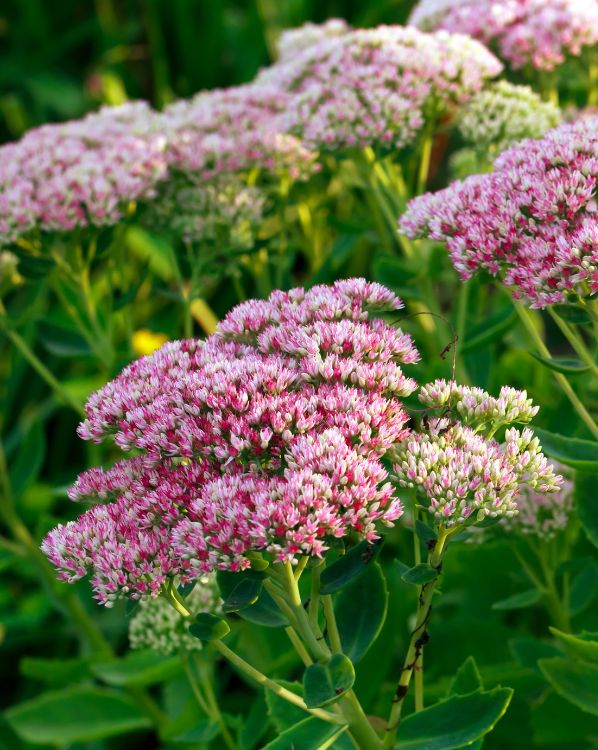
Sedum is one of the easiest options for hot and sunny spaces because it tolerates dry soil and strong heat without much trouble. Many varieties stay low while producing clusters of star shaped flowers in shades of pink, yellow, or red that continue adding interest through summer and even into fall.
The thick leaves also help the plant hold moisture during dry weather, making it a dependable choice for gardeners who want lower maintenance landscapes. Once sedum begins spreading, weeds often struggle to compete with its dense growth.
Ice plant is another striking ground cover that performs beautifully in sunny locations. Its bright flowers open wide during the day and create a vivid display of purple, orange, yellow, or pink blooms that almost seem to glow in direct sunlight.
The plant grows close to the soil and spreads outward steadily, making it useful for hillsides, borders, and dry garden beds. Its succulent foliage gives it an unusual texture that stands out from traditional flowering plants.
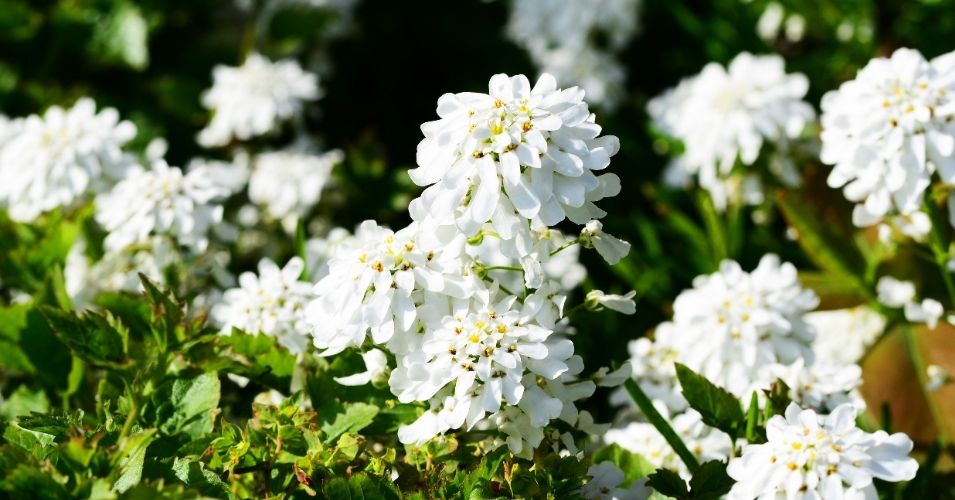
Candytuft brings a softer appearance to sunny landscapes with clusters of white or pale pink flowers that cover the foliage during bloom season. The flowers often appear so heavily that the green leaves beneath become nearly hidden.
This plant works especially well near borders or stone walls where its low shape creates a clean and polished appearance. Because it forms a thick mound over time, it naturally helps suppress weeds while keeping flower beds looking full and tidy.
Low growing flowering ground covers are often the secret behind gardens that appear lush without requiring constant work. Their ability to spread across sunny soil while producing waves of blooms makes them both practical and visually rewarding for gardeners who want strong color without endless maintenance.
Hardy Ground Covers for Difficult Areas

Some parts of the yard seem almost impossible to fill because the soil stays dry, tree roots steal moisture, or steep slopes make planting difficult. Hardy ground covers help solve these problems by spreading into tough spaces where many other plants struggle to survive.
Pachysandra is a dependable option for shady areas where grass often refuses to grow well. Its rich green leaves create a thick layer across the soil, and once the plants connect together, they help block weeds from gaining sunlight.
Although the flowers are small compared to some flowering ground covers, the plant still adds quiet beauty to woodland gardens and shaded borders. Many gardeners appreciate how reliable it becomes after establishment, especially beneath trees and large shrubs.
Sweet woodruff thrives in cooler shaded locations and creates a soft carpet of delicate green foliage topped with tiny white flowers in spring. The plant spreads steadily but usually stays neat, giving difficult areas a calm and polished appearance.
Its sweet fragrance becomes especially noticeable after rain or when the leaves are lightly brushed. Because it grows densely over time, it helps reduce bare patches where weeds commonly appear.
For sunny slopes and rocky soil, lamb’s ear can be a surprisingly useful choice. The fuzzy silver leaves create strong contrast against darker green plants, and the soft texture makes the garden feel more layered and interesting.
Tall flower spikes appear during the warmer months and attract pollinators while adding vertical interest above the low foliage. The thick leaves also help shade the soil, which slows weed growth and helps conserve moisture during dry weather.
Vinca minor, also known as periwinkle, handles a wide range of difficult conditions and spreads quickly through beds, slopes, and awkward corners. Its glossy leaves remain attractive for much of the year, and the blue or violet flowers bring bursts of color during the growing season.
Tough ground covers like these often become the quiet heroes of the landscape because they transform neglected or frustrating spaces into areas that feel full, healthy, and alive. Once they settle in, many require surprisingly little attention compared to traditional lawns or open beds.
Long Flowering Varieties That Fill Empty Beds

Large empty spaces in the garden can sometimes look unfinished, especially during the middle of summer when other plants begin fading. Long flowering ground covers help solve this problem by producing blooms for extended periods while steadily filling the soil with color and texture.
Verbena is a favorite for gardeners who want nonstop blooms because it flowers heavily from late spring well into fall in many climates. The clusters of purple, pink, red, or white flowers spread across low trailing stems that quickly soften empty spaces in flower beds.
Butterflies are constantly drawn to the blooms, which gives the garden even more movement and life throughout the warmer months. As verbena expands outward, it also shades the soil and helps reduce the number of weeds that appear.
Trailing lantana thrives in heat and sunlight while producing bright flower clusters that continue blooming through much of the season. Shades of yellow, orange, pink, and purple often appear on the same plant, creating a lively mix of color that stands out from a distance.
Because the stems spread widely across the ground, lantana works especially well on slopes, borders, and open areas where gardeners want fast coverage. Once mature, it becomes surprisingly drought tolerant and continues blooming even during hot weather.
Calibrachoa, often called million bells, is another long flowering favorite that creates cascades of small petunia like blooms. The flowers appear in huge numbers and can continue for months when the plant receives enough sunlight and water.
Its trailing habit allows it to spread beautifully across garden beds while filling gaps with rich color. Many gardeners enjoy combining different shades together because the plants blend into a bright carpet of blooms.
Ground covers with long bloom periods help gardens feel vibrant far beyond spring. Instead of leaving empty soil exposed or relying on short lived flowers, these plants provide steady color that keeps the landscape looking fresh and lively for months at a time.
Reliable Choices With Minimal Upkeep

Many gardeners want beautiful flower beds without spending every weekend pulling weeds, trimming plants, or replacing struggling flowers. Reliable ground covers make this possible because they spread steadily, bloom generously, and often need very little attention once established.
Creeping Jenny is one of the easiest plants for filling open soil because its trailing stems move quickly across the ground and create a bright layer of golden green foliage. During the growing season, small yellow flowers appear among the leaves and add even more color to the garden.
This plant works especially well near pathways, containers, and borders where it can spill naturally over edges. Its thick growth also helps shade the soil, which slows weed growth and keeps beds looking fuller.
Mazus is another dependable choice for gardeners who want low maintenance color in sunny or lightly shaded areas. It stays compact while spreading outward into a soft mat covered with tiny purple or blue flowers during bloom season.
Because mazus grows densely, it naturally fills gaps that weeds might otherwise take over. It also tolerates light foot traffic, making it useful between stepping stones or near garden paths where larger plants may not fit well.
For dry and sunny spots, creeping juniper offers year round texture with very little care required. Although it is grown more for its evergreen foliage than flowers, its spreading branches create thick coverage that helps control weeds and stabilize soil on slopes.
The soft blue green tones also add contrast beside flowering perennials and shrubs. Once mature, creeping juniper usually handles heat, poor soil, and dry weather with little trouble.
Snow in summer combines silvery foliage with bright white blooms that appear heavily during late spring and early summer. The plant spreads across the ground in a soft blanket that brightens rocky areas, borders, and dry spaces where many flowers struggle.
Low upkeep ground covers are often the secret behind gardens that continue looking colorful and healthy without constant work. When the right plants are matched to the right conditions, they can provide years of beauty while quietly reducing many common gardening frustrations.
Final Thoughts
Flowering ground covers do far more than fill empty spaces because they help create gardens that feel richer, fuller, and easier to manage throughout the growing season. Their ability to spread across the soil naturally reduces weed problems while adding layers of color that continue changing through spring, summer, and fall.
Whether you choose bright flowering varieties for sunny borders or hardy plants for difficult corners, these low growing favorites can completely reshape the look of a landscape. Many also attract butterflies and pollinators, bringing even more life into the garden.
With the right combination of ground covers, even the most stubborn bare patches can become vibrant areas overflowing with flowers, texture, and long lasting beauty.