
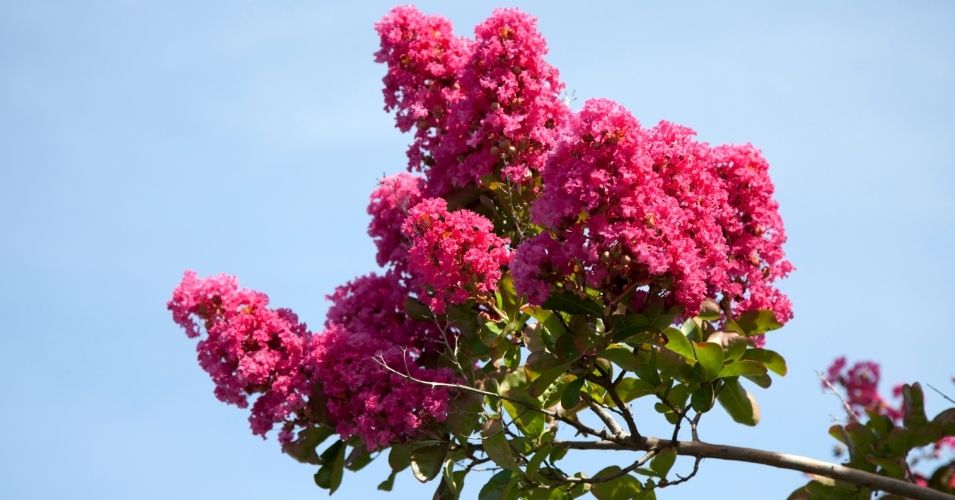
Crepe myrtles are loved for their bright summer blooms, colorful bark, and ability to thrive in hot weather, but many gardeners still struggle to keep these trees looking their best.
A healthy crepe myrtle can become one of the most beautiful features in a yard when it receives the right care from the start. Small changes in pruning, watering, planting, and maintenance can make a dramatic difference in how the tree grows and flowers each year.
Many common mistakes are easy to fix once gardeners understand what the plant truly needs. Learning these problems early can help prevent years of poor growth, weak blooms, and unnecessary frustration.
Overcut Branches and Misshapen Trees
One of the most common crepe myrtle mistakes happens when gardeners cut the tree back too aggressively at the wrong time of year. Many people believe heavy trimming creates stronger blooms, but severe cutting often produces weak shoots and awkward growth instead. The tree may survive, yet it loses the graceful shape that makes crepe myrtles so attractive in the first place.
Some homeowners trim every branch down to thick stubs each winter because they think the plant needs a complete reset before spring arrives. This practice may create larger flowers for a short time, but it also causes long skinny stems that bend easily during rain and wind. Over time, the tree begins to look uneven and crowded near the top.
Crepe myrtles naturally grow with elegant branching patterns and smooth trunks that become more beautiful with age. Excessive pruning removes much of that character before the tree has a chance to mature properly. Instead of developing a balanced canopy, the plant focuses its energy on replacing lost growth year after year.
Another problem appears when gardeners cut random branches without considering the tree’s structure. Removing too many interior limbs can expose parts of the tree to sun damage and stress. Leaving behind poorly placed branches also creates rubbing and crossing stems that weaken the plant over time.
Good pruning focuses more on shaping than shortening. Light trimming often works far better than dramatic cutting. Removing dead wood, damaged branches, and small shoots near the base usually gives the tree enough space to breathe and grow naturally.
Patience also matters with crepe myrtles. Young trees may look sparse at first, but they slowly develop fuller canopies as they mature. Gardeners who constantly reshape them often interrupt this natural process and end up creating more maintenance problems later.
A healthy crepe myrtle should look balanced and relaxed rather than harshly trimmed into stiff shapes. Allowing the tree to keep its natural form usually leads to stronger branches, healthier flowering, and a more attractive appearance throughout the entire growing season.
Wrong Locations With Lasting Consequences
Many crepe myrtle problems begin long before the first flower appears because the tree was planted in the wrong location from the start. A small young tree may seem easy to fit anywhere in the yard, but mature crepe myrtles need space, sunlight, and airflow to grow properly. Poor placement often creates issues that become harder to fix every year.
One frequent mistake happens when gardeners plant crepe myrtles too close to houses, fences, or driveways. The tree may look perfectly placed while small, yet mature branches eventually spread outward and become crowded against nearby structures. This forces repeated pruning that damages the tree’s natural shape.
Limited sunlight also creates major struggles for bloom production. Crepe myrtles thrive in bright conditions and usually need several hours of direct sun each day to flower well. Trees planted beside taller shade trees or large buildings often develop thin growth with fewer blooms during summer.
Air circulation is another detail many people overlook. Tight planting areas can trap moisture around leaves and branches after rain or heavy humidity. Poor airflow encourages fungal problems such as powdery mildew, especially in warm climates where moisture lingers for long periods.
Soil conditions matter just as much as sunlight and spacing. Some gardeners place crepe myrtles in low spots where water collects after storms. Roots sitting in soggy soil for extended periods often struggle to stay healthy. Weak roots eventually affect flowering, bark quality, and overall growth.
Choosing a location without considering future size also creates unnecessary stress for the gardener. Some varieties stay compact, while others grow into large trees over time. Planting the wrong type in a small area usually leads to constant cutting and frustration later.
The best planting spots give crepe myrtles enough room to mature naturally without crowding nearby plants or structures. Open areas with steady sunlight and well draining soil usually produce healthier trees with fuller blooms and stronger branches.
A thoughtful planting decision made early can prevent years of maintenance problems and help the tree become one of the most striking features in the landscape.
Excess Moisture Around Roots and Soil
Many gardeners assume crepe myrtles need frequent watering to stay healthy, especially during hot summer weather. While these trees do appreciate moisture during dry periods, too much water can create serious problems below the soil surface. Roots that remain constantly wet often weaken slowly without obvious warning signs at first.
Overwatering usually begins with good intentions. Some people water daily because they fear the tree will dry out in the heat. Others install automatic sprinklers that soak the soil far more often than necessary. Instead of helping the tree, this habit can suffocate roots and reduce their ability to absorb nutrients properly.
Young crepe myrtles need regular watering while becoming established, but mature trees are much more drought tolerant than many gardeners realize. Once strong roots develop, constant moisture becomes less helpful and more harmful. Wet soil encourages root stress and can eventually lead to decay beneath the surface.
Poor drainage makes the situation even worse. Heavy clay soil tends to hold water for long periods after rain, especially in low areas of the yard. Water trapped around the root zone creates ideal conditions for fungal problems that slowly damage the plant from underneath.
Leaves often reveal the first signs of trouble. Yellowing foliage, curling leaves, or slow growth may appear when roots stay too wet for extended periods. Some gardeners mistake these symptoms for dryness and respond with even more water, which only worsens the condition.
Mulch can also contribute to excess moisture when applied incorrectly. Thick piles pressed tightly against the trunk trap water and reduce airflow near the base of the tree. This damp environment encourages rot and weakens the bark over time.
Healthy watering habits focus on deep soaking rather than constant surface moisture. Allowing the top layer of soil to dry slightly between waterings helps roots grow stronger and more resilient. Crepe myrtles usually perform best when moisture stays balanced instead of consistently saturated.
A tree with healthy roots can better handle summer heat, seasonal stress, and changing weather conditions. Preventing excess moisture early often saves gardeners from larger problems that become difficult to reverse later.
Overlooked Clues Linked to Disease and Decline
Crepe myrtles often give small warning signs before serious health problems develop, but many gardeners fail to notice these clues until the tree is already struggling. Minor changes in leaves, bark, or flowering patterns may seem unimportant at first. Over time, these early symptoms can grow into larger issues that affect the entire plant.
Powdery mildew is one of the most common diseases gardeners overlook in the beginning stages. A light white coating may appear on leaves or young stems during warm humid weather. Some people dismiss it as dust or harmless residue, yet the disease can spread quickly and weaken growth if ignored for too long.
Leaf spotting creates another warning many homeowners fail to recognize. Dark spots, uneven discoloration, or premature leaf drop may signal fungal stress or poor airflow around the tree. When left untreated, the plant can lose energy that would normally support healthy flowering and branch development.
The bark also provides important clues about overall health. Crepe myrtles naturally shed bark as they mature, but soft areas, cracks, or dark patches may point to rot or hidden damage. Insects sometimes enter weakened areas and create even more stress inside the tree.
A sudden decline in blooms can reveal underlying problems as well. Trees that once produced large colorful flowers may begin blooming poorly due to disease, root stress, or nutrient imbalance. Many gardeners blame the weather without checking for deeper causes affecting the plant.
Insects often appear when a crepe myrtle is already weakened. Aphids, scale insects, and bark pests tend to target stressed trees more easily than healthy ones. Sticky residue on leaves or black mold growth can signal insect activity that needs attention before it spreads further.
Regular observation helps gardeners catch these issues early before major damage develops. Looking closely at leaves, bark, and branch growth every few weeks can reveal subtle changes that deserve attention. Early action usually leads to easier treatment and faster recovery.
Healthy crepe myrtles rarely decline overnight. Most problems develop gradually through small overlooked signs that become more serious with time. Paying attention to these details can help gardeners protect the beauty and strength of their trees for many years.
Everyday Habits That Limit Summer Flowers
Many gardeners become frustrated when their crepe myrtles produce fewer blooms each summer, yet the cause often comes from small daily habits rather than one major problem.
The tree may still appear healthy overall, but certain care routines quietly reduce its ability to flower at full strength. These mistakes can build slowly over time and affect blooming season after season.
Too much fertilizer is one of the most common examples. Some people feed their crepe myrtles heavily in hopes of creating larger flowers and faster growth. Excess nitrogen often encourages thick leafy branches instead of strong flower clusters. The tree becomes full of green growth while blooms remain smaller and less impressive.
Late season feeding also creates trouble. Fertilizing too close to fall encourages fresh growth that may not harden properly before cooler weather arrives. This weak new growth can become damaged more easily and affect flower production the following year.
Another common issue involves poor sunlight exposure caused by nearby plant growth. Shrubs and trees surrounding the crepe myrtle may slowly block more light as the landscape matures. A tree that once bloomed heavily can begin flowering less simply because it no longer receives enough direct sun each day.
Skipping cleanup around the base of the tree can create hidden stress as well. Thick weeds, crowded ground cover, and piles of debris compete for moisture and nutrients. Insects and fungal problems may also develop more easily in neglected areas around the roots.
Some gardeners unintentionally remove developing flower buds during trimming. Cutting branches at the wrong time of year may eliminate new growth that would normally bloom during summer. Understanding the tree’s growth cycle helps prevent accidental flower loss.
Compact soil creates another hidden challenge. Constant foot traffic or heavy equipment near the roots slowly compresses the soil and limits airflow underground. Roots struggle to expand properly when the ground becomes too dense.
Healthy blooms usually come from steady balanced care instead of constant interference. Crepe myrtles thrive when gardeners avoid overcorrecting every small concern and allow the tree to grow naturally in stable conditions.
Simple adjustments in sunlight, feeding, pruning, and soil care often make a noticeable difference in flower production. Many blooming problems improve once gardeners focus on consistency rather than excessive maintenance.
Final Thoughts
Crepe myrtles are known for their beauty, colorful blooms, and ability to handle hot summer conditions, but they still need thoughtful care to thrive year after year. Many common problems begin with simple mistakes that seem harmless at first. Over time, those habits can weaken growth, reduce flowering, and shorten the tree’s lifespan.
The good news is that most of these issues are preventable once gardeners understand what crepe myrtles truly need. Proper pruning, balanced watering, healthy soil, and careful placement can completely change how the tree performs in the landscape.
A well cared for crepe myrtle rewards patience with graceful branches, vibrant flowers, and strong healthy growth that becomes more impressive with every passing season.