
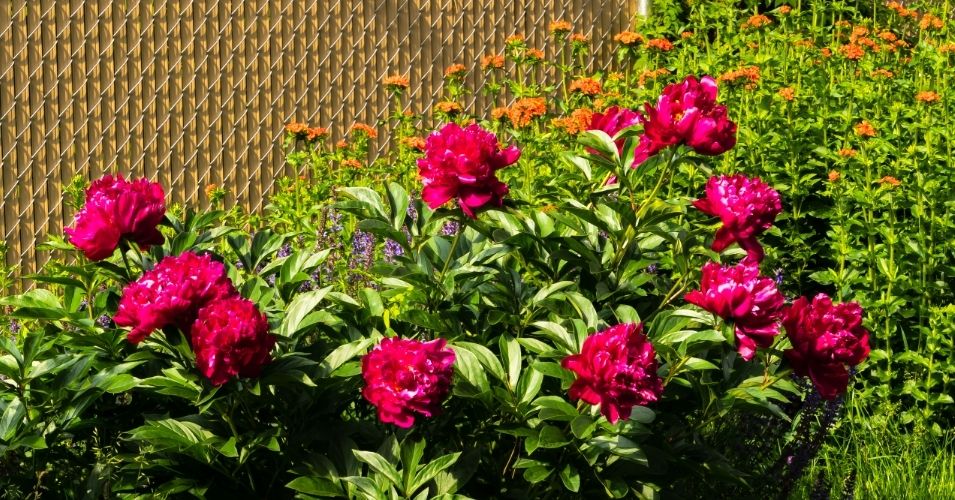
Peonies are known for their huge, beautiful blooms that light up the garden in late spring and early summer. Once those flowers begin to fade, many gardeners wonder what should happen next. It can feel disappointing to see petals fall so quickly after waiting months for the display to arrive.
Cutting back peonies the right way helps the plant stay healthy, store energy, and prepare for another strong season next year. Timing also matters more than many people realize. If pruning happens too early or too aggressively, the plant can struggle long after blooming ends.
Learning how and when to trim peonies can keep them attractive through the rest of the growing season while protecting future flowers at the same time.
Know When Blooms Have Finished
Peonies often hold their flowers for only a short period, which makes it important to recognize when the blooming stage has truly ended. Some blooms fade slowly over several days, while others seem to collapse almost overnight after a stretch of heat or heavy rain. Watching the plant closely helps you decide when it is ready for cleanup.
Fresh peony blooms usually appear full, bright, and firm to the touch. As they begin to decline, the petals lose their shape and start turning soft or dry around the edges. Colors may also fade noticeably, especially on lighter pink or white varieties.
Many gardeners rush to cut everything back the moment petals begin falling. That approach can remove healthy stems too early and reduce the plant’s ability to gather energy for the following season. Waiting until the flowers are truly spent creates a better balance between appearance and plant health.
A finished bloom often looks messy and droopy rather than vibrant and upright. Petals may cling to the center of the flower after rain, creating a heavy mass that attracts mold or insects. Removing blooms at this stage keeps the plant cleaner and prevents unnecessary stress later in summer.
It also helps to check beneath the fading flowers before making cuts. Some stems still carry unopened side buds that can continue blooming after the main flower fades. Cutting too low too soon may remove flowers that have not had a chance to open yet.
Weather can change the timing from year to year. A cool spring may stretch blooming over several weeks, while sudden heat can shorten the display dramatically. Paying attention to the plant itself works better than relying only on the calendar.
The condition of the petals usually tells the real story. Once the flower begins turning brown, dropping heavily, or developing a soggy texture, it has finished its job for the season.
Careful timing also keeps the garden looking more attractive. Removing flowers after they fade prevents peonies from appearing neglected while still allowing the foliage to remain lush and healthy through summer.
Remove Spent Flowers Without Stressing the Plant
Deadheading peonies after blooming is one of the simplest ways to tidy the garden while helping the plant focus its energy elsewhere. The process may seem straightforward, but careless trimming can damage stems or remove healthy growth that the plant still needs.
The best approach starts with clean, sharp pruning shears. Dull tools crush stems instead of making smooth cuts, which leaves wounds that heal more slowly. Quick, clean cuts reduce stress and help the plant recover faster after flowering ends.
When removing old blooms, avoid cutting deeply into the plant unless the stem is damaged. Most of the time, only the flower head and a short section of stem need to come off. Cutting just above a strong set of leaves keeps the plant looking natural and prevents awkward bare stalks.
Healthy leaves should remain in place after deadheading. Those leaves continue collecting sunlight and storing energy in the roots for next year’s flowers. Stripping too much greenery can weaken future bloom production without the gardener realizing it.
It is also helpful to remove flowers before they begin rotting on the stem. Wet petals can stick to nearby leaves during rainy weather, creating pockets of moisture that encourage disease. Quick cleanup improves airflow around the plant and keeps foliage cleaner through summer.
Some gardeners worry that cutting spent blooms will harm the plant, but gentle trimming actually supports healthier growth. Peonies no longer waste energy trying to maintain fading flowers or produce seeds once those blooms are removed.
Taking your time matters more than cutting quickly. Rushing through the task can lead to broken stems or accidental cuts to nearby buds. Slow, careful pruning gives you better control and protects the shape of the plant.
After trimming, peonies often look refreshed instead of exhausted. The heavy flowers disappear, allowing the deep green foliage to become the focus for the rest of the season.
Simple deadheading also prepares the plant for the months ahead. By removing faded blooms carefully rather than aggressively cutting everything back, gardeners help peonies stay strong long after the flowering season has passed.
Keep Healthy Leaves for Future Growth
Once peony flowers disappear, the leaves become the most important part of the plant. Many gardeners lose interest after blooming ends, but the foliage continues doing valuable work for the rest of the growing season. Healthy leaves help store energy deep within the roots, which supports stronger blooms the following year.
Green foliage acts like a food factory for the plant. Sunlight reaches the leaves, and that energy is sent underground where the roots prepare for future growth. Removing leaves too early interrupts this process and can weaken the plant over time.
Peony foliage should usually remain untouched through summer unless disease or severe damage appears. The leaves may not look as dramatic as the flowers, but they quietly support the next season behind the scenes. Patience during this stage often rewards gardeners with larger blooms later.
Water also plays a role in keeping foliage healthy after flowering ends. Peonies do not need soggy soil, yet they still benefit from steady moisture during dry stretches. Extremely dry conditions can cause leaves to yellow early and reduce the plant’s strength before fall arrives.
Air circulation matters as well. Thick overcrowded gardens can trap humidity around the foliage, increasing the chance of fungal problems. Keeping nearby plants trimmed back slightly helps peonies stay healthier through warm weather.
It is important to watch for black spots, mildew, or stems that suddenly collapse. Damaged leaves should be removed carefully so problems do not spread across the plant. Healthy sections should still remain untouched whenever possible.
Fertilizer should also be used carefully after blooming. Heavy feeding late in the season may encourage weak growth that struggles before winter. A light balanced feeding is usually more than enough if the soil already contains decent nutrients.
Strong foliage gives peonies a fuller appearance long after flowering ends. The rich green leaves can still add texture and beauty to flower beds even without blooms.
By allowing leaves to stay healthy and active through the season, gardeners help peonies rebuild energy naturally. That quiet recovery period often determines how impressive the flowers will look when spring returns again.
Prepare Peonies for Fall and Winter
As temperatures begin cooling in fall, peonies slowly shift from active growth into dormancy. This seasonal transition is the right time to start preparing the plant for winter conditions. Proper fall care protects the roots and reduces problems that could appear the following spring.
The timing of fall cleanup matters more than many people realize. Peonies should not be cut back immediately after blooming because the foliage still needs time to gather energy. Waiting until the leaves turn yellow, brown, or fully die back naturally gives the plant enough time to finish storing nutrients.
Once the foliage begins collapsing in late fall, stems can be trimmed close to ground level. Most gardeners leave only a few inches above the soil surface. Removing dead material keeps the garden cleaner and lowers the risk of fungal diseases surviving through winter.
Old leaves should not remain piled around the base of the plant. Wet decaying material creates an environment where pests and disease can hide during cold months. Clearing away fallen debris improves conditions for healthy spring growth later on.
In colder climates, mulch may help protect newly planted peonies during their first winter. A light layer of straw, shredded leaves, or pine needles can soften temperature swings around the roots. Mature peonies usually need less winter protection because established plants handle cold weather very well.
Heavy mulch should still be avoided directly over the crown. Too much covering can trap moisture and increase the chance of rot once temperatures begin warming again. Keeping the crown slightly exposed helps the plant stay healthier through seasonal changes.
Fall is also a good time to inspect the growing area itself. Poor drainage becomes more noticeable during wet winter weather, and standing water can damage roots before spring arrives. Adjusting soil or improving drainage early prevents bigger issues later.
Peonies often appear lifeless during winter, but the roots remain active beneath the soil. The plant quietly rests while preparing for another growing cycle.
A thoughtful fall routine creates a strong foundation for spring blooms. Simple cleanup, proper timing, and light protection can help peonies return with healthy stems and vibrant flowers once warm weather arrives again.
Avoid Common Pruning Mistakes That Hurt Blooms
Many peony problems begin with good intentions. Gardeners often want to clean up plants quickly after flowering, but overly aggressive pruning can weaken future blooms without obvious signs at first. Understanding the most common mistakes helps protect the plant long term.
One of the biggest errors is cutting peonies back too early in the season. After flowering ends, the leaves still gather sunlight and send energy into the roots. Removing healthy foliage in midsummer reduces the reserves needed for next year’s flowers.
Another frequent problem comes from cutting stems too low during deadheading. Some gardeners remove large portions of the plant instead of trimming only the spent blooms. Leaving strong leafy stems behind keeps the plant balanced and productive.
Using dirty pruning tools can also create trouble. Old sap, soil, and moisture on blades may spread fungal diseases between plants. Cleaning tools before and after pruning lowers the risk of infection and keeps cuts healthier overall.
Overcrowded gardens sometimes make pruning more difficult as well. When stems become tangled with nearby plants, gardeners may accidentally snap healthy shoots while trimming faded flowers. Working slowly around the plant helps avoid unnecessary damage.
Some people continue watering heavily after bloom season ends, believing extra moisture will help recovery. In reality, soggy soil can weaken roots and encourage rot, especially during cooler weather. Peonies prefer steady moisture rather than constant wetness.
Ignoring diseased foliage is another mistake that causes problems later. Blackened leaves or collapsing stems should not remain on the plant through fall and winter. Removing infected material helps prevent issues from returning the following season.
Timing mistakes can happen during fall cleanup too. Cutting plants back before foliage naturally dies away interrupts the final stage of energy storage underground. Waiting for the leaves to yellow and fade naturally gives peonies enough time to prepare for dormancy.
Simple patience often produces the best results. Peonies thrive when gardeners avoid rushing the process and allow the plant to follow its normal seasonal cycle.
Careful pruning protects both the beauty and health of the plant. With thoughtful timing and gentle trimming, peonies can continue producing large colorful blooms for many years.
Final Thoughts
Cutting back peonies after bloom season does not need to feel complicated or intimidating. Small careful steps often make the biggest difference in keeping plants healthy year after year. Paying attention to timing allows the plant to recover naturally while preparing for future flowers.
Healthy foliage, gentle deadheading, and proper fall cleanup all work together to support stronger growth. Avoiding harsh pruning gives peonies the chance to store energy and stay resilient through changing seasons.
With a little patience and steady care, peonies can remain one of the most rewarding flowers in the garden. Their beautiful blooms may only last a short time each year, but proper pruning helps ensure those flowers return even fuller and more impressive the next spring.