
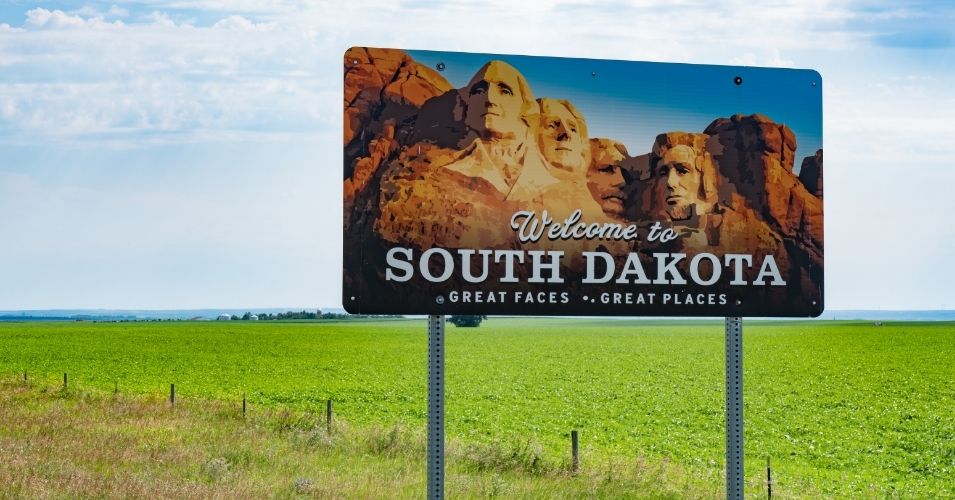
Retirement is often imagined as a time of comfort, stability, and freedom to enjoy each day without constant worry. South Dakota may seem appealing on the surface, especially with its quiet landscapes and lower taxes, but daily life can come with challenges that are easy to overlook at first.
Brutal winters, powerful storms, and long distances between communities can shape everyday routines in ways that feel limiting over time. For retirees who value convenience, safety, and strong social connections, these factors can make certain areas feel far less ideal than expected.
Before making a decision, it helps to take a closer look at the realities that come with living here year round.
Brutal Winters With Relentless Snowstorms
Winter in South Dakota is not just cold, it can feel overwhelming for anyone hoping for a relaxed retirement routine. Snowfall arrives early and lingers longer than many expect, turning simple tasks into daily challenges.
Brookings winter days often bring strong winds that cut through even heavy layers, making short walks or quick errands feel uncomfortable. Snow does not just fall once and disappear, it builds up over time and demands constant clearing from driveways, sidewalks, and rooftops.
The effort required to stay ahead of these conditions can feel exhausting, especially for retirees who no longer want physically demanding routines. Icy roads also create stress, since even a short drive to the grocery store can turn into a risky trip.
Even when the sky looks calm, hidden ice can make sidewalks dangerous, which adds another layer of caution to everyday movement. Staying indoors becomes the safer choice, but it can also make the days feel long and repetitive.
The quiet of winter can lose its charm when it limits your ability to stay active or socialize regularly. Many retirees find that the season stretches on longer than expected, making it harder to maintain a sense of routine and connection.
Further north, Watertown experiences long stretches where temperatures stay well below freezing, which makes outdoor life feel restricted for weeks at a time. Heating costs tend to climb during these periods, adding another layer of pressure for those living on a fixed income.
Blizzards are another concern that cannot be ignored, as they often bring heavy snowfall paired with strong winds that reduce visibility to near zero. These storms can delay deliveries, close roads, and leave people feeling stuck inside their homes for extended periods.
During these events, even emergency services can take longer to reach certain areas, which can be unsettling for retirees who value quick access to help. Over time, this pattern can make the season feel isolating rather than peaceful, turning what once seemed like a quiet retreat into months of limited movement and constant weather concerns.
Tornado Threats and Unpredictable Severe Weather
While winter presents its own challenges, the warmer months introduce a completely different kind of uncertainty that can feel just as unsettling. South Dakota sits in a region where weather can shift quickly, and storms can develop with little warning.
In Mitchell, spring and summer often bring strong thunderstorms that roll across the plains, sometimes carrying damaging winds and heavy rain. Even when a tornado does not form, the intensity of these storms can still create a sense of unease for those who prefer a calmer environment.
The unpredictability is what makes this particularly challenging, since clear skies can quickly turn into dark clouds and powerful winds within a short period of time. This makes planning outdoor activities or even simple travel feel uncertain.
Power outages can happen during these storms, which can disrupt daily life and create concerns about safety and comfort. For retirees who rely on routine, this kind of disruption can feel frustrating and difficult to manage.
The open landscape offers little protection, so weather systems often move through quickly and with full force. This can make each storm feel more intense than expected, even if it passes within a few hours.
Moving west, Pierre faces similar risks, where wide open spaces allow storms to travel without much resistance. The sense of exposure can feel more noticeable here, especially when winds pick up and skies darken quickly.
Tornado warnings are taken seriously in this part of the country, and the need to stay alert during storm season can become a regular part of life. For retirees seeking peace of mind, this constant awareness can feel draining over time.
Beyond tornadoes, severe weather can also bring hail, flash flooding, and sudden temperature swings that disrupt daily routines. These patterns make it harder to enjoy a predictable lifestyle, which is something many retirees value when choosing where to settle.
Wide Open Spaces That Create Isolation
South Dakota is known for its wide open landscapes, which can feel peaceful at first but may become difficult to adjust to over time. The distance between homes, towns, and everyday destinations can create a sense of separation that grows more noticeable each year.
Huron has the quiet pace and smaller population that can make it harder to build new friendships or stay socially active. Community events do exist, but they are not as frequent or varied as what you might find in more populated areas.
Over time, this slower rhythm can begin to feel limiting, especially for retirees who enjoy regular outings or group activities. The lack of nearby options can make even simple plans require more effort and coordination.
Long drives to visit friends or attend gatherings can also discourage spontaneous social connections. This can lead to days that feel repetitive, especially during colder months when staying home becomes the easier choice.
Even access to hobbies or recreational spaces may feel restricted, which can impact both physical and emotional well being. A place that once seemed calm and relaxing can gradually feel too quiet for those who enjoy an active lifestyle.
Moving farther west, Spearfish offers scenic surroundings, yet its location still comes with a sense of distance from larger population centers. While the town itself has charm, the surrounding area remains spread out, which can make everyday interactions less frequent.
This distance can create a subtle feeling of being disconnected, especially for those who are used to having neighbors and services close by. Over time, the lack of daily interaction can affect how engaged and connected retirees feel.
What begins as peaceful solitude can slowly shift into a deeper sense of isolation, making it harder to maintain a fulfilling and socially active retirement.
Limited Access to Essential Services
Access to everyday services is something many retirees rely on, and in certain parts of South Dakota, it can be more limited than expected. While some towns offer basic amenities, more specialized services are often located farther away.
Yankton residents may find that while essential shops and clinics are available, more advanced healthcare services require travel to larger cities. This can become a concern for retirees who need regular medical care or prefer having specialists nearby.
The need to travel for appointments adds both time and expense, especially when weather conditions make driving more difficult. It can also create stress when quick access to care is needed but not readily available.
Beyond healthcare, other services such as large grocery stores, entertainment venues, and specialty shops may not be within a short distance. This can make everyday errands feel more time consuming than expected.
Limited options can also reduce the sense of convenience that many retirees look for when choosing a place to live. Over time, the extra planning required for simple tasks can feel frustrating.
In Vermillion, the presence of a university adds some activity, yet certain services remain limited compared to larger urban areas. While the town offers a pleasant environment, it may not fully meet the needs of retirees who want easy access to a wide range of amenities.
Transportation options can also be limited, which means driving becomes the primary way to get around. For those who prefer not to drive long distances, this can reduce independence over time.
When essential services are not easily accessible, it can affect both comfort and peace of mind, making daily life feel less convenient than expected.
Everyday Travel Made More Difficult
Getting around in South Dakota can feel simple at first, but daily travel often becomes more demanding than many retirees expect. Long stretches of road connect towns, and even routine errands can involve extended driving time.
Madison residents may find that essential destinations such as larger grocery stores or specialty services are not always nearby. This means planning trips carefully and setting aside more time just to complete basic tasks.
Short drives are not always an option, which can make spontaneous outings less common. Over time, this can affect how often people leave home and stay active within the community.
Weather conditions add another layer of difficulty, especially during winter months when roads can become icy or covered in snow. Driving in these conditions requires caution and can feel stressful for those who prefer a more relaxed routine.
Even during warmer seasons, strong winds and sudden storms can make travel unpredictable. This can discourage longer trips, especially when weather changes quickly throughout the day.
Further east, Sioux Falls offers more services and amenities, but traffic and expanding development can create a different kind of challenge. Busy roads and increasing congestion can make getting around feel less convenient than expected.
Parking, wait times, and crowded areas can also take away from the ease that retirees often look for in their daily routines. What seems like a well connected area may still require patience and planning to navigate comfortably.
Over time, these travel challenges can reduce independence, making it harder to maintain the freedom that many people hope to enjoy during retirement.
Final Thoughts
South Dakota offers natural beauty and quiet surroundings, but daily life can present challenges that are not always obvious at first.
Weather extremes, distance between communities, and limited access to services can shape the retirement experience in ways that feel restrictive over time.
For those who value convenience, social connection, and predictable routines, these factors may outweigh the initial appeal. Taking the time to understand these realities can help ensure that your retirement years feel comfortable, balanced, and truly fulfilling.