
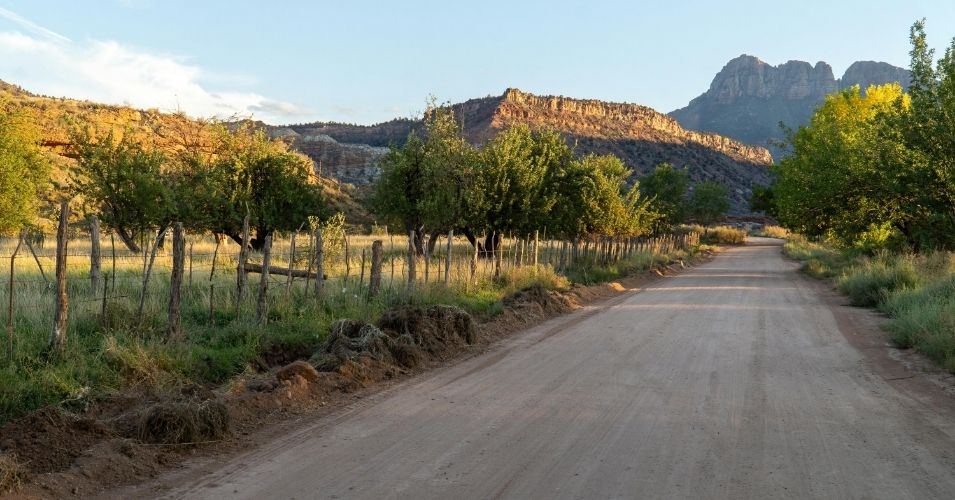
Retirement often begins with a hopeful picture of calm mornings, steady expenses, and a place that feels easy to settle into over time. Utah draws attention with its wide open scenery and strong community values, which can make it seem like a natural choice.
Yet some areas present challenges that become more noticeable once you look beyond the surface. Rising housing costs, growing crowds, and distinct cultural or environmental conditions can all shape how comfortable retirement truly feels.
Taking a closer look now can help you avoid surprises later and guide you toward a setting that better matches your long term needs.
Housing Prices Climbing Beyond Comfortable Limits
In St. George, the rise in home prices has reshaped what retirement looks like for many people, especially those hoping to stretch a fixed income over the long term. The demand from out of state buyers has pushed property values higher, and even modest homes now carry price tags that once belonged to luxury properties.
Many retirees arrive expecting a more relaxed financial pace, only to find that everyday housing expenses demand closer attention than they anticipated. Property taxes, insurance, and maintenance costs all tend to rise alongside home values, which can quietly strain a budget that once felt secure.
The situation becomes even more noticeable in Heber City, where scenic surroundings and proximity to outdoor recreation have drawn steady interest from buyers with larger budgets. This steady demand has limited the number of affordable options, especially for those looking to downsize into something simple and manageable.
Retirees who hoped to find a smaller home often discover that compact properties are just as competitive as larger ones, making it harder to secure a comfortable place without stretching finances.
Over time, this pressure can change daily decision making, from how often you travel to how much you spend on leisure activities. A retirement that was meant to feel open and flexible can begin to feel more structured around expenses.
There is also the emotional side of affordability, where constantly monitoring costs can take away from the sense of ease many people expect in their later years.
Choosing a location where housing remains within reach is not just about saving money, it is about preserving peace of mind and maintaining a lifestyle that feels sustainable year after year.
That balance can be difficult to achieve in areas where prices continue to climb faster than most retirement incomes can comfortably follow.
Crowding and Growth Straining Local Infrastructure
Logan‘s steady population growth has begun to reshape how daily life feels, especially for retirees who once expected a quieter and more predictable environment. Roads that were once easy to navigate can now feel busier during peak hours, and simple errands may take longer than they used to.
As more people move into the area, public services and infrastructure work hard to keep pace, but the changes are not always immediate. This can lead to periods where traffic patterns, road conditions, and access to services feel stretched.
A similar shift is happening in Cedar City, where expanding communities have introduced both opportunity and growing pains. While new developments bring modern amenities, they also increase the demand on water systems, roads, and local facilities.
For retirees, these changes can affect daily comfort in subtle ways, from longer wait times at essential services to a greater reliance on planning trips outside the home.
Growth can also influence the character of a place, as familiar quiet streets become more active and once open spaces begin to fill in with new construction.
Some retirees welcome this sense of activity, but others may find that it moves away from the calm setting they originally imagined.
Infrastructure improvements do happen over time, yet they often follow growth rather than stay ahead of it, which means residents experience the adjustment period firsthand.
Understanding how quickly an area is changing can help you decide whether that pace matches the kind of retirement lifestyle you want to maintain.
Unique Cultural Expectations That May Feel Restrictive
In Provo, community life often revolves around long standing traditions and shared values that shape how people interact on a daily basis.
For some retirees, this creates a strong sense of belonging, but for others it can feel like an environment where social expectations are quietly defined before you even arrive.
New residents may notice that certain routines, gatherings, and even neighborhood conversations follow patterns that are deeply rooted in local culture. While this can be comforting for those who share similar backgrounds, it may take time for others to feel fully included or understood.
The experience can be similar in Spanish Fork, where tight knit communities often maintain a familiar rhythm that has been passed down over generations. This consistency brings stability, yet it can also make it harder for newcomers to find their place without adjusting their own habits or expectations.
Retirees who are used to more flexible or diverse social settings may find themselves navigating unspoken norms that influence everything from social events to everyday interactions.
This does not mean the community is unwelcoming, but rather that it operates within a clear cultural framework that may feel different from what some retirees expect.
Over time, this adjustment can shape how comfortable you feel expressing yourself or engaging in local activities.
For those seeking a retirement filled with variety and a wide range of perspectives, this type of environment may feel more structured than anticipated.
Understanding the social tone of a place before settling down can help ensure it aligns with the level of openness and flexibility you want in your daily life.
Environmental Conditions That Influence Daily Comfort
In Moab, the dramatic desert landscape brings stunning views, but it also introduces climate conditions that can shape everyday living in noticeable ways. Summers often bring intense heat that can limit outdoor activity during large portions of the day, especially for retirees who prefer a more moderate environment.
The dry air can also affect comfort levels, particularly for those who are not used to desert climates or who prefer a bit more humidity.
A different set of challenges appears in Park City, where higher elevation and colder seasons create a climate that can feel demanding over time. Winters tend to be long and snowy, which can make simple tasks like driving or running errands more difficult than expected.
While some retirees enjoy seasonal changes, others may find that extended cold periods limit their mobility and reduce the ease of daily routines.
Environmental conditions also influence home maintenance, from heating costs in colder areas to cooling needs in warmer regions.
These added responsibilities can gradually increase both effort and expense, which may not have been part of the original retirement plan.
Beyond temperature, factors like air dryness, seasonal storms, and elevation can all affect how comfortable a place feels day after day.
Choosing a location that supports your preferred climate can make a meaningful difference in how enjoyable and manageable your retirement years truly become.
Everyday Costs That Continue to Rise
Layton retirees are finding that everyday expenses do not stay as steady as they once expected, especially as the area continues to grow and attract new residents. The cost of groceries, utilities, and services has gradually increased, which can make it harder to maintain a predictable monthly budget.
Even small changes in pricing can add up over time, especially when income is fixed and does not adjust as quickly as local costs. What once felt affordable can slowly become something that requires more careful planning and adjustment.
A similar pattern is noticeable in Washington, where rising demand has influenced not only housing but also the price of daily essentials. Dining out, routine maintenance, and even basic errands can carry higher costs than anticipated, especially for those who expected a slower financial pace in retirement.
Retirees often begin to notice that their spending habits shift, not because they want to, but because they need to keep up with increasing expenses.
This can lead to more cautious decision making, where simple pleasures are weighed more carefully against long term financial stability.
Over time, these adjustments can change the overall experience of retirement, making it feel more structured around budgeting rather than enjoyment.
It is not always a single large expense that creates pressure, but rather the steady rise of many smaller costs working together.
Understanding how everyday prices are trending in a specific area can help you choose a place where your retirement income continues to support the lifestyle you envisioned.
Final Thoughts
Utah offers a unique mix of beauty and community, but not every location will match what you need for a comfortable retirement. Taking time to look beyond the surface can help you see how costs, environment, and daily life may truly feel over time.
The right choice is not about avoiding the state entirely, but about finding a place that fits your pace, your budget, and your expectations.
A thoughtful decision now can lead to a retirement that feels steady, manageable, and genuinely enjoyable in the years ahead.