
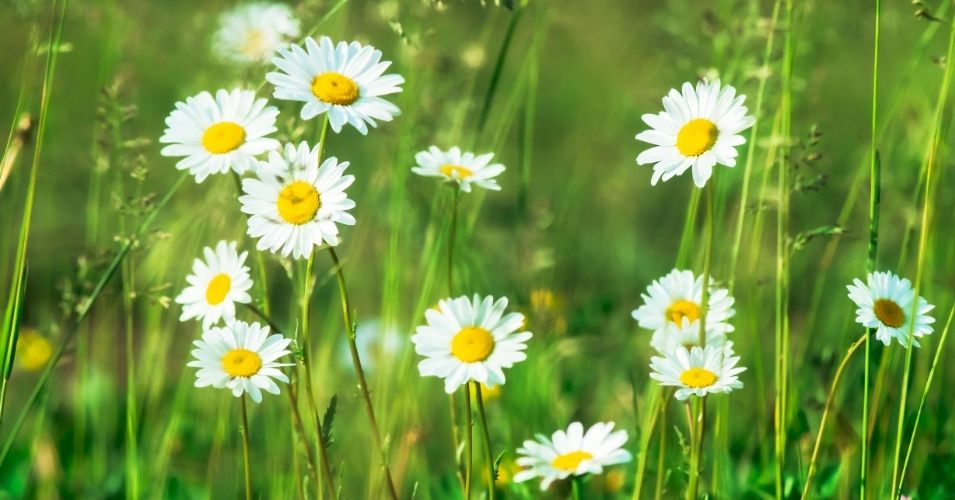
Shasta daisies can brighten a garden for months, but summer care plays a major role in how healthy and attractive the plants remain. Without proper pruning, these cheerful flowers may begin to look tired, floppy, or overcrowded as the season moves forward. A few careful cuts at the right time can encourage fresh blooms, improve airflow, and help the plant stay neat during hot weather.
Summer pruning also gives gardeners a chance to spot weak stems, fading flowers, and signs of stress before they become larger problems. When handled correctly, pruning supports stronger growth without damaging the plant or reducing future blooms.
Whether your Shasta daisies are newly planted or have filled the same garden bed for years, understanding how to trim them during summer can make a noticeable difference in both appearance and long term health.
Remove Faded Blooms to Encourage More Flowers
Shasta daisies naturally begin to lose older flowers as summer moves along, especially during periods of intense heat or heavy rain. Once petals start turning brown or drooping, the plant shifts energy toward seed production instead of creating fresh buds.
Removing those fading blooms helps redirect the plant’s energy into new flower growth. Many gardeners notice a second flush of blooms after regular deadheading because the plant no longer focuses on producing seeds.
The process itself is simple and does not require advanced gardening skills. Using clean garden scissors or hand pruners, cut the stem just above the next healthy leaf set or side bud.
Avoid pulling old flowers off by hand because rough handling can damage nearby stems. Clean cuts heal faster and leave the plant looking much neater during the middle of summer.
Regular trimming also improves the overall appearance of the flower bed. Instead of a patch filled with brown flower heads, the plants continue looking fresh and colorful for a much longer period.
Many gardeners make the mistake of waiting until every bloom fades before pruning. Smaller pruning sessions every few days often work better because they prevent the plant from becoming overcrowded with spent flowers.
Warm summer weather can cause blooms to fade quickly, especially during dry stretches. Checking the plants once or twice a week makes it easier to stay ahead of the fading cycle without turning pruning into a large project.
Deadheading can also reduce the chance of disease problems that develop in damp, aging flower heads. Better airflow around the plant helps leaves dry faster after rain or watering.
Some stems may already have fresh side buds waiting below old blooms. Once the faded flower is removed, those hidden buds often begin opening within days and keep the plant active through much of the season.
A little attention throughout summer can turn Shasta daisies from short lived bloomers into one of the longest lasting highlights in the garden. The plants respond surprisingly well when gardeners stay consistent with light pruning care.
Cut Back Weak or Damaged Stems
Summer storms, strong winds, and heavy blooms can leave Shasta daisy stems bent or damaged by the middle of the season. Some stems may lean awkwardly, crack near the base, or collapse onto nearby plants after rain.
Removing those weak stems helps the entire plant look healthier and more balanced. It also prevents damaged growth from draining energy that could support stronger stems and fresh flowers.
When examining the plant, look for stems with broken sections, yellowing leaves, or signs of disease. Soft, dark spots near the stem base may signal rot or fungal trouble that should be removed quickly.
Use sharp pruners to make clean cuts close to healthy growth or near the base of the plant. Jagged cuts can slow recovery and create openings where pests or disease may enter.
Some gardeners hesitate to remove damaged stems because the plant appears smaller afterward. In reality, careful trimming often improves the plant’s shape and encourages sturdier replacement growth later in the season.
Weak stems sometimes develop because the plant becomes overcrowded. Thick clusters limit airflow and force stems to compete for sunlight, causing thinner and less stable growth.
By removing the weakest stems first, sunlight reaches deeper into the plant and helps remaining growth strengthen naturally. Better circulation also reduces moisture buildup around crowded leaves.
Summer pruning is especially important after long periods of rain. Heavy moisture can weigh down blooms and make stems more likely to bend or snap under pressure.
Do not remove large amounts of healthy foliage all at once. Taking too much growth during hot weather may stress the plant and slow its recovery during peak blooming season.
Instead, focus on selective cuts that improve structure while preserving healthy green stems and leaves. A balanced approach keeps Shasta daisies attractive without leaving them bare or weakened.
Well maintained plants usually stand taller, bloom longer, and recover faster after rough summer weather. Removing weak growth gives Shasta daisies a cleaner appearance and creates space for stronger stems to thrive through the rest of the season.
Shape Overgrown Plants for Better Airflow
Shasta daisies can grow surprisingly full by the middle of summer, especially after periods of steady rain and warm temperatures. While thick growth may look impressive at first, crowded plants often struggle with poor airflow and uneven blooming.
Dense clusters trap moisture between leaves and stems, which creates an environment where fungal problems can spread more easily. Powdery mildew and leaf spotting become far more common when air cannot move freely through the plant.
Careful summer pruning helps open the center of the plant without removing all the healthy growth. Trimming selected stems allows sunlight and fresh air to reach areas that were previously blocked by thick foliage.
Start by removing stems that cross over each other or press tightly against nearby growth. This creates space inside the plant and reduces friction that can weaken stems during windy weather.
Tall stems that lean outward can also make the plant appear messy or uneven. Light shaping encourages a rounder, more balanced appearance while helping flowers remain upright for longer periods.
It is important not to shear the entire plant down at once during summer. Heavy cutting can shock Shasta daisies during hot weather and temporarily reduce blooming strength.
Instead, focus on selective thinning that keeps the natural shape intact. Removing a few stems from different areas usually works much better than cutting large sections from one side only.
Overgrown plants may also block airflow around neighboring flowers and shrubs. Trimming them back slightly helps improve growing conditions across the entire garden bed.
Gardeners often notice fewer insect problems after thinning crowded plants. Better circulation creates a less favorable environment for pests that prefer damp, hidden spaces near the lower foliage.
A more open plant also dries faster after watering or summer rainstorms. Dry leaves are less likely to develop disease issues that spread during humid weather.
With steady pruning throughout the season, Shasta daisies stay tidier and healthier without losing their full, cheerful appearance. The goal is not to make the plant smaller, but to help it breathe more comfortably during active summer growth.
Prevent Summer Heat From Stressing Plants
Hot summer weather can place a surprising amount of strain on Shasta daisies, especially during long stretches without rain. High temperatures often cause drooping stems, faded blooms, and dry leaf edges if the plants become overwhelmed.
Pruning during summer can actually help reduce some of that stress when done carefully. Removing faded flowers and damaged growth allows the plant to direct energy toward healthier stems and leaves instead of struggling to support weak sections.
Heat stressed plants sometimes develop thin or exhausted looking stems that no longer produce strong blooms. Trimming those stems improves the plant’s appearance while reducing the amount of energy wasted on declining growth.
Timing matters greatly during hot weather. Early morning or evening pruning is usually safer because the plant is less stressed when temperatures are lower.
Avoid pruning during the hottest part of the afternoon since fresh cuts may dry out quickly under intense sunlight. Cooler conditions help the plant recover more comfortably after trimming.
Watering after pruning can also support recovery, especially if the soil feels dry several inches below the surface. Moist soil helps roots continue supplying nutrients while the plant adjusts to the recent cuts.
Mulch around the base of Shasta daisies can further protect them from extreme heat. A light layer helps soil stay cooler and slows moisture loss during scorching summer days.
Some gardeners accidentally remove too much healthy foliage while trying to tidy the plant. Excessive pruning reduces the leaf surface that helps cool and feed the plant through photosynthesis.
It is better to make smaller cuts over time instead of attempting a dramatic summer trim all at once. Gradual pruning keeps the plant stable while still improving its overall condition.
Healthy leaves also protect lower stems and roots from harsh sunlight. Leaving enough green growth in place helps the plant stay stronger during difficult weather conditions.
When handled gently, summer pruning can actually help Shasta daisies cope with heat more effectively. Balanced trimming, steady moisture, and careful timing allow the plants to continue blooming while staying healthier through the hottest weeks of the season.
Simple Care After Summer Pruning
Once summer pruning is finished, Shasta daisies benefit from a little extra attention while they recover and continue producing blooms. Proper follow up care helps the plants stay healthy instead of becoming stressed after trimming.
Water is usually the first thing to monitor after pruning. Freshly cut plants may need steady moisture during hot weather, especially if rainfall has been limited for several days.
Deep watering works better than frequent shallow watering because it encourages stronger root growth below the surface. Healthy roots help the plant recover faster and support future flower production.
It is also helpful to clear away cut stems, old blooms, and fallen leaves from around the base of the plant. Leftover debris can trap moisture and invite pests or fungal problems during humid summer conditions.
A thin layer of mulch can help protect the soil from drying out too quickly. Mulch also keeps root temperatures more stable during stretches of intense heat.
After pruning, many gardeners notice fresh side buds beginning to develop along healthy stems. These smaller buds often open later in summer and extend the blooming season well beyond the first wave of flowers.
Feeding should remain light during this stage of the season. Too much fertilizer may encourage weak leafy growth instead of sturdy stems and healthy blooms.
A balanced fertilizer or light compost application is usually enough if the plants appear tired or pale. Strong feeding during extreme heat can sometimes place additional stress on the plant.
Keep an eye on the foliage during the weeks after pruning. Yellow leaves, black spots, or curling growth may signal watering issues or disease problems that need quick attention.
Supporting taller stems may also help after heavy trimming. Some plants produce fresh blooms quickly, and those new flowers can become top heavy after summer rainstorms.
Regular observation often makes the biggest difference in keeping Shasta daisies attractive through late summer. Small adjustments made early are far easier than trying to fix major problems later in the season.
With thoughtful care after pruning, these classic flowers can continue looking bright, healthy, and full of life long after many other summer plants begin fading from the garden.
Final Thoughts
Summer pruning helps Shasta daisies stay healthier, tidier, and more productive during the warmest months of the year. Removing faded flowers, damaged stems, and crowded growth allows the plants to focus their energy on fresh blooms and stronger development.
Careful trimming also improves airflow and reduces many common problems linked to heat and excess moisture. Small pruning sessions throughout summer are usually more effective than heavy cutting done all at once.
With steady care, proper watering, and thoughtful pruning habits, Shasta daisies can remain one of the brightest and longest lasting flowers in the garden. Even a few simple cuts at the right time can make a noticeable difference in how well these cheerful plants perform through the entire season.