
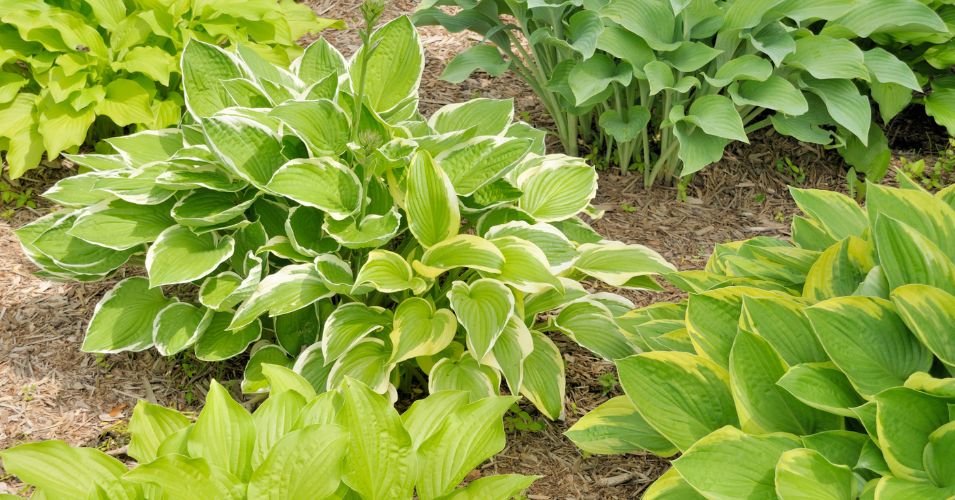
Hostas are prized for their lush foliage and ability to bring texture to garden beds. Their large leaves create a full, layered look that works beautifully in borders, foundation plantings, and landscape designs of all sizes.
The downside is that most hostas prefer shade and can struggle in areas with intense sunlight. Fortunately, several sun-loving plants offer a similar visual appeal while thriving in brighter conditions.
Whether you want bold foliage, colorful leaves, or a dense, hosta-like appearance, there are plenty of attractive alternatives that can flourish in full sun.
Why gardeners seek hosta alternatives for sunny landscapes
Hostas are often chosen because they create an immediate sense of fullness. Their broad leaves fill empty spaces, soften hard edges, and bring a tropical feel to garden beds. Even a single mature hosta can make a strong visual statement.
However, many landscapes do not offer the shade conditions that hostas prefer. New housing developments frequently have young trees that provide little protection from the sun. Some yards face south and receive sunlight for most of the day. In warmer climates, summer temperatures can be intense enough to damage even relatively sun-tolerant hosta varieties.
This is where hosta alternatives become valuable. The goal is not necessarily to find plants that look exactly like hostas. Instead, gardeners often seek plants that create a similar visual impact. Large leaves, dense growth, bold texture, and attractive foliage are usually the qualities people want to preserve.
Sun-loving alternatives can often provide additional advantages. Many require less water once established. Some offer extended bloom periods that add color throughout the season. Others maintain their appearance during heat waves when hostas might begin to show stress.
Another benefit is versatility. Hosta substitutes come in a wide range of sizes, colors, and forms. This allows gardeners to customize their landscapes while still achieving the lush appearance they admire in traditional hosta plantings.
By choosing plants adapted to brighter conditions, gardeners can enjoy beautiful foliage without constantly worrying about leaf scorch or excessive maintenance.
Daylilies and agapanthus bring the same fullness with more flowers
One of the easiest ways to recreate the look of hostas in sunny locations is by using daylilies. These dependable perennials form dense clumps of arching foliage that fill garden beds much like hostas do. Their leaves create a soft, flowing appearance that works well along borders, pathways, and foundation plantings.
The major difference is the flower display.
Daylilies produce an abundance of colorful blooms throughout the growing season. Depending on the variety, flowers may appear in shades of yellow, orange, red, pink, purple, or cream. While individual flowers last only a day, plants continuously produce new buds that keep the display going for weeks.
Their adaptability is another reason for their popularity. Daylilies tolerate a wide range of soil conditions and can thrive in full sun with relatively little care. Once established, they are surprisingly drought tolerant, making them suitable for gardeners seeking lower maintenance landscapes.
Agapanthus offers another excellent alternative. Often called lily of the Nile, this plant produces elegant clumps of strap-like foliage that resemble oversized ornamental grass. The foliage creates attractive mounds that provide structure and texture throughout the season.
During summer, tall stems emerge carrying large spherical clusters of flowers. These blooms are typically blue, purple, or white and can add dramatic vertical interest to garden beds.
Agapanthus works especially well in modern landscapes where clean lines and architectural shapes are desired. Its foliage remains attractive even when the plant is not flowering, allowing it to perform many of the same design functions as hostas.
When daylilies and agapanthus are planted together, they create a landscape that combines lush foliage with months of colorful blooms. The result is a sunny garden that feels every bit as rich and inviting as a traditional hosta bed.
Bold foliage plants that rival the dramatic look of hostas
For many gardeners, the appeal of hostas lies in their leaves rather than their flowers. If dramatic foliage is your priority, several sun-loving plants can deliver a similar effect.
Canna lilies are among the most impressive choices available. Their oversized leaves instantly create a tropical atmosphere. Depending on the variety, foliage may be bright green, deep purple, bronze, or even striped with multiple colors.
A mature canna plant commands attention from across the garden.
In addition to their striking leaves, cannas produce vibrant flowers in shades of orange, yellow, red, and pink. The combination of bold foliage and bright blooms makes them ideal focal points in sunny beds.
Bergenia is another excellent option. Its large, rounded leaves create a dense, substantial appearance that many gardeners find reminiscent of hostas. The foliage remains attractive for much of the year and often develops rich red or bronze tones during cooler months.
Spring flowers add another layer of interest, but the leaves remain the star attraction.
Ligularia is worth considering for gardeners who truly want oversized foliage. In favorable conditions, its leaves can become enormous. The plant creates a dramatic, almost jungle-like appearance that few perennials can match.
While ligularia appreciates consistent moisture, it can tolerate considerable sunlight in cooler climates. Its bold texture makes it a standout feature in any landscape.
Together, these plants prove that gardeners do not need shade to enjoy large, eye-catching foliage. Sunny gardens can be just as lush and dramatic when the right plants are selected.
Colorful foliage choices that add interest beyond green
Traditional hostas are available in various shades of green, blue, gold, and cream. Many gardeners appreciate this diversity because it adds depth and visual contrast to garden beds.
Sun-loving foliage plants can provide even greater color variety.
Heuchera, commonly known as coral bells, is one of the most versatile foliage plants available. Modern varieties feature leaves in nearly every color imaginable. Deep purple, silver, copper, lime green, peach, burgundy, and black foliage can all be found within the heuchera family.
These plants form tidy mounds that work beautifully along borders or in mixed perennial beds.
Their colorful leaves create visual interest from spring through fall, even when flowers are not present.
Some varieties produce delicate flower spikes that attract pollinators, but the foliage remains the primary attraction.
Lamb’s ear offers a completely different type of beauty. Its soft, silvery leaves create a unique texture that stands out among traditional green plants. The fuzzy foliage catches sunlight in a way that adds brightness to the landscape.
Because of its drought tolerance, lamb’s ear performs exceptionally well in hot, sunny locations where many other plants struggle.
Certain brunnera varieties can also handle brighter conditions when provided with adequate moisture. Their heart-shaped leaves often feature striking silver patterns that illuminate shaded and partially sunny spaces alike.
Using colorful foliage plants allows gardeners to create dynamic landscapes without relying entirely on flowers. The garden remains attractive for months because the leaves themselves become a major design feature.
This approach mirrors one of the reasons hostas are so popular. Beautiful foliage provides lasting interest long after flowers have faded.
Creating a hosta-inspired garden that thrives in full sun
Designing a garden with hosta-like appeal starts with understanding what makes hostas so attractive. Most gardeners are drawn to their ability to create fullness, texture, and visual balance. Fortunately, these qualities can be achieved using a combination of sun-loving plants.
Layering is one of the most effective design techniques.
Large foliage plants such as cannas and ligularia can serve as focal points. Medium-sized plants like daylilies, bergenia, and agapanthus can provide structure throughout the middle of the bed. Lower-growing options such as lamb’s ear and colorful heucheras can soften edges and create transitions between different planting areas.
Texture is equally important.
Combining broad leaves with finer foliage creates contrast that keeps the eye moving through the landscape. Ornamental grasses pair particularly well with larger foliage plants because their narrow leaves balance the bold shapes nearby.
Color should also be considered carefully.
Mixing silver, purple, green, and golden foliage creates visual depth even when flowers are absent. This approach helps ensure that the garden remains attractive throughout the entire growing season.
Water requirements should be taken into account as well. Grouping plants with similar moisture needs makes maintenance easier and promotes healthier growth.
Most importantly, do not be afraid to experiment. Some of the most beautiful gardens result from unexpected plant combinations. By mixing several hosta alternatives together, gardeners can create landscapes that feel lush, layered, and vibrant while thriving in full sun.
The popularity of hostas is unlikely to fade anytime soon, and for good reason. Their foliage provides unmatched beauty in shaded gardens. Yet sunny landscapes deserve the same sense of richness and texture. With plants such as daylilies, agapanthus, cannas, bergenia, heuchera, lamb’s ear, and ligularia, gardeners can achieve that goal without sacrificing style or visual impact.
The result is a garden that captures the spirit of hostas while embracing the power of sunshine.
Final Thoughts
Hostas may be the go-to choice for shady gardens, but they are far from the only option for creating a lush and inviting landscape. Many sun-loving plants provide the same sense of fullness, texture, and visual impact while handling bright conditions with ease.
From the flower-filled foliage of daylilies and agapanthus to the dramatic leaves of cannas and ligularia, there are plenty of ways to achieve a hosta-inspired look in sunny spaces. Adding colorful foliage plants such as heuchera or silvery options like lamb’s ear can bring even more interest to your garden throughout the growing season.
The key is choosing plants that match both your climate and design goals. With the right combination of textures, colors, and growth habits, you can create a vibrant sunny landscape that delivers all the beauty and presence gardeners love about hostas, without worrying about too much sun.