
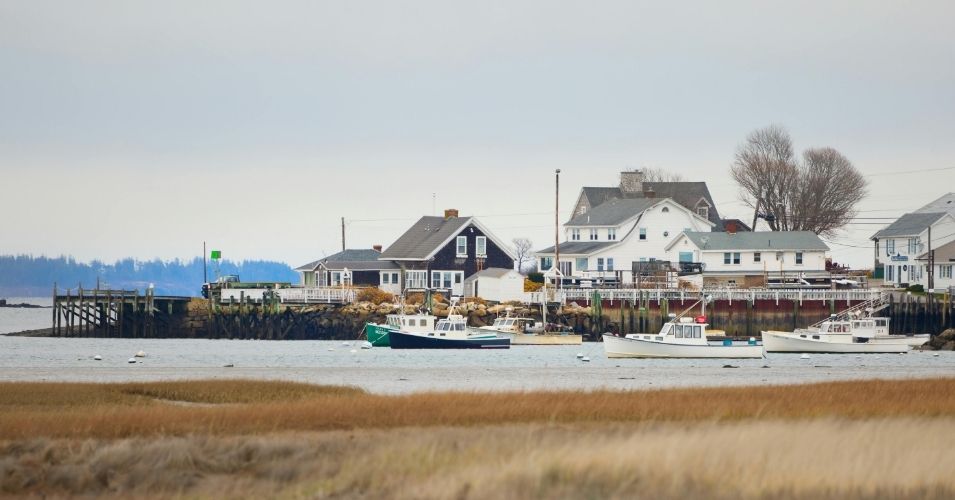
Maine attracts many retirees because of its coastal beauty, peaceful scenery, and slower pace of life. Small fishing towns, mountain views, and quiet neighborhoods can make the state feel like the perfect place to settle down after years of work.
Many people imagine relaxing summers, friendly communities, and calm evenings near the water. What often surprises newcomers is how quickly daily expenses and practical challenges begin affecting retirement comfort.
Living in Maine can become difficult for retirees dealing with rising prices, long cold seasons, expensive heating bills, and limited transportation options. In several areas, even simple errands or doctor visits require careful planning because services are spread far apart.
Retirees who depend on fixed incomes may discover that some Maine towns create financial pressure instead of peace of mind. Careful research becomes extremely important before making a permanent move.
High Living Costs Across Coastal and Rural Communities
Many retirees move to Maine expecting a slower and more affordable lifestyle, but daily expenses can quickly become overwhelming in certain parts of the state. Coastal communities often attract wealthy seasonal residents, and that demand pushes housing prices far beyond what many retirees originally expected.
In Camden, retirees are often drawn to the harbor views, walkable downtown streets, and peaceful atmosphere. The problem is that home prices, restaurant costs, and everyday services continue climbing as more vacation buyers enter the market each year.
Even simple errands can feel expensive compared to many other retirement destinations across the country. Grocery prices, maintenance costs, and property taxes slowly chip away at retirement savings over time.
Some retirees believe inland communities will automatically cost far less, but that is not always true once transportation and limited services enter the picture. Rural towns may offer cheaper homes, yet residents often drive long distances for shopping, medical appointments, and essential errands.
In Bridgton, retirees may enjoy the lakes, quiet roads, and small town atmosphere during the warmer months. After settling in permanently, many discover that fewer local services and rising costs for necessities make daily living more difficult than expected.
A fixed retirement income can feel stretched quickly when basic needs cost more than anticipated. Older homes also bring expensive repairs, especially during harsh weather seasons when roofs, heating systems, and insulation require constant attention.
Retirees looking for simplicity sometimes discover they are paying premium prices for a lifestyle that still lacks convenience. What appears peaceful during a short visit may feel financially stressful after several full winters.
The pressure becomes even greater for seniors trying to balance healthcare costs, food expenses, insurance payments, and rising utility bills all at once. Maine’s beauty can certainly attract retirees, but maintaining a comfortable lifestyle there often requires far more money than many newcomers expect.
Sky High Heating Bills During Long Winters
Winters in Maine are not simply cold for a few weeks because the season often stretches across several long months filled with snow, freezing wind, and icy temperatures. Retirees who relocate from warmer states are sometimes shocked by how much money disappears into heating costs every single winter.
In Bar Harbor, retirees may fall in love with the ocean scenery and charming coastal atmosphere during summer and autumn. Once winter arrives, however, heating large older homes near the coast can become extremely expensive due to strong winds and freezing temperatures.
Oil deliveries alone can place serious pressure on retirement budgets. Many seniors underestimate how quickly heating expenses rise when furnaces run constantly through long stretches of bitter weather.
Older homes throughout Maine frequently lack modern insulation, which creates another financial burden. Heat escapes quickly through outdated windows, aging roofs, and drafty walls, forcing residents to spend even more just to stay comfortable indoors.
In Rangeley, retirees often enjoy the mountain scenery, quiet surroundings, and outdoor recreation opportunities. The downside appears during the heart of winter when temperatures plunge for extended periods and snowstorms create nonstop heating demands.
Long winters also bring hidden costs beyond fuel bills. Snow removal, generator maintenance, winter car repairs, and frozen pipe problems can drain savings much faster than retirees expect.
Driving conditions become exhausting for many seniors as icy roads and heavy snow create stressful travel situations. Some retirees eventually feel trapped indoors for days during severe storms, especially in more remote communities where roads take longer to clear.
The emotional side of Maine winters can also become difficult over time. Dark afternoons, freezing mornings, and months of cold weather may leave retirees feeling isolated and worn down by the constant effort required just to manage everyday life.
Many people picture cozy winters beside a fireplace, but the reality often includes massive utility bills and nonstop winter maintenance. For retirees living on fixed incomes, Maine’s long heating season can easily become one of the largest financial challenges they face.
Environmental Conditions That Create Daily Challenges
Maine’s natural beauty attracts retirees who want quiet surroundings, fresh air, and peaceful scenery far from crowded cities. What many people do not realize is that the environment itself can become exhausting to manage throughout the year, especially for older adults dealing with mobility issues or health concerns.
In Ellsworth, retirees often enjoy being close to the coast while still living outside the busiest tourist areas. The changing weather patterns, however, can make everyday life unpredictable because fog, freezing rain, heavy snow, and strong coastal winds regularly disrupt routines.
Outdoor walkways often become slippery for long periods during winter and early spring. Even basic activities like collecting mail, taking out trash, or driving to the grocery store can feel stressful after repeated snowstorms and ice buildup.
Seasonal weather swings also create physical discomfort for many retirees. Damp coastal air and cold temperatures may worsen arthritis pain, breathing problems, and other health conditions that become harder to manage with age.
In Bethel, retirees are drawn to the mountain scenery, slower pace, and quieter atmosphere compared to larger towns. Long stretches of snow and difficult road conditions can leave residents feeling isolated during the harshest parts of winter.
Flooding and storm damage have also become growing concerns in parts of Maine. Heavy rain, falling tree limbs, and power outages sometimes create emergency situations that are especially difficult for seniors living alone.
Black ice becomes another serious problem because roads may appear safe while remaining dangerously slick underneath. Retirees who no longer feel confident driving in difficult weather can quickly lose access to shopping, appointments, and social activities.
Even the short growing season can frustrate retirees hoping for year round gardening or outdoor hobbies. Warm weather arrives late and disappears quickly compared to many retirement destinations in the South.
Maine certainly offers impressive scenery and peaceful landscapes, but the environmental conditions often demand more physical effort and preparation than retirees expect before moving there.
Limited Public Transportation Reduces Independence
Many retirees eventually reach a point where driving every day becomes tiring, stressful, or physically difficult. In Maine, limited public transportation creates major problems for seniors who need reliable ways to reach medical appointments, grocery stores, pharmacies, and social activities.
In Rockland, retirees may appreciate the coastal setting, local restaurants, and arts community during the warmer months. Once daily driving becomes harder, however, many residents discover that transportation alternatives remain extremely limited compared to larger retirement regions.
Bus routes often cover only small areas and operate on restricted schedules. Missing a ride may mean waiting hours or canceling important plans entirely.
Ride sharing services are also less dependable in smaller Maine towns. Some retirees find themselves relying heavily on neighbors, family members, or expensive private transportation once driving alone no longer feels safe.
In Belfast, retirees are often attracted by the slower lifestyle and charming downtown area near the waterfront. Despite the appealing atmosphere, seniors without reliable transportation may struggle to maintain independence because many essential services are spread far apart.
Simple errands can turn into complicated day long tasks. A single medical appointment may require arranging transportation far in advance, especially during winter weather when road conditions slow travel even more.
Limited transportation also affects social life. Seniors who stop driving sometimes experience loneliness because attending community events, meeting friends, or visiting nearby towns becomes increasingly difficult.
Retirees relocating from areas with stronger transit systems are often surprised by how dependent they remain on personal vehicles in Maine. The peaceful setting can feel far less relaxing when every activity requires careful planning around driving conditions and transportation availability.
Winter creates another layer of difficulty because snowstorms and icy roads occasionally interrupt already limited transit options. Older adults who cannot drive confidently during bad weather may remain stuck at home for days at a time.
For retirees hoping to age comfortably without relying completely on a car, parts of Maine can become frustrating and isolating much sooner than expected.
Heavy Tax Pressure on Retirement Budgets
Many retirees move to Maine hoping for a peaceful lifestyle where their savings can last comfortably through retirement. What surprises some newcomers is how quickly taxes and everyday fees begin reducing financial flexibility, especially for seniors living on fixed monthly incomes.
In Bath, retirees are often attracted to the historic character, waterfront setting, and slower pace compared to larger cities. After settling in, some discover that property taxes and rising living expenses place steady pressure on retirement budgets year after year.
Owning a home becomes more expensive once tax bills, insurance costs, and utility expenses are combined together. Retirees who expected a manageable budget sometimes find themselves cutting back on travel, hobbies, or dining out just to keep monthly expenses under control.
Maine also taxes portions of retirement income in ways that can frustrate seniors hoping to stretch their savings further. Pension income, retirement account withdrawals, and other forms of income may still create a noticeable tax burden depending on personal financial circumstances.
In Boothbay Harbor, retirees are often drawn to the coastal scenery, local shops, and peaceful harbor views. Seasonal popularity and rising property values can increase financial strain, especially for homeowners trying to maintain a comfortable retirement lifestyle without overspending.
Sales taxes and service costs add up faster than many retirees expect. Everyday purchases, home repairs, vehicle maintenance, and healthcare related expenses can steadily chip away at long term savings.
Older adults living alone may feel the pressure even more because there is less flexibility when handling rising annual costs. Unexpected bills often become harder to absorb after retirement income replaces regular working wages.
Some retirees eventually realize they are spending far more each year than originally planned. The combination of taxes, utilities, healthcare costs, and seasonal expenses can create ongoing financial stress instead of the peaceful retirement many imagined.
Maine remains beautiful and appealing in many ways, but retirees who overlook the long term tax burden may struggle to maintain financial comfort over time.
Final Thoughts
Maine offers beautiful scenery, charming towns, and a slower pace that attracts retirees from across the country. Beneath the postcard image, however, many communities present financial and practical challenges that become harder with age.
Long winters, expensive heating bills, limited transportation, environmental difficulties, and rising taxes can slowly reduce retirement comfort for seniors living on fixed incomes. What feels peaceful during a short vacation may become stressful after managing several years of harsh weather and growing expenses.
Retirees considering Maine should carefully research each community before making a permanent move. Finding the right balance between beauty, affordability, healthcare access, and daily convenience can make a major difference in long term happiness.