
Purple perennials have a way of making a garden feel rich, peaceful, and full of life year after year. Many of these plants return faithfully with very little effort, rewarding gardeners with colorful blooms, textured foliage, and pollinator activity that lasts through much of the growing season.
Some thrive in sunny borders while others brighten shady corners that often feel difficult to fill. Once established, many purple flowering perennials become dependable favorites that continue growing stronger with every passing season.
A garden built around long lasting perennials often feels more relaxed because the hard work happens only once. Instead of replanting every spring, you can enjoy reliable color, fuller garden beds, and blooms that return with familiar beauty each year.
Purple Flowers That Return Bigger Each Year
Many purple perennials become more impressive with time because their roots continue spreading deeper and stronger beneath the soil. Gardeners often notice fuller blooms and wider clumps after only a few growing seasons.
Russian sage is one plant that quickly creates a dramatic display once it settles into the garden. Its tall purple stems sway gently in the breeze while silver foliage adds extra contrast throughout summer.
Purple coneflowers are another dependable favorite that return with larger clusters every year. The sturdy flowers attract butterflies constantly while also standing up well to summer heat and dry conditions.
Garden beds often feel more complete once mature perennials begin filling empty spaces naturally. Instead of looking sparse, the landscape slowly develops a layered and established appearance that feels more balanced.
Many gardeners appreciate catmint because it spreads steadily without becoming difficult to control. Its soft purple blooms appear for long periods and often return again after a light trim later in the season.
A well established perennial garden often requires far less effort than flower beds filled with short lived plants. Once the roots become strong, these dependable bloomers usually handle weather changes much more easily.
Some purple perennials even improve poor looking corners that once felt dull or lifeless. Thick growth helps soften bare spaces while repeated blooms keep the area colorful for months.
Gardeners who plant long lasting varieties often find themselves dividing and sharing plants with friends after several seasons. Healthy clumps continue expanding steadily while still producing reliable flowers every year.
Lavender is especially rewarding because older plants often develop into thick mounds covered in fragrant blooms. The scent drifts through the garden during warm afternoons while pollinators remain active around the flowers.
Purple perennial gardens rarely stay the same from year to year. Instead, they slowly become fuller, richer, and far more impressive as each season passes.
Long Blooming Favorites for Sunny Gardens
Sunny gardens become far more lively when filled with purple perennials that bloom for extended periods. These dependable plants keep color in the landscape long after many spring flowers begin fading.
One of the most reliable choices for sunny areas is verbena. Its clusters of purple blooms continue appearing through much of summer while butterflies gather around the flowers almost daily.
Blanket flower pairs beautifully with purple companions because the warm tones create strong contrast beside cooler shades. When mixed together, the garden feels brighter and more energetic without appearing overwhelming.
Many gardeners rely on perennial geraniums for steady color in sunny borders. These spreading plants produce soft purple flowers over long periods while also helping fill gaps between larger perennials.
Bee balm creates another striking display in full sun gardens. Its unusual flowers add texture and movement while drawing hummingbirds that dart quickly between blooms throughout the day.
Sunny flower beds often become difficult during hot weather, especially in areas with dry summers. Fortunately, many purple perennials handle heat surprisingly well once established in the soil.
Society garlic is a favorite for gardeners who want reliable blooms with little maintenance. The tall purple flowers appear repeatedly while the narrow foliage stays attractive through much of the season.
A garden filled with long blooming perennials often feels more peaceful because color remains steady instead of disappearing after only a few weeks. Continuous blooms help outdoor spaces feel alive for much longer stretches of time.
Purple asters extend the growing season even further by flowering later in the year. Their rich color appears when many other plants begin slowing down, giving gardens fresh beauty during early fall.
Sunny pathways and borders also benefit from low growing purple perennials like creeping phlox. These spreading flowers soften hard edges while creating carpets of color that brighten the landscape dramatically.
Long blooming gardens tend to attract far more pollinators because nectar remains available across several months. Bees, butterflies, and hummingbirds continue returning as fresh flowers open again and again.
A thoughtfully planned sunny garden can provide purple color from spring until fall without requiring constant replanting. Once these dependable perennials settle in, they continue rewarding gardeners season after season.
Shade Loving Perennials With Rich Purple Color
Shady garden spaces often feel difficult to brighten, especially when many flowering plants prefer full sun. Fortunately, several purple perennials thrive in lower light while still bringing strong color and texture to the landscape.
Hostas with purple blooms are popular choices because they combine large decorative leaves with elegant flower spikes during summer. Their rich foliage helps shaded areas feel fuller even before the blooms appear.
Many gardeners also rely on lungwort to add early season color beneath trees and along woodland paths. Its spotted leaves remain attractive for months while clusters of purple flowers appear during cooler spring weather.
Dark corners of the garden often feel calmer and more inviting once layered with shade loving perennials. Purple blooms stand out beautifully against deep green foliage, creating a softer and more peaceful atmosphere.
Astilbe is another dependable favorite for shaded beds that stay slightly moist. Its feathery purple plumes rise above the foliage and add movement that catches attention without overwhelming nearby plants.
Woodland gardens benefit greatly from plants that provide long lasting texture in addition to color. Even after flowering fades, many shade perennials continue improving the appearance of the space through their leaves alone.
Coral bells offer both purple foliage and delicate blooms, making them useful through multiple seasons. Their leaves create striking contrast beside lighter green plants while the airy flowers bring extra color during warmer months.
Many gardeners appreciate how shade perennials help difficult spaces feel intentionally designed instead of forgotten. Areas beneath trees and beside fences slowly become cooler, richer, and more layered with dependable plants.
Toad lilies bring unexpected beauty late in the growing season when many shade plants begin slowing down. Their spotted purple blooms appear during late summer and early fall, adding fresh interest when color often becomes limited.
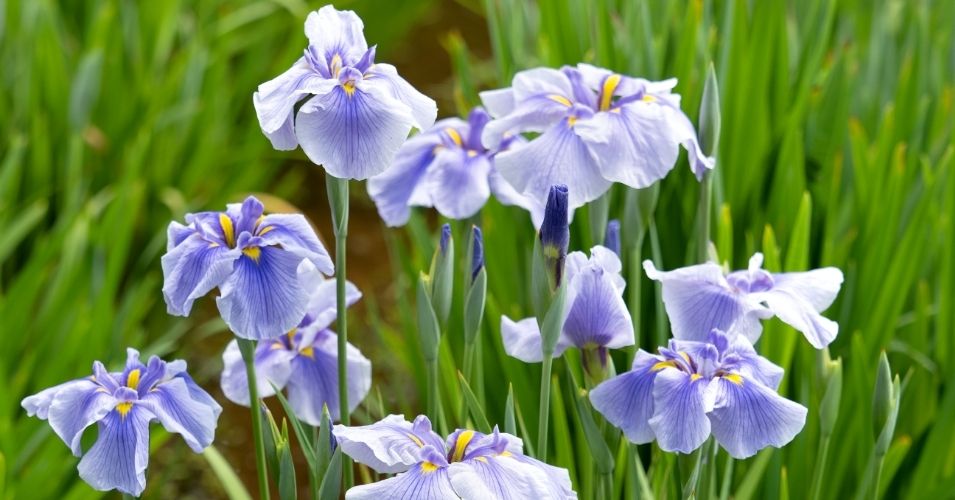
Moist shaded areas also pair beautifully with Japanese iris, which produces rich purple flowers with dramatic shape and texture. The blooms create a more elegant appearance that works especially well near water features or shaded borders.
A thoughtfully planted shade garden often becomes one of the most relaxing parts of the yard. Purple perennials help these quiet spaces feel colorful, established, and full of life without requiring constant attention.
Hardy Choices That Handle Tough Conditions
Some gardens face constant challenges from dry soil, rocky ground, heat, wind, or changing weather. Hardy purple perennials help solve many of these problems because they continue growing even when conditions become difficult.
Yarrow is one of the toughest choices for stressful garden areas. Its strong roots tolerate dry weather well while the purple flower clusters continue attracting pollinators through much of summer.
Gardeners dealing with poor soil often appreciate plants that succeed without constant feeding or watering. Hardy perennials usually become even more dependable after their first full growing season.
Baptisia is especially valuable because it develops deep roots that help it survive drought conditions with ease. Its tall purple flower spikes add structure and color while the sturdy foliage remains attractive for months afterward.
Windy gardens also benefit from resilient plants that can hold their shape during rough weather. Strong stems and compact growth habits help prevent constant damage throughout the season.
Sedum performs extremely well in hot sunny spaces where delicate flowers often struggle. Its thick leaves store moisture efficiently while purple varieties add lasting color late into the growing season.
Many hardy perennials also resist common garden pests better than softer, more delicate plants. This makes them ideal for gardeners who want beautiful flower beds without constant maintenance or chemical treatments.
Blazing star handles heat and dry conditions while still producing tall purple blooms packed with pollinator activity. Butterflies gather around the flowers constantly during peak summer months.
Rocky or uneven landscapes often become easier to manage once durable perennials begin spreading naturally. Strong root systems help stabilize soil while repeated blooms soften harsh looking areas.
Balloon flower is another reliable choice because it tolerates changing weather without losing its strong appearance. The unusual balloon shaped buds slowly open into rich purple blooms that last well into summer.
Many gardeners eventually discover that hardy perennials create less stress and more enjoyment overall. Instead of worrying about fragile plants struggling through rough conditions, they can relax and enjoy dependable color year after year.
A garden filled with resilient purple flowers often feels stronger, more natural, and easier to maintain across every season. Once established, these durable plants continue rewarding gardeners with beauty despite difficult growing conditions.
Pollinator Friendly Plants Bring Constant Garden Activity
Purple perennial gardens often become gathering places for pollinators because the bright blooms provide steady nectar across much of the growing season. Bees drift from flower to flower while butterflies flutter through the garden almost nonstop during warm afternoons.
Agastache is one of the best purple perennials for attracting hummingbirds and butterflies at the same time. Its tall flower spikes continue blooming for weeks while pollinators crowd around the blossoms from morning until evening.
Gardens filled with pollinator friendly flowers rarely feel still or empty. Constant movement among the blooms creates a lively atmosphere that changes throughout the day as different insects and birds arrive.
Joe Pye weed produces large clusters of soft purple flowers that butterflies seem to notice immediately. The tall stems add height to garden beds while creating excellent feeding spots for pollinators during late summer.
Many gardeners enjoy the relaxing feeling that comes from watching bees and butterflies move naturally through flower beds. Even a small collection of nectar rich plants can quickly increase pollinator activity around the yard.
Anise hyssop is another excellent choice because its fragrant purple blooms attract bees continuously throughout the season. The flowers remain colorful for long stretches while adding soft texture and height to sunny garden borders.
Long blooming perennials become especially important during hot weather when fewer nectar sources may be available nearby. Pollinators continue returning to gardens that provide reliable flowers through changing conditions.
Ironweed stands out with rich purple blooms that rise above surrounding plants during late summer. Butterflies gather heavily around the flowers while the tall stems create bold vertical color in the landscape.
Some pollinator gardens become active from sunrise until dusk because different species visit at different times. Bees may dominate the morning hours while butterflies and hummingbirds appear more often later in the day.
Meadow rue brings a lighter and more delicate look to pollinator gardens while still helping attract beneficial insects. Its airy purple blooms float above the foliage and create gentle movement whenever the breeze passes through.
A perennial garden designed for pollinators often feels healthier and more connected to nature overall. The steady activity around purple blooms brings sound, motion, and life that make outdoor spaces feel far more welcoming.
Final Thoughts
Purple perennials offer far more than simple color because they continue improving the garden year after year with very little effort. Once established, many of these plants grow larger, bloom longer, and create fuller landscapes that feel more complete with each passing season.
These plants provide dependable beauty while also attracting pollinators that keep gardens lively and active. Their reliable nature makes them ideal for gardeners who want lasting results without constant replanting.
A thoughtfully planned perennial garden becomes easier to maintain over time while still delivering fresh color every season. By planting hardy purple flowers once, you can enjoy years of texture, movement, fragrance, and beauty throughout the landscape.