
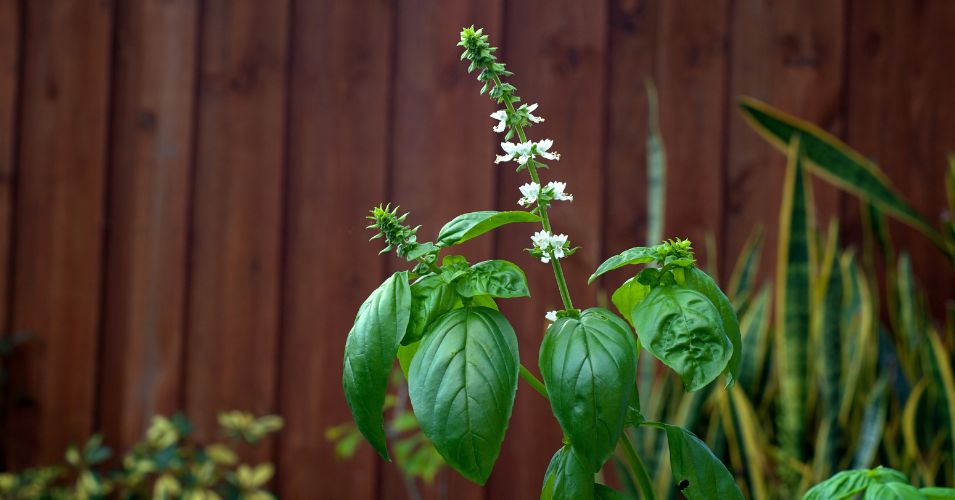
Basil is one of the most popular herbs grown in home gardens around the world. It is fragrant, flavorful, and easy to grow. Whether you are planting it in the ground or keeping it in a sunny kitchen window, basil rewards you with bright green leaves that bring life to pastas, salads, and soups.
But if you have ever grown basil, you have probably noticed small flower buds forming at the top.
This often raises a question for gardeners of all levels: should you let your basil plant flower, or should you pinch those blooms off right away?
The answer depends on what you want from your plant. Let’s explore the reasons behind each choice so you can decide what is best for your basil and your goals.
What Happens When Basil Starts Flowering
As basil matures, it naturally begins to produce flowers. This is part of its normal life cycle.
When a basil plant gets tall enough and senses that it has reached maturity, it shifts from focusing on leaf growth to preparing for reproduction. It forms flower buds at the tips of its stems. These buds then bloom into small white or purple flowers, depending on the variety.
As lovely as those flowers may seem, their arrival usually signals a change in the plant’s energy. Once flowering begins, basil puts less effort into producing leaves. The leaves that do grow may become smaller, tougher, or even start to taste slightly bitter.
This shift is natural, but it is not always ideal if your main goal is to harvest large amounts of fresh, sweet basil leaves.
Once flowering has begun, the plant is also one step closer to the end of its life. Basil is typically an annual, which means it completes its entire life cycle in one growing season. After flowering and producing seeds, it will begin to slow down and eventually die back.
Reasons to Prevent Flowers from Forming
If you are growing basil mainly for culinary use, it is usually best to prevent flowering for as long as possible.
When you remove the flower buds early, you are telling the plant to keep focusing on leaf production. This helps the basil stay bushy, green, and full of tender, flavorful leaves. It also delays the plant’s natural aging process, which can give you a longer harvest window.
Pinching off the flower buds is easy. Just use your fingers to gently remove the tip of each stem when you see buds forming. This small act can encourage the plant to branch out, producing more side shoots and new leaves.
If you keep up with regular pruning, your basil plant will grow more compact and lush. It becomes fuller, rather than tall and leggy, and continues producing leaves over a longer period.
For home cooks who love fresh basil in the kitchen, this approach keeps your herb garden productive and flavorful throughout the season.
When Letting Basil Flower Can Be a Good Thing
Even though flowering reduces the number of new leaves, there are times when letting basil bloom is a smart and even rewarding decision.
If you are growing basil for pollinators, the flowers are an excellent source of nectar. Bees, butterflies, and other beneficial insects love basil blooms. In a pollinator garden, allowing basil to flower can support local wildlife and improve the health of your entire garden.
Flowering also allows the plant to produce seeds. If you are interested in saving seeds to plant next year, you will need to let some of your basil plants go through their full cycle. Once the flowers dry out, they will form small seed pods that can be collected and stored.
Some gardeners simply enjoy the look of basil flowers. They add a touch of charm to herb beds, pots, or mixed containers. Purple basil varieties, in particular, have striking blooms that stand out in a garden.
In short, letting basil flower is not a mistake if you have a specific reason. It is a personal choice that depends on how you want to use the plant.
How Flowering Affects Leaf Flavor and Texture
One of the most noticeable changes after basil begins to flower is the flavor of the leaves.
Before flowering, basil leaves are soft, sweet, and full of oils that give them their signature aroma and taste. But once flowers appear, the plant starts redirecting its energy. The essential oils shift, and the leaves may begin to taste more bitter or pungent.
The texture can also change. Leaves might become smaller or tougher, with a coarser feel on the tongue. These changes are not always dramatic, but for recipes that rely on delicate basil flavor, they can be disappointing.
If you are using basil for fresh dishes like pesto, bruschetta, or caprese salad, you will want the best flavor possible. In that case, keeping the plant from flowering ensures that your leaves stay tender and tasty.
For cooked dishes, where the flavor blends with other ingredients, the difference might not matter as much. But even then, most gardeners prefer to harvest basil before flowering to get the most from their crop.
How to Keep Basil from Flowering Too Early
Basil does not need much encouragement to grow well, but there are a few tricks to delay flowering and extend your harvest.
First, make a habit of pinching the growing tips. Every time you remove the top few inches of a stem, the plant will respond by growing new side branches. This slows down the vertical growth that leads to early flowering.
Try to pick basil regularly. Harvesting often sends a signal to the plant that it is still growing and not yet ready to reproduce. The more you harvest, the longer it takes to flower.
Keep your basil in full sun, but make sure it stays well-watered. Heat stress or dry soil can trigger early flowering as the plant shifts into survival mode. Moist, rich soil and consistent watering help keep basil focused on leaf production.
Use fertilizer sparingly. Too much nitrogen can cause the plant to grow quickly and bolt, especially in hot weather. A balanced or slightly low-nitrogen mix keeps growth steady and controlled.
With a little attention, you can keep basil from blooming too soon and enjoy fresh leaves for weeks or even months.
What to Do After Basil Has Already Flowered
If your basil has already started to flower, do not panic. There are still steps you can take to make the most of the plant.
Begin by removing the flower stalks. Pinch or cut them back just above a leaf node to encourage new growth. If it is early enough in the season, your basil may respond with fresh shoots and give you more harvests before the weather changes.
You can also harvest and use the flowers. Basil blossoms are edible and have a mild flavor similar to the leaves. They make a pretty garnish on salads, pasta, or infused in vinegar and oils.
If you want to save seeds, let the flowers continue to mature. Once they fade and dry out, you can gently shake the seed heads or open them to collect the small black seeds inside. Dry them completely and store them in a cool, dry place for planting next season.
In some cases, a flowering basil plant may slow down no matter what you do. At that point, you can either enjoy it as a decorative plant, let it support pollinators, or start a new one from seed or cuttings.
Even a flowering basil still has something to offer.
Growing New Plants for a Fresh Start
If your basil is beyond recovery and the leaves have lost their flavor, starting fresh is a great option.
You can plant new basil from seed, or even grow new plants from cuttings. Basil roots easily in water.
Just cut a few healthy stems, remove the lower leaves, and place them in a glass of water. After a week or two, you will see roots form at the base.
Once the roots are a few inches long, plant the cutting in fresh soil and keep it moist. With enough sunlight, it will quickly grow into a new, productive basil plant.
This method allows you to have a constant rotation of fresh basil throughout the season. While one plant flowers, another is just beginning to grow. It is a simple way to keep your kitchen stocked with fresh herbs all summer long.
Starting new plants is also helpful if you rely on basil for cooking and need a steady supply of fresh, flavorful leaves.
Final Thoughts
Letting basil flower is not always a mistake, but it depends on your goal. If you want tender leaves with bold flavor, it is best to pinch off those flowers and keep the plant focused on growth.
If you want to support pollinators, save seeds, or simply enjoy the beauty of blooming basil, allowing the flowers to develop can be a smart and satisfying choice.
Understanding what your plant is doing and why gives you the freedom to make the best decision for your garden and your kitchen.
Whether you choose to snip or let it bloom, basil will reward your care with flavor, beauty, or both.