
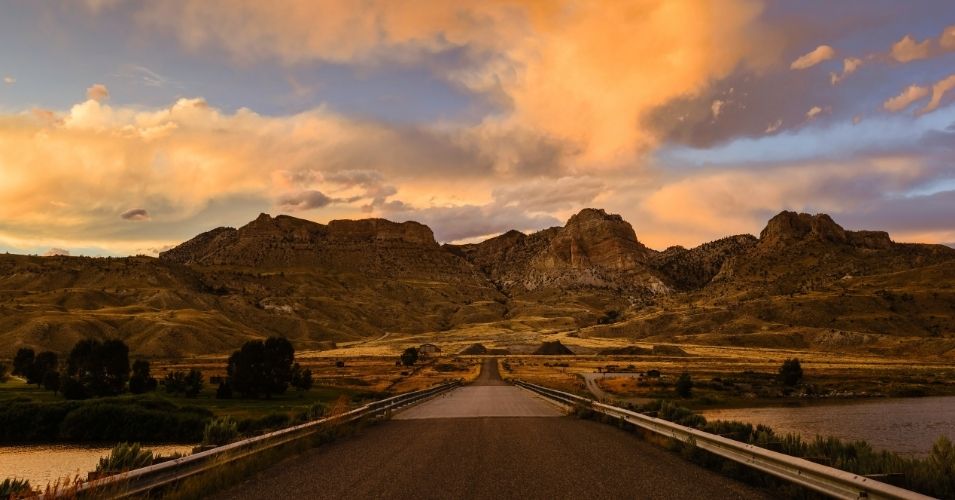
Wyoming attracts many retirees with its mountain views, quiet highways, and slower pace of life, but living there year round can become more difficult than many people expect. Seniors who need dependable healthcare, convenient transportation, and easy access to airports often discover that Wyoming demands far more planning and travel than other retirement destinations.
Strong winds, rising housing prices, and long distances between towns can also make everyday life exhausting over time. Some retirees eventually realize the isolation feels less relaxing and more frustrating as the years pass.
Before choosing Wyoming for retirement, it helps to understand the practical realities many seniors face after settling there permanently.
Specialist Shortages Leave Seniors Traveling Far
Retirement becomes far more complicated when advanced medical care is difficult to access. Many seniors move to Wyoming expecting quiet living and beautiful scenery, but healthcare limitations can slowly become one of the biggest frustrations after settling there permanently. Basic appointments may not seem like a problem at first, yet specialized treatment often tells a very different story.
In Sheridan, retirees are drawn to the peaceful atmosphere and slower pace of life. The town feels comfortable for people hoping to escape heavy traffic and crowded suburbs. Over time, however, some seniors discover that finding nearby specialists for ongoing conditions is much harder than expected.
Heart care, orthopedic treatment, neurological evaluations, and advanced testing frequently require long drives outside the immediate region. Older adults managing chronic conditions may spend entire days arranging travel, attending appointments, and returning home exhausted.
This becomes especially difficult during Wyoming winters. Snow packed roads and dangerous wind conditions can make medical trips stressful even for healthy drivers. For retirees already coping with pain, fatigue, or mobility limitations, those journeys can become physically draining.
Another issue many seniors notice involves appointment delays. Healthcare worker shortages continue affecting smaller communities across the state, leaving retirees with fewer provider options. Some patients wait weeks for consultations or follow up care that would happen much faster in larger metropolitan retirement areas.
Medical travel also creates emotional pressure for families. Adult children helping aging parents may need to take time away from work just to assist with transportation or recovery appointments. Retirement starts feeling less relaxing when healthcare planning becomes part of everyday life.
Several paragraphs later, retirees in Cody often face similar concerns despite the area’s strong appeal and beautiful surroundings. Many people initially love the mountain views and outdoor lifestyle, but specialist access remains limited compared to larger retirement destinations. Seniors requiring ongoing treatment may eventually realize they are spending more time on highways than enjoying the retirement lifestyle they originally imagined.
For many older adults, reliable healthcare access becomes more important every year. In parts of Wyoming, the long distance between retirees and specialized medical services can slowly reduce comfort, confidence, and peace of mind.
Transportation Problems Reduce Everyday Convenience
Many retirees underestimate how exhausting transportation can become in a large rural state. Wyoming’s open landscapes may feel peaceful during vacations, but everyday life often requires long drives for even the most routine tasks. Grocery stores, pharmacies, restaurants, and medical services are frequently spread far apart.
Retirees living in Lander often appreciate the slower atmosphere and beautiful scenery during their first years there. The town offers a quiet environment that feels very different from crowded retirement hubs in larger states. Still, daily errands can become time consuming because essential services are not always close together.
Long stretches of highway driving may not seem difficult at first. As retirees grow older, however, spending large amounts of time behind the wheel becomes less appealing and sometimes unsafe. Vision changes, mobility problems, and slower reaction times can turn ordinary drives into stressful experiences.
Winter weather creates another major challenge across Wyoming communities. Ice covered roads, blowing snow, and poor visibility can make travel dangerous for older adults who simply want to pick up groceries or attend appointments. Some retirees begin limiting trips during colder months, which can lead to isolation and frustration.
Public transportation options remain limited in many areas. Seniors hoping to rely on buses, ride services, or walkable neighborhoods often realize those conveniences are not widely available. Once driving becomes difficult, maintaining independence may suddenly feel much harder than expected.
Transportation costs also continue rising over time. Fuel, tire replacements, vehicle repairs, and weather related maintenance place additional strain on retirees living on fixed incomes. What initially seemed like affordable living can become more expensive after years of constant driving.
Far later in the section, retirees in Buffalo may experience many of the same frustrations. While the community offers charm and a quieter lifestyle, everyday convenience still depends heavily on reliable personal transportation. Seniors who prefer nearby shopping, quick errands, and easier access to services may eventually feel worn down by the amount of driving required simply to maintain normal routines.
For retirees hoping for simplicity and convenience, Wyoming’s transportation realities can slowly turn peaceful living into a much more demanding lifestyle than expected.
Housing Prices Continue Rising Across Smaller Communities
Many retirees assume Wyoming will automatically offer affordable living because of its rural image and smaller population. Unfortunately, housing prices in several communities have continued climbing, creating financial pressure for seniors hoping to stretch retirement savings comfortably over many years. What once seemed like a low cost destination no longer feels as budget friendly for many older adults.
In Powell, retirees are sometimes surprised by how competitive the housing market has become. Smaller inventory and growing interest from out of state buyers have pushed prices upward, especially for homes in quiet neighborhoods with mountain views or easy access to healthcare and shopping. Seniors looking for modest retirement homes may discover fewer affordable options than expected.
Property expenses extend far beyond the purchase price itself. Heating costs, insurance, repairs, and seasonal maintenance can quickly add to monthly financial pressure. Retirees living on fixed incomes often feel uncomfortable watching everyday housing expenses continue rising year after year.
Some older adults also underestimate the challenge of maintaining homes in Wyoming’s harsh climate. Snow removal, roof repairs, frozen pipes, and weather related upkeep can become exhausting both physically and financially. Retirement becomes less relaxing when home maintenance starts feeling constant.
The lack of available housing in certain communities also limits flexibility for retirees hoping to downsize later. Seniors may struggle to find smaller homes, retirement friendly neighborhoods, or single level properties designed for aging comfortably. Limited choices can leave retirees feeling stuck in homes that no longer suit their needs.
Rental markets are not always much easier either. Monthly rent prices in desirable communities have increased steadily, placing additional strain on seniors who prefer not to own property during retirement. Waiting lists for affordable senior housing may also create frustration and uncertainty.
Further across the state, retirees considering Douglas may encounter similar financial concerns. While the town still attracts people seeking quieter retirement living, housing affordability has become less predictable than many newcomers expect. Rising prices combined with ongoing maintenance costs can slowly reduce the financial security retirees worked decades to build.
For seniors hoping to enjoy a stable and affordable retirement, Wyoming’s changing housing market may create more long term stress than anticipated.
Wyoming Winds Create Constant Outdoor Frustration
Wyoming’s scenery attracts many retirees searching for open landscapes and fresh mountain air, but the state’s powerful winds often become one of the most frustrating parts of daily life. Visitors may not notice the problem during short trips, yet living with constant wind year round can wear people down physically and emotionally over time.
In Casper, retirees frequently deal with days where strong gusts make simple outdoor activities unpleasant. Walking through parking lots, carrying groceries, or spending time outside can quickly become exhausting when heavy winds hit without warning. Seniors who enjoy gardening, relaxing outdoors, or taking daily walks may find themselves staying inside far more often than expected.
The wind also affects driving conditions throughout many parts of the state. Sudden gusts can make highways stressful, especially for older adults driving larger vehicles or traveling long distances between towns. During certain seasons, retirees may feel nervous simply running errands because weather conditions change so quickly.
Outdoor social activities become harder to enjoy when strong winds remain constant. Patio dinners, neighborhood gatherings, and peaceful afternoons outside may lose their appeal after repeated days of dust, noise, and cold gusts pushing people back indoors. Retirement often feels less relaxing when spending time outside becomes uncomfortable so frequently.
The emotional effect should not be ignored either. Constant wind noise can slowly become irritating for retirees hoping for a quieter lifestyle. Some seniors describe feeling restless or drained after months of hearing heavy gusts rattle windows, fences, and rooftops day after day.
Strong winds also increase home maintenance concerns. Loose shingles, damaged fences, broken tree branches, and dust buildup create additional work that retirees may not anticipate before moving to Wyoming. Outdoor furniture and decorations often require constant securing or replacement.
Much later, retirees settling in Worland may encounter many of the same frustrations. While the area offers scenic beauty and a slower pace, the persistent wind can slowly limit outdoor comfort and reduce enjoyment of everyday retirement activities.
For seniors dreaming about peaceful afternoons outside, Wyoming’s relentless wind patterns may become far more exhausting than expected over the long term.
Airport Travel Becomes Expensive and Time Consuming
Many retirees underestimate how difficult air travel can become while living in Wyoming. The state’s smaller population and remote geography often mean fewer direct flights, longer travel days, and higher ticket prices compared to larger retirement destinations. Seniors who hope to visit family regularly may become frustrated by how complicated routine travel feels over time.
In Gillette, retirees may appreciate the quieter lifestyle and slower pace, but reaching major airports can require careful planning and significant driving. Limited flight schedules sometimes force travelers to stay overnight in larger cities or deal with multiple layovers before reaching their final destination. What should feel like a simple trip can quickly turn exhausting.
Flight costs also tend to rise because of limited airline competition. Retirees traveling during holidays, medical emergencies, or family events may find themselves paying far more than expected for tickets. Seniors living on fixed incomes can feel pressured when travel expenses suddenly consume large portions of monthly budgets.
Weather disruptions create another layer of frustration throughout the year. Snowstorms, strong winds, and icy conditions occasionally delay flights or make airport travel stressful. Retirees may spend long hours waiting for updates or adjusting travel plans after cancellations. For older adults, repeated disruptions can become physically tiring very quickly.
Traveling to larger airports often adds several extra hours to each trip. Some retirees eventually avoid flying altogether because the effort required simply feels overwhelming after a certain age. Visiting grandchildren, attending weddings, or handling family emergencies becomes more complicated than many people originally expected.
Another issue involves medical travel. Seniors needing specialized healthcare outside Wyoming may face repeated airport trips for treatment or procedures. Constant flight planning combined with transportation expenses can slowly become emotionally exhausting.
Much later, retirees living near Evanston may encounter many of the same concerns despite the area’s attractive scenery and quieter lifestyle. Limited airport access and expensive regional flights can make retirees feel disconnected from distant family members and major travel hubs.
For seniors hoping to enjoy easy retirement travel, Wyoming’s remote location and limited air service may create far more inconvenience and financial strain than expected.
Final Thoughts
Wyoming certainly offers beautiful scenery, peaceful landscapes, and a slower pace of life that attracts many retirees searching for quiet surroundings. Still, daily reality can feel far different after living there year round. Long distances, healthcare shortages, rising housing expenses, strong winds, and difficult travel conditions often create frustrations many seniors do not anticipate during short visits.
Retirement should feel comfortable and manageable, especially later in life when convenience and dependable services become more important. Some Wyoming communities provide charm and natural beauty, but retirees should carefully weigh the practical challenges before making a permanent move.
Understanding these concerns ahead of time can help seniors choose a retirement destination that better supports long term comfort, independence, and peace of mind.