
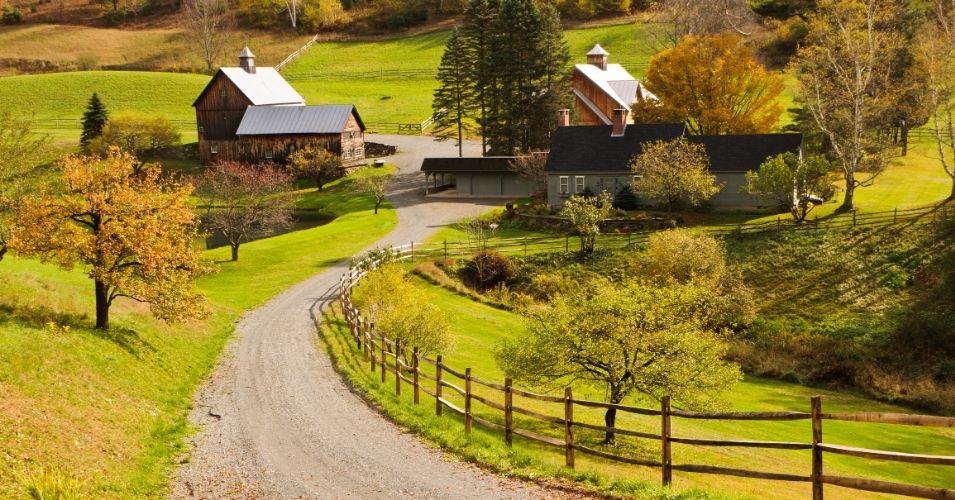
Retirement in Vermont often looks peaceful in travel magazines because the state offers beautiful mountain views, quiet villages, and colorful autumn scenery. Many retirees imagine cozy small towns, calm roads, and a slower lifestyle far away from crowded cities.
Life in Vermont can become much more difficult once everyday realities begin to affect daily comfort and financial stability. Housing shortages, high living expenses, long muddy seasons, and limited amenities often surprise retirees who expected a simple and affordable retirement.
Some communities across Vermont remain attractive for vacations, but permanent retirement living can feel far less relaxing over time. Rising maintenance costs, difficult weather conditions, and limited conveniences create challenges many retirees do not expect before moving there.
Housing Shortages Driving Up Everyday Costs
Many retirees move to Vermont expecting smaller towns to provide affordable homes and quieter lifestyles, but the housing market often creates the opposite experience. Limited inventory has pushed prices upward in many parts of the state, especially in communities where retirees commonly search for peaceful living.
In Brattleboro, older homes are frequently purchased quickly, leaving retirees competing against younger families, remote workers, and vacation property buyers. This pressure can force seniors to settle for houses needing expensive repairs or upgrades.
Retirees hoping to rent before buying often face another major problem because available apartments remain extremely limited. Waiting lists can stretch for months while monthly rents continue rising faster than many retirement incomes.
Property taxes and heating expenses make the situation even harder for retirees living on fixed budgets. A house that first appears affordable can quickly become financially stressful once yearly expenses begin adding up.
Some retirees arrive expecting small Vermont towns to offer simple country living at lower prices compared to larger states. Instead, they discover a shortage of dependable housing combined with increasing demand from newcomers entering the market every year.
In Manchester, attractive scenery and strong tourism activity have encouraged more second home ownership, reducing the number of full time housing options available to retirees. Seniors searching for modest homes often find themselves priced out of neighborhoods they originally considered manageable.
The shortage also affects retirement flexibility because downsizing becomes far more difficult than expected. Selling a larger home elsewhere does not always guarantee an easy transition into Vermont’s competitive market.
Older properties across the state frequently require roof repairs, insulation improvements, plumbing updates, or heating system replacements. Those added costs can quickly consume savings retirees hoped to preserve for travel, healthcare, or everyday comfort.
Many retirees eventually realize the housing shortage affects nearly every part of daily life, from monthly budgets to long term financial stability. What begins as a dream of peaceful retirement living can slowly become a constant struggle to keep up with rising housing expenses.
Mud Season Creates Months of Frustration
Winter in Vermont receives most of the attention, but many retirees discover another difficult season that locals know very well. Mud season arrives after the snow begins melting, creating weeks of wet roads, deep ruts, slippery driveways, and exhausting cleanup.
In Woodstock, melting snow often leaves rural roads soft and uneven for long stretches during late winter and early spring. Even short drives can become frustrating when potholes grow larger and muddy surfaces make travel unpredictable.
Retirees who enjoy daily walks or outdoor activities may feel trapped indoors more often than expected during this time of year. Yards remain soaked, trails become difficult to navigate, and simple errands can turn into messy experiences.
Mud season also creates major stress for homeowners trying to protect their properties from moisture damage. Water collects around foundations while mud gets tracked constantly through entryways, garages, and vehicles.
For retirees with mobility concerns, slippery conditions increase the risk of falls and injuries. Steep driveways and uneven walkways become especially dangerous once melting snow combines with freezing nighttime temperatures.
In Middlebury, retirees sometimes discover that rural roads remain muddy long after they expected spring weather to arrive. The constant freeze and thaw cycle can make driving stressful for seniors uncomfortable with rough road conditions.
Vehicles also take extra wear during these months because potholes, standing water, and muddy roads place more strain on tires and suspension systems. Repair bills can rise quickly after one difficult season.
The emotional effect of mud season surprises many newcomers as well. Gray skies, dirty roads, and weeks of damp conditions can make retirement feel less relaxing than originally imagined.
Some retirees expect spring in Vermont to arrive with warm sunshine and blooming landscapes, but the transition often feels slow and exhausting instead. Long periods of mud and wet weather can make daily routines feel frustrating long before summer finally appears.
For retirees hoping for simple outdoor living and stress free travel, mud season often becomes one of the most unpleasant parts of settling permanently in Vermont.
Home Maintenance Becomes Constant Work
Many retirees move to Vermont dreaming about quiet homes surrounded by forests, mountains, and peaceful scenery. What they often do not expect is how much constant upkeep these properties require throughout the year.
In Stowe, heavy snowfall, freezing temperatures, and seasonal moisture can slowly wear down homes much faster than retirees anticipated. Roofs, gutters, driveways, and heating systems often demand regular attention just to keep the property functioning safely.
Older Vermont homes may look charming from the outside, but many come with hidden repair needs that become expensive over time. Drafty windows, aging pipes, outdated insulation, and worn heating equipment can quickly turn into major financial burdens.
Winter weather creates some of the biggest maintenance headaches for retirees living alone. Snow removal becomes physically exhausting, especially for seniors dealing with mobility issues or health concerns.
Even retirees who hire help may struggle because maintenance services can be expensive and difficult to schedule during busy seasons. Waiting days for plowing, repairs, or heating assistance becomes stressful during harsh weather.
In Bennington, rural properties often require extra attention because changing weather conditions create constant wear on roads, walkways, and outdoor structures. Retirees hoping for low effort living may feel overwhelmed by how often something needs repair or maintenance.
Power outages during storms create another layer of difficulty for older residents. Losing heat or electricity for long periods can become dangerous during cold Vermont winters.
Yard work also becomes far more demanding than many newcomers expect. Fallen branches, muddy ground, leaf cleanup, and long driveways create ongoing physical labor across multiple seasons.
Many retirees eventually realize their dream home requires far more time, energy, and money than expected. Instead of enjoying a relaxed retirement, they spend much of their time coordinating repairs, handling outdoor work, or worrying about the next expensive maintenance problem.
For seniors hoping to simplify life after retirement, the nonstop responsibilities tied to home ownership in Vermont can become emotionally and financially draining.
Limited Amenities Reduce Retirement Comfort
Retirees often search for peaceful towns with slower lifestyles, but some Vermont communities can feel too isolated once everyday needs become harder to reach. Limited amenities create frustrations that slowly affect comfort, convenience, and independence.
In Rutland, retirees may notice fewer entertainment options, shopping centers, and specialized medical services compared to larger retirement destinations in other states. Everyday errands can require longer drives than many seniors expected.
Small towns may offer beautiful scenery, but they often lack the conveniences retirees rely on as they grow older. Access to pharmacies, restaurants, public transportation, and recreational activities can feel surprisingly limited.
Many retirees also miss having nearby options for social activities or community events. Isolation becomes more noticeable during long winters when travel feels difficult and outdoor gatherings become less common.
Grocery shopping may also become inconvenient in more rural parts of the state. Some retirees find themselves driving long distances simply to reach larger stores with better selections and lower prices.
In Montpelier, retirees sometimes discover that smaller populations limit the number of businesses available year round. Certain services close early, operate seasonally, or remain unavailable altogether.
Dining options can feel repetitive after living in the area for several years. Seniors who enjoy cultural events, shopping districts, or varied entertainment may eventually feel bored or disconnected.
Internet and transportation limitations also affect daily comfort in some areas. Slower services and fewer travel options can make retirees feel cut off from family, healthcare resources, and larger nearby communities.
The lack of nearby conveniences becomes especially difficult during emergencies or poor weather conditions. A simple appointment or shopping trip may require far more planning than retirees originally expected.
Many seniors initially accept these tradeoffs because they value peace and quiet, but daily frustrations can slowly outweigh the charm of small town living. Over time, limited amenities often reduce the comfort and flexibility retirees hoped to enjoy during this stage of life.
Rising Living Costs Hurt Fixed Incomes
Many retirees move to Vermont expecting a slower and simpler lifestyle, but everyday expenses often become far more difficult to manage than anticipated. Fixed retirement incomes can feel stretched very quickly once housing, utilities, food, and healthcare costs begin rising together.
In Burlington, retirees frequently face higher prices for groceries, dining, transportation, and property taxes compared to what they expected from a smaller New England state. Even basic errands can become noticeably more expensive over time.
Heating costs create one of the biggest financial pressures during Vermont winters. Long cold seasons force retirees to spend heavily on fuel, electricity, or wood heating for several months every year.
Healthcare expenses also continue climbing, especially for retirees needing regular appointments, medications, or specialist visits. Travel costs add even more strain when services are located farther away from smaller communities.
Insurance rates can surprise retirees as well. Homeowners insurance, vehicle repairs, and winter related property damage often increase yearly expenses beyond what many seniors originally budgeted for retirement.
In Shelburne, retirees may discover that peaceful surroundings and attractive neighborhoods come with steadily rising costs tied to property ownership and local services. Living comfortably in these areas can require far more income than many retirees expected.
Food prices in Vermont often run higher because many products must travel long distances before reaching local stores. Seniors living on limited budgets may find it difficult to balance healthy eating with rising grocery bills.
Entertainment and travel also become harder to enjoy once essential expenses consume larger portions of retirement savings. Many retirees slowly reduce hobbies, dining outings, or visits with family simply to control spending.
The financial pressure can feel especially discouraging for retirees who moved to Vermont hoping to escape crowded and expensive areas elsewhere in the country. Instead of gaining peace of mind, they sometimes face constant concerns about keeping up with everyday bills.
Over time, rising living costs can turn retirement into a period focused more on financial survival than relaxation. What first seemed like an ideal place for a quiet retirement may eventually feel too expensive to comfortably maintain.
Final Thoughts
Vermont offers natural beauty, peaceful scenery, and charming small towns that continue attracting retirees searching for a slower pace of life. The reality of daily living, however, often becomes far more difficult than many newcomers expect.
Housing shortages, rising expenses, muddy seasonal conditions, and constant property upkeep can slowly create financial and physical stress for older residents. Limited amenities and long travel distances may also reduce comfort and independence over time.
For retirees living on fixed incomes, careful research becomes extremely important before making a permanent move to Vermont. A peaceful retirement depends not only on beautiful surroundings, but also on affordability, convenience, healthcare access, and long term stability.